


August, 2024
8 mins read
Cinema is in our DNA, And Innovation is Driving its Future!
 30 Aug 2024
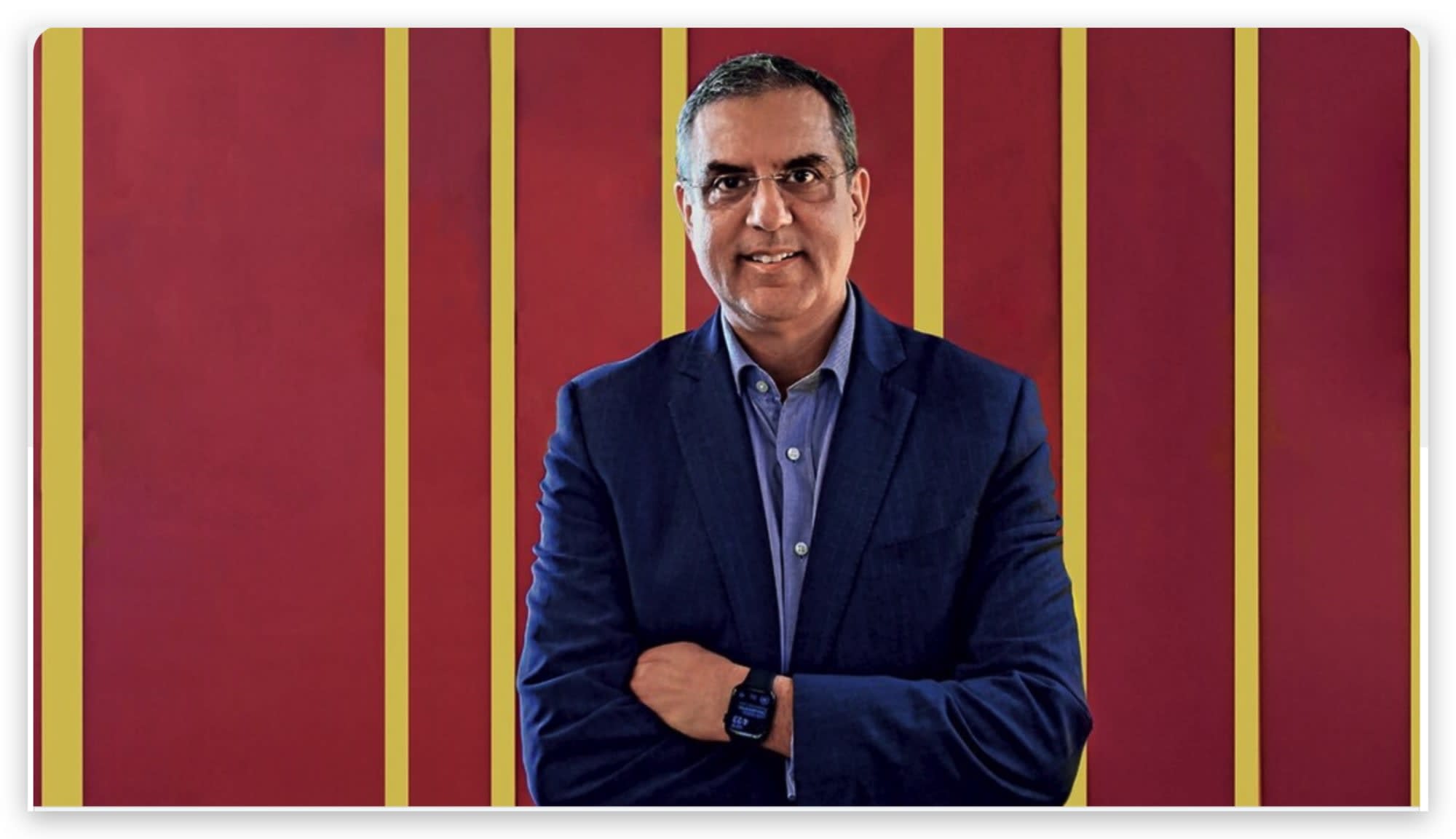
Alok Tandon, Strategic Business Advisor to the MD & ED at PVR INOX Ltd and former CEO of INOX, has played a pivotal role in steering INOX from a fledgling start-up to a leading multiplex chain. With nearly three and a half decades of experience across entertainment, hospitality, and pharmaceuticals, Tandon discusses the evolution of INOX, the impact of the PVR merger, and the industry’s recovery post-Covid. In this interview with Gannu Murali Krishna, he delves into how AI, data-driven strategies, and new ventures, including food courts, are shaping the future of cinema amidst the rise of OTT platforms.
Having been with INOX since its inception and overseeing its growth from a start-up to a listed entity, including the merger with PVR, what were the key changes and challenges during this transformation, and what specific challenges arose during the M&A process?
Well, let me tell you that in 2001 when I joined the company, we had zero screens. Naturally, with zero screens, you have zero revenues. However, we did have significant overheads, including staff and departments, so we worked frugally. One advantage was that we all shared a clear vision: INOX had to become a name to reckon with, the first brand of choice for patrons coming to watch a movie. In the beginning, there were very few malls in the country. If I remember correctly, there were only three malls: Crossroads in Mumbai, Ansal Plaza in Delhi, and Spencer’s in Chennai. At INOX, we took on the role of developers, purchased land in Pune and Baroda and constructed two malls. These malls featured food, retail, and a multiplex because we knew the future lay in providing all three under one roof. A place where people could watch movies, shop and dine, spend quality time with their families, enjoy and come back. It was a well-considered decision to create what was referred to as a mall at that time. When professional developers began building malls, we realised our core competency was in operating cinemas, not constructing them.
We saw early challenges as opportunities to change how movies were experienced in India and to showcase films as directors intended.
So, the first challenge initially was securing good properties, and the second was negotiating favourable rentals, both of which we achieved. Developers recognised that we attracted thousands of visitors daily. We saw these challenges as opportunities — opportunities to change the way people watched movies in the country and to showcase films as directors intended. Regarding the merger, I believe it went very smoothly. This was thanks to the leadership of both companies, PVR and INOX, who ensured that everyone received due recognition. The best person was chosen for each role to guarantee a seamless process and the smooth running of the company. Mergers are more about people than systems.
In 2001, when I joined INOX, we had zero screens and zero revenues, but a clear vision to become the top cinema brand in the country
Covid-19 hit many sectors hard, especially the entertainment industry. What post-Covid challenges is the entertainment industry, particularly the multiplex sector, currently facing?
Initially, there was a lot of apprehension about people returning to cinemas during or just after Covid-19. We were low on vaccines and content, and high on apprehension. However, once the vaccine became widely available, the situation changed. We became high
on vaccination, high on content, and low on apprehension. The challenge was to ensure the vaccine rollout was successful and for the government to allow us to operate our cinemas at full capacity. Cinemas were shut down, and when they did reopen, it was under the 50 per cent capacity rule. We engaged with various state and central governments, providing recommendations on measures to prevent the spread of Covid-19 in cinema halls. We implemented safety measures, including regular disinfection, applying antimicrobial film on surfaces, and enforcing alternate seating arrangements. We also made sure to communicate these steps to our guests. Even during the periods with no shows, we maintained direct communication with our audience to assure them that we were fully prepared to welcome them back safely.
Given your experience in the hospitality and pharmaceutical industries, what valuable lessons from these sectors have you applied in the multiplex industry?
In pharmaceuticals, I learned everything has to be spotless. There can’t be a single germ in your production facility. I carried this to
the entertainment industry, ensuring everything was clean and proper, even the back of the house. From hospitality, learned how to treat a guest. Our guests take out their precious time to come and spend with us. They can watch the same movie anywhere, but how do we ensure they come back and have a nice experience? Training our staff on handling guests, including irate ones, is crucial. We ensure luxury and comfort, like good leather seats and proper armrests, making the cinema experience enjoyable.
With the increasing availability of accurate user data, what opportunities do large multiplex chains like PVR and INOX have to leverage this data, and how can it be applied to enhance business operations?
We have access to a wealth of data. When you buy a ticket online, we capture your phone number, the movie you watched, the number of tickets purchased, the time of day, and the type of purchase. We also track your food purchases. This information is collated and used to personalise your experience. For example, if a movie that matches your past preferences is upcoming, we notify you. We ensure that our SMS and in-app notifications are timely, making it easy for guests to purchase tickets both online and offline. Additionally, we use AI for programming and pricing, ensuring that the right movie is screened at the optimal time and place, and at the right price.
What do you envision as the future of the multiplex industry in light of the rising popularity of OTT platforms, and how are these trends impacting production houses?
Our production houses have come of age, producing outstanding films for both OTT platforms and cinemas. There are now multiple avenues for releasing movies. The future of cinemas and multiplexes remains intact and bright. Experiencing a film in a cinema is ingrained in our DNA; it’s a celebratory activity. People will always enjoy going out with family and friends to watch movies. We are now offering films in various formats, including 2D, 3D, with luxury recliners, kids’ theatres, LED screens, IMAX, and ScreenX. The future of the cinema industry in India is promising, with continuous innovation in ideas, storylines, and storytelling techniques.
Is backward integration into content production a viable strategy for multiplex companies? Additionally, what are your thoughts on new business areas, such as PVR’s expansion into food and beverages with gourmet popcorn? Do you see potential in other avenues?
The exhibition industry primarily generates revenue from the box office, food, and advertisements. Whether backward integration into content production is viable is a decision for the board to make. Producing one or two films won’t significantly impact footfalls, as we screen around 1,200 movies a year and need high-quality content every week. However, owning content can be beneficial. PVR’s subsidiary, 4700 BC, offers gourmet popcorn in our cinema halls and retail outlets.
The future of cinemas and multiplexes remains intact and bright. Experiencing a film in a cinema is in our DNA; it’s a celebratory activity.
Additionally, PVR INOX has recently expanded into the food court business through a joint venture with Devyani, forming Devyani PVR INOX Private Limited to manage and operate food courts in malls. This represents another potential revenue stream we are exploring.
What is the potential for using AI in the multiplex industry, particularly for audio translation and enhancing the viewing experience for diverse audiences? What key challenges currently faced by the multiplex industry could be addressed through technology?
We utilise high bandwidth for film transportation, advanced sound technology, and a network operation centre to manage screens across the country. AI plays a crucial role in programming and pricing, ensuring that the right movie is shown at the optimal time and location. We have explored audio translation technologies, providing devices that allow users to experience films in their preferred language, and this has been working at some of our properties.
What advice would you give to aspiring leaders and entrepreneurs in the entertainment industry?
Be a good human being. Dirty your hands. Get hands-on experience; do the work yourself before delegating tasks to your team. Avoid arrogance and commit to continuous learning — if you stop learning, that’s the end of you.
What are the challenges of screening cricket and other popular sports matches, and how viable is this strategy?
Screening sports matches is very viable and popular with audiences. However, it involves challenges such as obtaining permissions from licensing authorities, as we are governed by the Cinematographic Act. Otherwise, people love it.