


May, 2026
5 mins read
Consulting Is As Much About Influencing Change
 29 May 2026
Generative AI is transforming consulting at unprecedented speed, with much of the traditional “grunt work” now being automated, says Akhilesh Sahu, Managing Director at Alvarez & Marsal. With nearly two decades of experience across consulting and transformation roles at Boston Consulting Group, Accenture and now Alvarez & Marsal, Sahu speaks with Vishal Achari about how AI is pushing consultants towards higher-value strategic roles, why influencing stakeholders matters as much as analytical rigour, and why he believes charging time — more than infrastructure or range — remains the biggest hurdle to EV adoption in India.
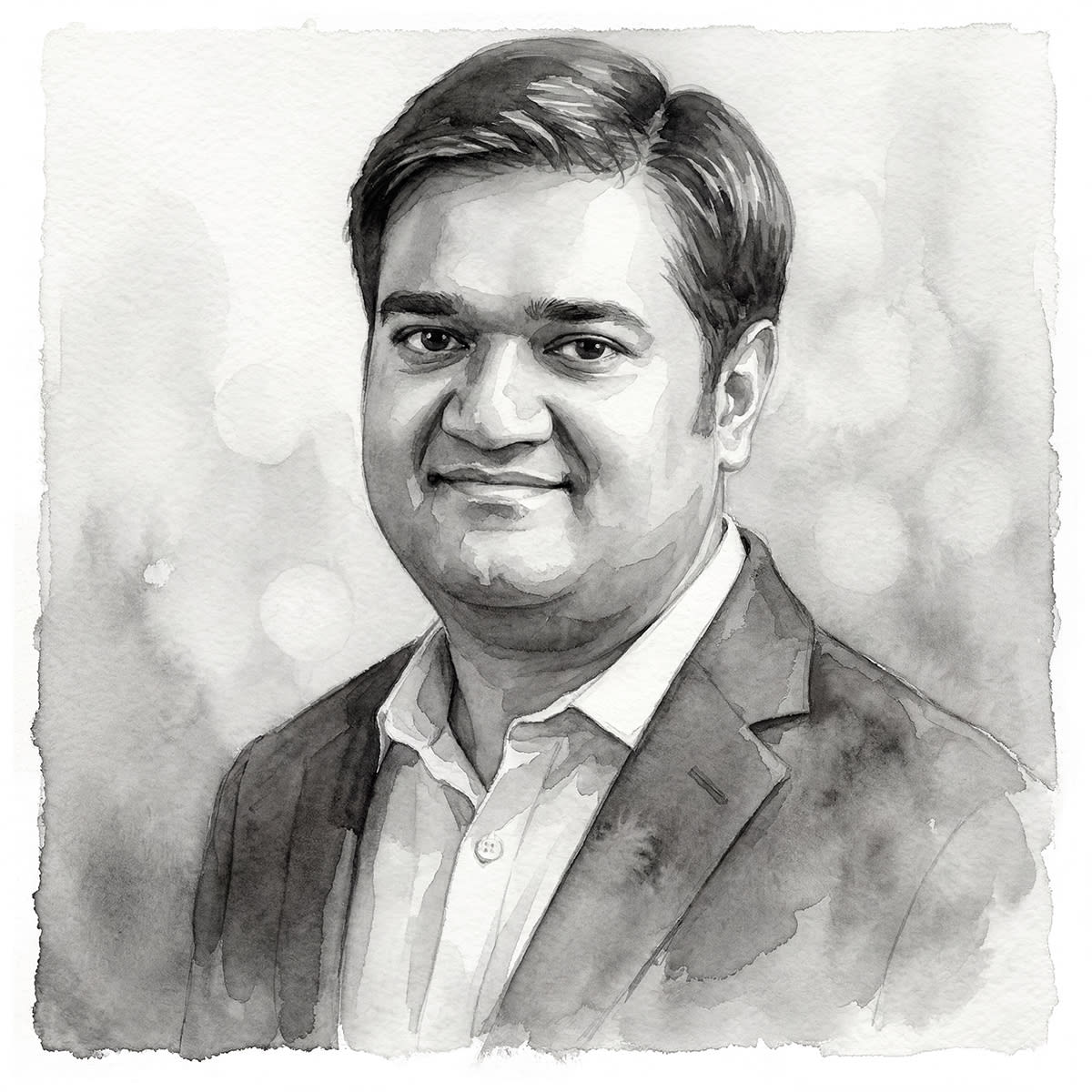
What drew you towards strategic consulting, and what has kept you in the profession for nearly two decades?
Interestingly, consulting was not something I initially planned to pursue. I avoided consulting during campus placements, but later entered the field through Accenture Strategy, moved to BCG, and then joined Alvarez & Marsal.
What has kept me in consulting is the constant “newness” of the job. Every few months, you work on a different sector, a new business challenge, or a fresh strategic problem. The dynamic nature of the profession prevents it from becoming repetitive.
Consulting also demands continuous growth. Every few years, expectations evolve significantly, forcing professionals to constantly stay ahead of industry trends and sharpen their problem-solving abilities. If you enjoy learning, adapting, and operating at the cutting edge, consulting can be an incredibly rewarding profession.
How has your approach to problem-solving evolved over the years?
The fundamentals of problem-solving remain the same: gathering data, building hypotheses, validating insights, and structuring solutions logically.
What has changed significantly is the availability of tools, especially with the rise of generative AI. Tasks that previously required extensive manual effort can now be completed much faster using AI-enabled systems.
However, one aspect I have increasingly focused on over the years is the emotional side of consulting. Solving a problem alone is not enough. The real challenge lies in framing solutions in a way that stakeholders can understand, accept, and implement effectively.
Consulting is as much about influencing change as it is about analytical rigour.
How do you see AI transforming the consulting industry?
AI has fundamentally changed the consulting profession, and in many ways, it has been a major advantage for the industry.
A large portion of consulting traditionally involved “grunt work” such as data gathering, analysis, research synthesis, and slide preparation. Today, generative AI tools can automate many of these processes, significantly improving speed and efficiency.
For example, preparing for a CEO meeting earlier required teams of analysts spending days researching industry trends, competitors, and financial insights. Today, tools like ChatGPT or Perplexity can synthesise much of this information in minutes.
This shift allows consultants to move up the value chain and focus more on strategic thinking, interpretation, and decision-making rather than repetitive execution tasks. At the same time, AI has also increased complexity in the business environment, creating a greater need for consulting expertise to navigate ambiguity and misinformation.
You have worked extensively in the automotive sector. What major shifts do you currently see in the industry?
The automotive industry is going through one of its biggest disruptions in decades due to the transition towards electric vehicles.
Historically, major industry shifts often create opportunities for new players because established incumbents are slower to adapt. We saw this happen in industries such as LED lighting and water purification, where entirely new companies emerged as market leaders during periods of technological disruption.
A similar trend is visible in automotive today. Companies like Tesla, BYD, Ola, and Ather disrupted markets by moving aggressively into EVs while many traditional manufacturers initially responded cautiously.
However, incumbent players are now catching up rapidly due to their scale, resources, and manufacturing capabilities. As a result, the automotive landscape is becoming far more competitive and dynamic than before.
What are your views on the growth of SUVs and premiumisation in the Indian automotive market?
The shift towards SUVs is not simply because customers suddenly prefer premium vehicles. In many ways, small cars became unaffordable due to taxation structures and rising prices.
Earlier, entry-level cars were significantly cheaper and accessible to a larger section of consumers. Today, the starting price point itself has increased considerably, making smaller vehicles less attainable for first-time buyers.
As a result, customers who can still afford cars are often those moving upward within the market and naturally gravitating towards SUVs and premium offerings. Government measures to improve affordability may gradually revive segments at the lower end of the market as well.
What do you believe is the biggest challenge in scaling EV adoption in India?
Contrary to popular perception, the biggest challenge is not charging infrastructure or vehicle range — it is charging time.
Most modern EVs already offer sufficient driving range for daily use. The real consumer concern is the inconvenience of waiting hours to recharge compared with the few minutes required for refuelling conventional vehicles.
Advancements in battery and charging technology are rapidly addressing this challenge. As ultra-fast charging capabilities improve, many current infrastructure concerns may become far less significant.
At the same time, there is still a need for regulatory support to make EV charging installation easier within residential societies and apartment complexes, especially in urban India.
What major trends do you see shaping manufacturing in India?
India currently has a strong opportunity to benefit from global “China plus one” strategies, with organisations looking to diversify manufacturing bases beyond China.
Government incentives in sectors such as semiconductors, batteries, EVs, and critical manufacturing are creating significant momentum for industrial growth.
Another major trend is the rise of digital manufacturing and Industry 4.0 and 5.0 technologies. Organisations across sectors are actively upgrading manufacturing systems through automation, digitisation, and advanced operational technologies to improve efficiency and competitiveness.
What advice would you give to students aspiring to build careers in consulting?
Stay curious.
The core of consulting lies in continuously learning new things and staying ahead of market trends. Consultants are expected to operate a few steps ahead of clients by understanding emerging industries, technologies, and business shifts before they become mainstream.
Curiosity, adaptability, and a willingness to constantly learn are among the most important qualities for anyone aspiring to succeed in consulting.