


April, 2025
10 mins read
Consulting is Moving from Generalists to Super-Specialists
 27 Apr 2025
With close to two decades in consulting, Prashanth Prabhakara, Partner, Consulting at KPMG Global Services, shares how the profession has evolved from PowerPoint recommendations to delivering measurable impact. In a conversation with Bhavya Taneja, he unpacks the growing demand for specialisation, the power of refined data, and the importance of building adaptable teams across geographies — while reminding consultants to pause, stay grounded, and lead with empathy in a fast-changing world.
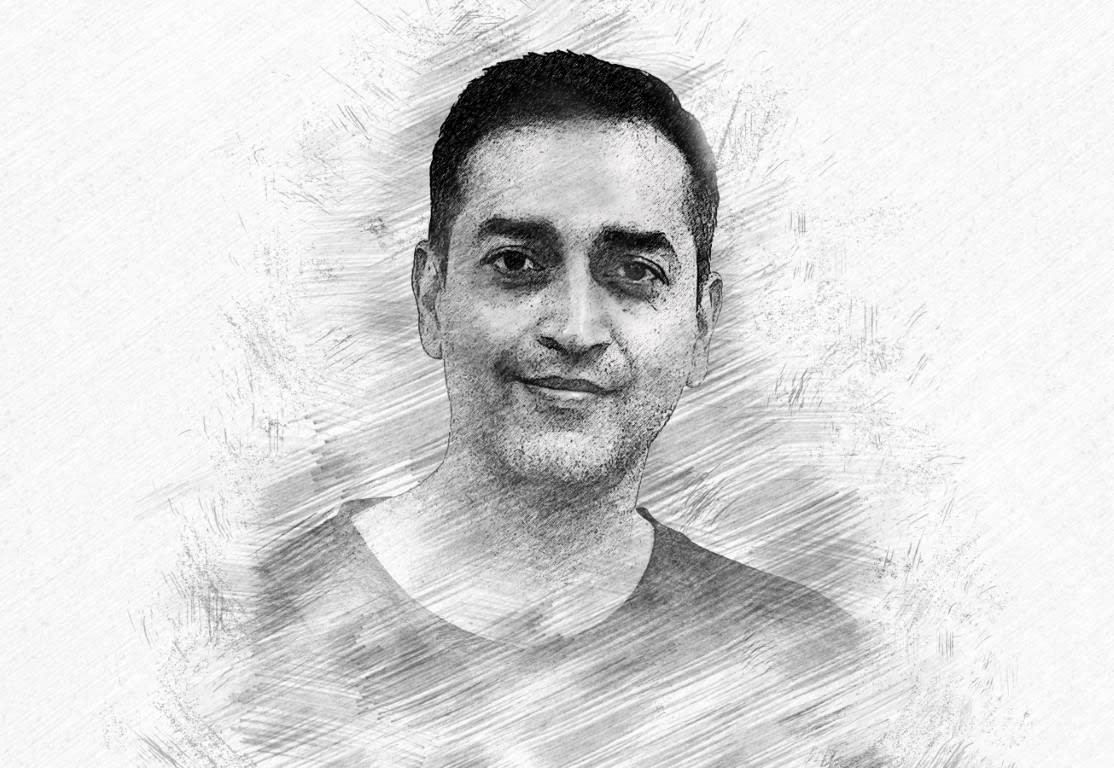
You’ve built a distinguished career in consulting, with leadership roles at firms like KPMG and prior experience at Infosys. What has inspired you to stay in consulting over the years, and what continues to motivate you each day in this field?
Consulting is a unique field, and honestly, it can be quite demanding. A few things keep me going, though. First, no two problems are alike. Even with the same client, each engagement brings something new, and that continuous novelty keeps me engaged. There’s always something new to learn, and the satisfaction of problem-solving is immense. As a consultant, you have the freedom to advise others and help them solve issues — there’s nothing quite like it.
Second, consulting is a field with endless learning opportunities. Each new client and engagement offers fresh insights, which keeps my mind active — especially in today’s rapidly changing technology and business landscape. And finally, seeing my colleagues genuinely happy to come to work, knowing they have rewarding career paths ahead of them, is truly satisfying. Their growth and success make me eager to show up every day.
With nearly two decades of experience, how have you seen the field of consulting evolve over time? How do you think it will continue to change?
Consulting has definitely evolved. In the early 2000s, consulting was more generalist. Consultants would come in, provide recommendations, and the engagement might end with a PowerPoint presentation. There wasn’t much emphasis on implementation. But over the years, accountability has become crucial. Clients now expect consultants not only to recommend solutions but also to demonstrate the outcomes of those solutions.
As a result, consulting firms have expanded capabilities from advisory services to full-scale implementation, especially in large-scale technology projects. I believe this will continue, with consultants developing deeper expertise in specific domains like ESG or healthcare. We’re moving from generalists to specialists, and now even super-specialists — just like in medicine, where we have general physicians, specialists, and now super-specialists. This trend poses both challenges and growth opportunities for consultants.
With data becoming such a core asset for organisations, how do you see the future of data management shaping business transformation? What role do advanced data strategies play in driving competitive advantage and operational efficiencies?
Today, there’s rarely a discussion that doesn’t involve data. While some people refer to data as “the new oil,” I think the true value lies in refining it — just like oil, raw data needs to be processed to be useful. Many organisations have massive amounts of data but struggle to utilise it effectively. High-quality, real-time, accurate data forms the foundation for advanced analytics and decision-making.
This requires rigorous data management strategies, starting from cleanup to establishing master data protocols. Storing data isn’t cheap, so deciding what’s truly needed and deriving actionable insights from it is crucial. Additionally, data democratisation — making data accessible across an organisation — is essential. This will be a key focus for consultants, helping clients unlock the potential of their data.
With the rise of AI and machine learning, how do you see IT advisory and cloud engineering evolving? Are there trends aspiring consultants should focus on to stay relevant?
Yes, every school and college now has AI courses, which is great for foundational learning. AI has been around for a while, but the potential has only recently been realised with advancements in GenAI and computing power. Now, there’s hardly a client conversation that doesn’t involve GenAI. All major platforms are embedding AI capabilities.
For consultants, the focus shouldn’t be on building AI itself but on applying it to create business value. The enterprise space is full of untapped opportunities. Consultants need to understand the business and domain, use AI to generate real ROI, and focus on creating trusted AI systems. Since regulations are still developing, there’s an opportunity for consultants to establish guardrails and ethical standards for AI. Ensuring AI is reliable and accountable will be a significant area of focus.
As an experienced speaker at international conferences, what technology consulting themes are you most passionate about sharing with a broader audience?
Technology is advancing rapidly, but some principles remain constant. First, I advocate for a “V model” of expertise — having deep expertise in one area, with relevant skills in related areas. This is more sustainable than the traditional “T model” in today’s dynamic environment. It allows consultants to adapt as trends shift, ensuring they can provide value across different areas.
Second, I emphasise the importance of knowing why you’re pursuing a specific field. Choosing a path based solely on trends won’t lead to true expertise or satisfaction. It’s essential to identify your strengths and passions — this leads to a rewarding career in consulting. Consultants need to love what they’re doing to thrive in this industry, especially given the rapid changes we’re seeing.
What strategies do you have for building and scaling technology teams that can adapt to regional needs and global shifts? How do you ensure that teams deliver consistent quality across different global markets?
You know, if I know a firm is solid, I would definitely learn from them, but we face the same challenge at KPMG — we work with 50 countries worldwide from India. The experience we get in every geography is unique, and it takes time for the team to understand that. For example, the nuances of working with a US-based customer are totally different from working with a client in Indonesia, Denmark, the Nordics, or the Middle East. It’s a journey.
In my team, the first experience is always a learning experience. You may make mistakes, but that’s okay; you learn from them. By the second project with the client, we should avoid repeating those mistakes. The key is to be adaptable and understand what works in each region. It’s not a one-size-fits-all approach. Some places prioritise depth and comprehensive solutions, regardless of cost, while others focus mainly on cost. In some geographies, geopolitical factors, like security and who’s handling the project, are paramount. You can’t find this understanding in a book; it comes from working with seniors and partners. But it’s a joy to navigate these differences across regions.
With such diverse responsibilities, how do you find moments to reach out and maintain balance in your personal life? Are there any specific routines or passions that help you stay grounded amid your professional commitments?
Yes, balance is essential, or we risk burnout. The magic word here is “pause.” The duration and frequency of pauses depend on availability, but a few things keep me grounded. I love sports. At KPMG, we have sports events like cricket, table tennis, and badminton, and playing with the team is a great way to destress. Daily, I may not always have the time, but when I do, I also enjoy outdoor activities — hiking, camping, and spending time with old friends. Meeting college and school buddies is the best destresser. I’d advise you to make the most of your time with your friends now; these connections will be invaluable years down the road.
That’s amazing advice. What is your perspective on work-life balance, particularly in a demanding field like consulting?
In consulting, people are the only asset. At KPMG, we say people are the heart of everything we do, and that comes from the top down. I’m passionate about this idea. All of us work to live, not the other way around. I’ve seen people who love their work so much that they throw themselves into it, but they often come to realise, after some time, that they need balance.
In consulting, we need diversity of thought, and that comes from diversifying what we do and think about. Engage in different hobbies, talk to various people, and don’t dwell on clients or projects constantly. When your mind is at peace, those focused hours in the office yield the best results. It’s essential to care for your well-being; if you care for people, they’ll care for you.
With your experience managing transformation programmes across the US, Europe, and APAC, what are the key ingredients for managing large-scale cross-regional projects?
Some of these projects are massive compared to what we saw a few years or even a decade ago. A big focus now is delivering value at the right cost. One of the major factors we emphasise is quality; it’s non-negotiable. With large teams, I rely on tools like GenAI and other technologies for automated quality checks. Initially, there was resistance to these tools, as team members worried they’d expose weaknesses, but I emphasise that these checks are not about singling out individuals; they’re about ensuring the client doesn’t discover issues. The other important element is teamwork. One person can’t be the hero. There are often regional biases or rivalries to navigate, but a culture that prioritises clients and celebrates team success helps everything fall into place.
You hold both an MBA and an engineering degree. How have these disciplines influenced your consulting approach, especially in balancing technical and business aspects in client solutions?
I was fortunate to start with a strong technical foundation. Early in my career, I spent five years at a technology company, where software engineering fundamentals were ingrained in me. Later, I took a break for my MBA and moved into product consulting, where I realised it’s never just a business problem — it’s a techno-business problem. My technical background helps me identify the right technology for client needs, and my business education gives me a broader perspective. When you get to leadership roles, you have a team of engineers working with you. The best approach isn’t to say, “I’m your boss; listen to me.” It’s much better when they see you have knowledge in both fields and can guide them. Engineering and business must go hand in hand.
If you could offer one unconventional piece of advice to your younger self at the start of your consulting journey, what would it be?
That’s a tough one. Looking back, I’d say if I could start over, I’d spend more time in the social sector. Having roots in the Indian economy, working with NGOs, volunteering, or starting a small entrepreneurship venture would’ve helped me understand people’s emotions and motivations on a deeper level. I tried to pursue this later, but doing so earlier would have grounded me. Many of us live in a bubble. Some time spent in social causes can provide invaluable perspective.