


January, 2025
5 mins read
Culture drives strategy, talent supports both
 05 Feb 2025
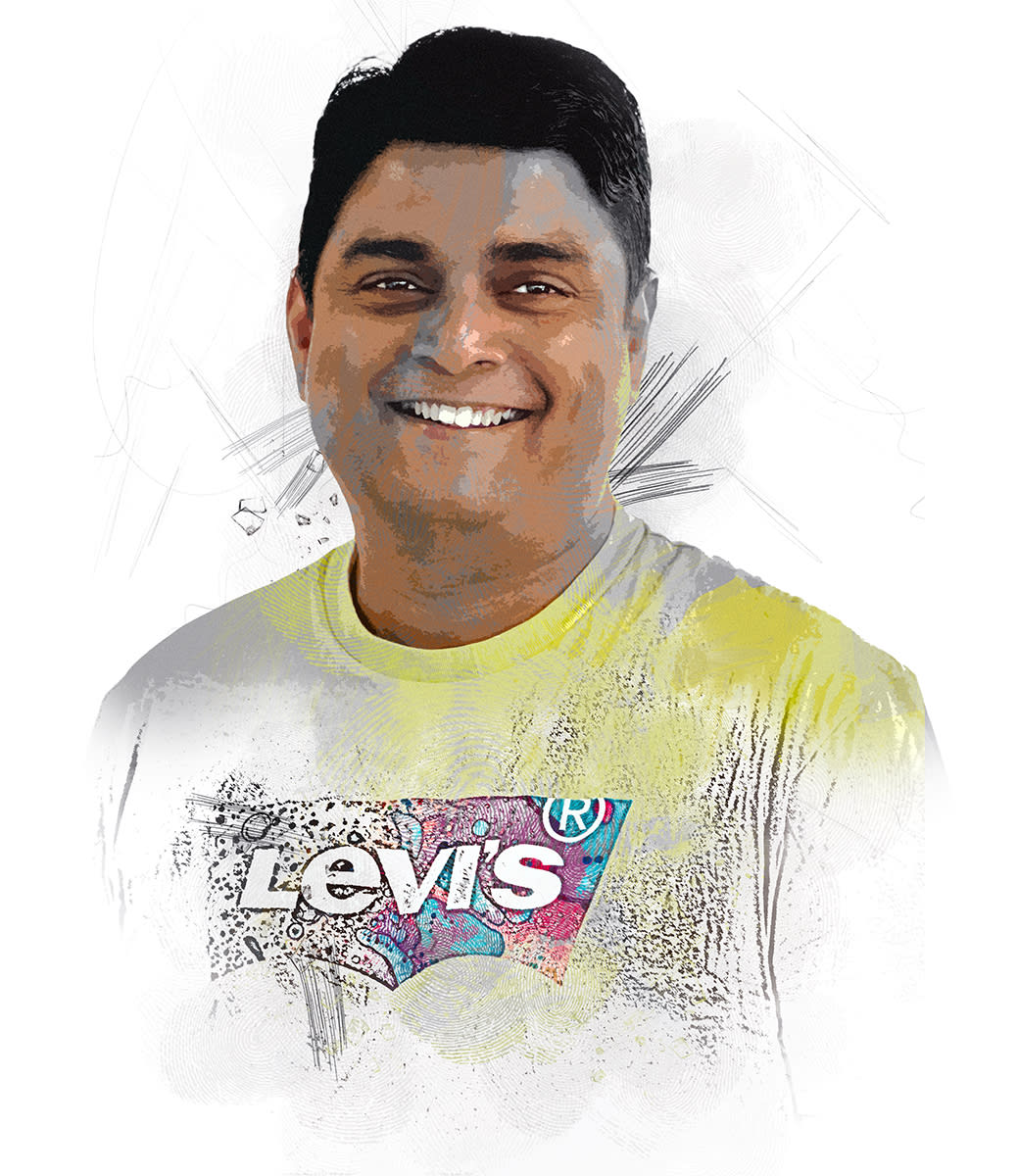
For Harish Rajagopalan, Head of Talent and Culture at CRED, culture isn’t just a buzzword — it’s the foundation that shapes strategy and talent. In an insightful interview with Kaushik Ghosh, Harish discusses the evolving role of HR across industries, the harmony between culture and competencies, and how Gen Z and AI are transforming workplace dynamics. His emphasis on building impactful solutions and fostering a purpose-driven environment provides valuable insights into modern HR leadership.
You’ve worked across diverse industries. How do HR priorities shift depending on the company’s stage and industry?
It’s fascinating how HR priorities evolve. At an early-stage company, the focus is heavily on building — hiring the right talent, creating structures, and defining processes. It’s about laying the foundation. But in a more mature organisation, especially in a well-established industry, the priorities shift towards managing — developing talent, fostering organisational effectiveness, planning for succession, and ensuring strategic alignment.
What remains constant, however, is the mindset of the leadership. If the CEO and board see organisation-building as a core driver of competitive strategy, HR’s role becomes much more integral and impactful. On the other hand, if it’s just treated as a contextual necessity, the depth and seriousness of HR’s impact can be limited.
You’ve often said that culture and competencies are key. Can you explain why these are so critical?
Culture and competencies are the two pillars that hold an organisation together. Culture defines how things are done — it’s the ethos of the workplace. Competencies are what is required to deliver on the strategy. The two must work in harmony.
Imagine this: You have the best talent, but the culture doesn’t allow them to thrive. It’s like having a star player on a dysfunctional team. For example, if you’re in a customer-facing industry but lack a culture of empathy and customer obsession, even the most skilled employees won’t succeed.
Culture amplifies competencies. It provides the environment where competencies can be applied effectively to achieve organisational goals.
When building an organisation, what comes first — talent or culture?
It’s always culture. The way you want things to be done defines the kind of talent you bring in. For example, if your business thrives on customer satisfaction, you need a culture that prioritises customer-centricity. Talent serves that culture. It’s important to remember: culture drives strategy, and talent supports both culture and strategy.
Competencies can seem complex. How can organisations simplify and integrate them strategically?
Competencies should be the foundation of every HR process. Hiring, development, performance management, succession planning — they all revolve around competencies.
Think of competencies as the anchor of the organisation’s “product.” Employees, as customers of this product, should see how competencies enable them to succeed in their roles and grow as individuals. For example, if you define leadership as a core competency, it should reflect in your hiring process, development programmes, and even how you manage performance.
This alignment ensures employees feel supported and valued while driving business results.
Gen Z is redefining the workforce. How do you view this demographic, and what challenges or opportunities do they bring?
Gen Z has fundamentally reshaped workplace dynamics. I’ve noticed three major shifts:
- Redefining loyalty: For them, loyalty is tied to purpose and impact, not tenure. They’re driven by the value they can create, often leading to shorter tenures and an increased preference for gig work.
- Demand for expression: They want platforms to share their ideas and be heard. Organisations must listen empathetically and create environments where expression is encouraged.
- Meritocracy over bureaucracy: They thrive in meritocratic environments. They want their ideas and efforts to make a tangible impact, and they’re quick to disengage if bureaucracy stifles creativity.
Engaging this demographic requires organisations to foster inclusivity, create purpose-driven missions, and actively encourage innovation.
How is technology, especially AI, transforming HR?
Technology has elevated HR from being a process-driven function to a strategic enabler. In the past, tools like HRMS and LMS primarily improved efficiency. Today, AI and machine learning are enabling predictive hiring, personalised employee engagement, and even customised development journeys.
For example, AI can analyse behavioural patterns to recommend personalised career paths or predict employee burnout. The combination of technology and behavioural science is revolutionising how HR supports both business goals and employee well-being.
Can you share a career milestone that shaped your approach to HR?
One project stands out. We had to align strategy across a geographically dispersed organisation. Instead of using traditional communication or training methods, we implemented the balanced scorecard as a strategy deployment tool.
This wasn’t just about cascading information; it was about embedding strategy into daily operations. We aligned every team’s objectives with the company’s mission and vision, ensuring strategy execution became part of the organisation’s DNA.
The biggest lesson? When you approach problems creatively and systemically, the impact can transcend individual or team performance — it can redefine how an organisation operates.
Retention and engagement are significant challenges today. How can organisations address these?
Competencies and culture are the bedrock of retention and engagement. When employees see their skills aligned with organisational goals and feel supported by a strong culture, they’re more likely to stay and thrive.
Gen Z, in particular, seeks purpose, recognition, and opportunities for growth. By linking competencies to culture and creating an environment where employees feel they are making an impact, organisations can naturally attract, engage, and retain top talent.
If you could give one piece of advice to your younger self as a fresh graduate from XLRI, what would it be?
I’d thank my younger self for staying curious — it’s the one trait that has fueled my journey. But I’d also advise:
- Look beyond the surface of problems. Solve them in ways that create long-lasting impact.
- Build a legacy by inventing new solutions rather than relying on traditional methods.
- Always keep your eyes and ears open to understand the business deeply before proposing solutions.
Any final thoughts for aspiring HR professionals?
Treat the organisation as a product and its people as customers. Understand the business deeply — its challenges, customer needs, and competitive landscape. Approach HR not as a function but as a strategic enabler that drives business outcomes.
HR is at a fascinating juncture. With the right blend of curiosity, creativity, and strategy, you can build solutions that leave a legacy and truly transform organisations.