


November, 2025
3 mins read
Culture Is Lived, Not Announced
 28 Nov 2025
With over 30 years of HR leadership across regions and industries, Jacob Jacob, Group CHRO at Aster DM Healthcare, brings a distinctive people-centred lens to transformation. In this conversation with Tanistha Roy Chowdhury, he reflects on what truly enables enterprise-wide change, why culture must be lived rather than declared, and how HR’s evolving strategic role is shaping capability, performance, and leadership for the future.
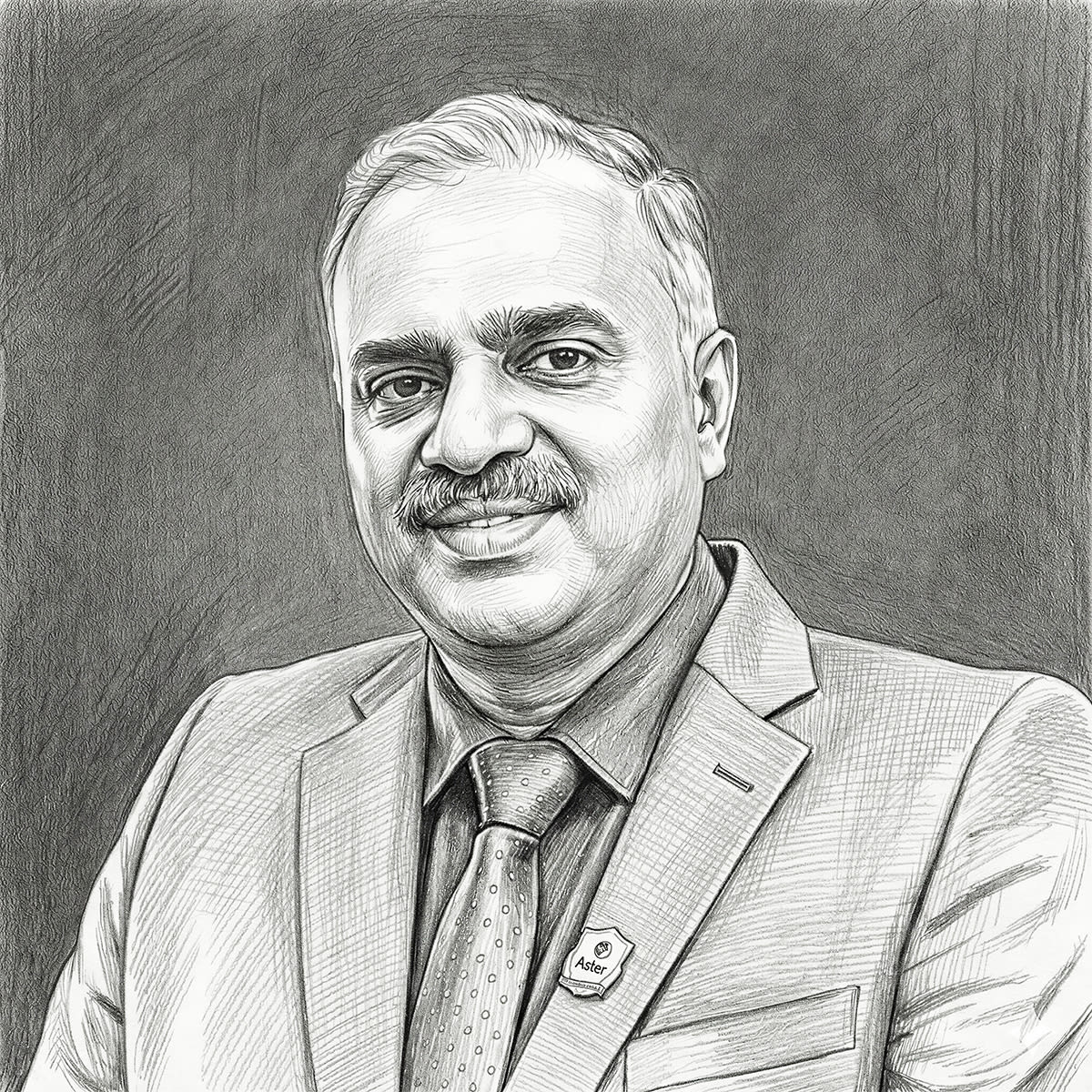
You’ve led transformative projects across countries and industries. What, in your view, truly defines successful transformation at the enterprise level?
Transformation is a big word today. Companies claim that they are transforming, but for transformation to be effective, certain key elements must be in place. The first aspect is understanding why we are bringing about this change and what it entails.
What is the larger picture and its impact on all stakeholders, employees, external partners, and vendors?
Culture, communication, trust, and the larger purpose must all align. Employees must see how their lives improve through this transformation. There must be clarity, confidence, and transparent communication to embed change truly.
Culture often determines whether a transformation sustains or fails. How do you go about building a future-oriented, high-performing culture?
Culture is not something that can be invented overnight. It’s a well-thought-out process that takes years to build. It’s all about how leaders behave, how values are instilled, and how they are reflected in daily actions. Culture must be lived every day — whether by employees or stakeholders visiting the organisation. Taglines or posters do not define culture; consistent leadership behaviour, emotional connection, and daily actions do.
The healthcare industry has its own unique complexities. How does HR strategy in healthcare differ from other sectors you’ve worked in?
The healthcare industry differs significantly from product-based industries. It is a service-based sector where the output revolves around the quality of care and patient outcomes. Hence, HR strategies must be more people-focused rather than profit-driven. The workforce also encompasses diverse roles, including doctors, nurses, and paramedics, each with distinct licensing and skill requirements. Another key aspect is managing stress and burnout. HR must design well-being and engagement programs that
keep employees energised and productive. It must always be an employee-first strategy.
When designing organisational structures, how do you ensure alignment between strategy, execution, and people capabilities?
When building an organisational structure, we first understand the strategic priorities for the next 3 to 5 years, including goals around digital transformation, operational excellence, and clinical excellence. Once that vision is clear, we assess internal capabilities: who can support us in reaching these goals? We then identify missing skill sets, prioritise them, and build a structure that enables capability over hierarchy. The goal is one mission, one vision, one aligned organisation. Hierarchy-driven models often fail because they overlook capability-driven alignment.
The role of HR has undergone significant evolution. How does it influence strategic HR and drive business outcomes in today’s fast-paced world?
Earlier, HR was viewed as an administrative or support function. Today, HR is a driver of success. We are strategic partners in decision-making and align closely with business goals. Data, technology, and change management now form the backbone of HR strategy. HR leads transformation by guiding organisations through change, fostering engagement, and ensuring employee satisfaction. We collaborate closely with senior leadership to ensure HR initiatives translate into tangible business outcomes. HR is not just a support function — it is a driver of success.
Finally, what advice would you give to emerging HR leaders aspiring to operate at the CXO level in the coming decade?
One of the key differentiators today is curiosity. Be inquisitive, stay hungry to learn, and take on diverse projects early in your career. Varied experiences across domains will shape your leadership perspective. Instead of focusing on a long list of competencies, focus on curiosity, varied experiences, and hunger to take on more. That is what will set the next generation of HR leaders apart.