


August, 2024
5 mins read
Effective stakeholder management can resolve many project issues
 30 Aug 2024
In a lively chat with Nandita Kumari, Sridhar Sampathirao, P&L Head and Founding Member at Thoucentric, sheds light on the art of managing stakeholders and navigating project challenges. Drawing on nearly 14 years of cross-industry experience, he underscores the pivotal role of change management in digital transformations and continuous learning essential for consultants. An alumnus of IIM Bangalore and IIT (BHU) Varanasi, Sridhar also highlights the lasting impact of trust and integrity in building client relationships and leadership credibility.
Could you share some of the exciting projects you’ve worked on at Thoucentric?
I joined Thoucentric about nine years ago, and one of my first projects was particularly exciting. Without any prior digital or technology background, I faced a significant learning curve. The project involved a typical supply chain inventory optimisation problem where technology had already been deployed, but the organisation struggled to realise its benefits — a common issue in digital transformations.
Our role was to ensure the effective use of the tool to achieve those benefits. We identified that inadequate change management was a core issue; people often become comfortable with long-standing systems. It’s also crucial to help users understand how the new technology will impact their work and the benefits it offers.
Inadequate change management often stems from comfort with old systems. It’s crucial to help users understand how new technology will benefit and impact their work.
To address this, we designed a comprehensive change management plan that included workshops demonstrating the value of the new system. We illustrated how daily tasks, such as inventory planning, would be transformed. For instance, while planners previously made manual adjustments to the system based on their visibility and forecasts, the new system minimised the need for such changes. Our focus on change management was central to the project’s success.
What are some key stakeholder management strategies that you believe are important for every management consultant?
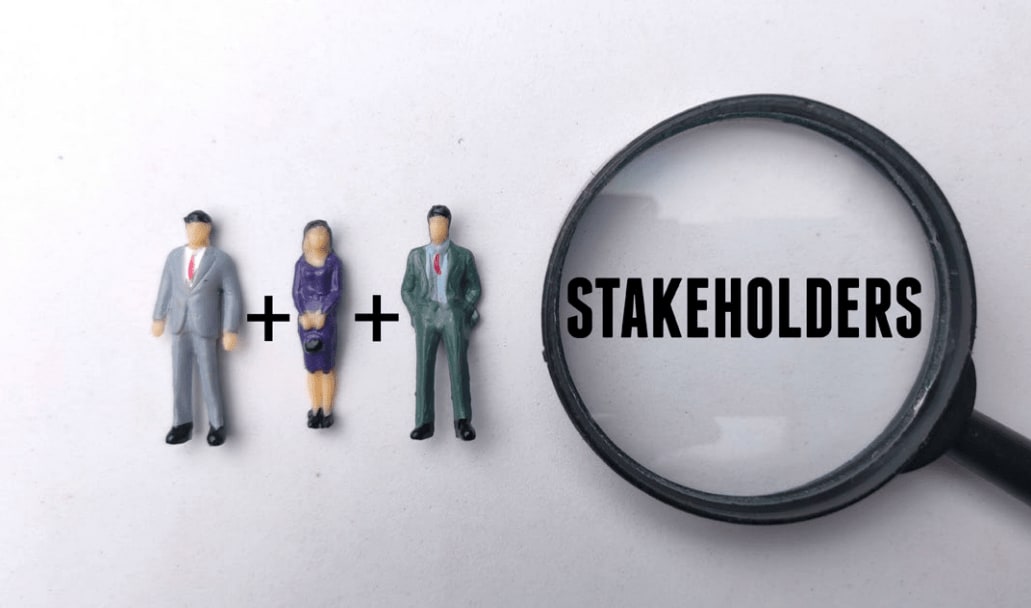
Effective stakeholder management can resolve many project issues. It starts with identifying stakeholders, understanding their influence, and assessing their potential impact on the project. Failing to do this sets the stage for failure.
Once stakeholders are mapped according to their influence and impact, engaging in conversations with each is crucial. Understanding their objectives and preferred communication methods is essential. Setting clear expectations from the outset helps in managing relationships effectively.
Effective stakeholder management starts with identifying stakeholders and understanding their influence. Assessing their potential impact on the project can resolve many issues.
By taking feedback and making improvements, stakeholder management becomes straightforward, leading to future project opportunities as stakeholders recognise your effectiveness. improvements, stakeholder management becomes straightforward, leading to future project opportunities as stakeholders recognise your effectiveness.
As Thoucentric went through transitions, what were some challenges, and how did you tackle them?
At Thoucentric, culture has been our backbone since our inception, growing from a small team to 530 employees. We foster an environment where individuals feel comfortable reaching out for help and sharing ideas for improvement. Regardless of tenure, everyone at Thoucentric speaks the same language.
We utilise an introspection framework called Neon, which encourages employees to reflect on their work and provide self-feedback. This approach has been instrumental in our development, supported by our founder Neelakshi Kotnis’s passion for the topic.
You’ve studied at IIT BHU, IIM Bengaluru, and foreign universities as well. How has your academic experience shaped your career?
Background plays a significant role in career advancement. While your pedigree may matter less as you progress, it can still provide valuable advantages. It’s not just the education from prestigious institutions that matters; the peer group and experiences shape you as a person. Participating in clubs, competitions, and seminars helps develop leadership qualities and provides a solid foundation. It’s also crucial to understand how to apply this knowledge in your daily work. This is why I advocate for a continuous education approach.
Could you share some qualities that you believe a management consultant must possess?
This is one of my favourite topics. While textbooks provide many answers, real-world experience reveals what actually works.
The first skill for consultants is the ability to understand and solve problems. Clients often describe symptoms rather than root causes, so you must dig deeper to define the problem.
Clients often describe the results or symptoms rather than the root cause. As a consultant, you must dig deeper to create a clear problem statement. This skill develops through experience and learning from peers, especially by observing more senior colleagues. Observing more senior colleagues. Additionally, a willingness to learn is crucial. Industries, business processes, and technologies can change rapidly, so having the eagerness to adapt and learn continuously is vital. Attitude plays a significant role in success in this field.
As you’ve worked with different clients, what were some of the challenges you faced, and how did you manage them? What advice would you give to management students? What are some core values you would encourage them to pursue?
Understanding the difference between a leader and a manager is crucial for professional growth. To develop leadership qualities, you must lead by example; this practice builds confidence and prepares you for corporate challenges.
Key qualities for effective leadership include building trust and demonstrating integrity. When clients see your commitment, they are more likely to engage with you. Additionally, establishing credibility in your field is essential. This can be achieved through successful projects, speaking engagements, and maintaining a presence on social media.
Thought leadership is important; to be recognised as a leader in consulting, finance, or supply chain, you must consistently add value to your work. Over time, building this credibility ensures that people will listen to and follow you.