


December, 2024
12 mins read
Great Leaders Sculpt Potential, Not Just Talent
 27 Dec 2024
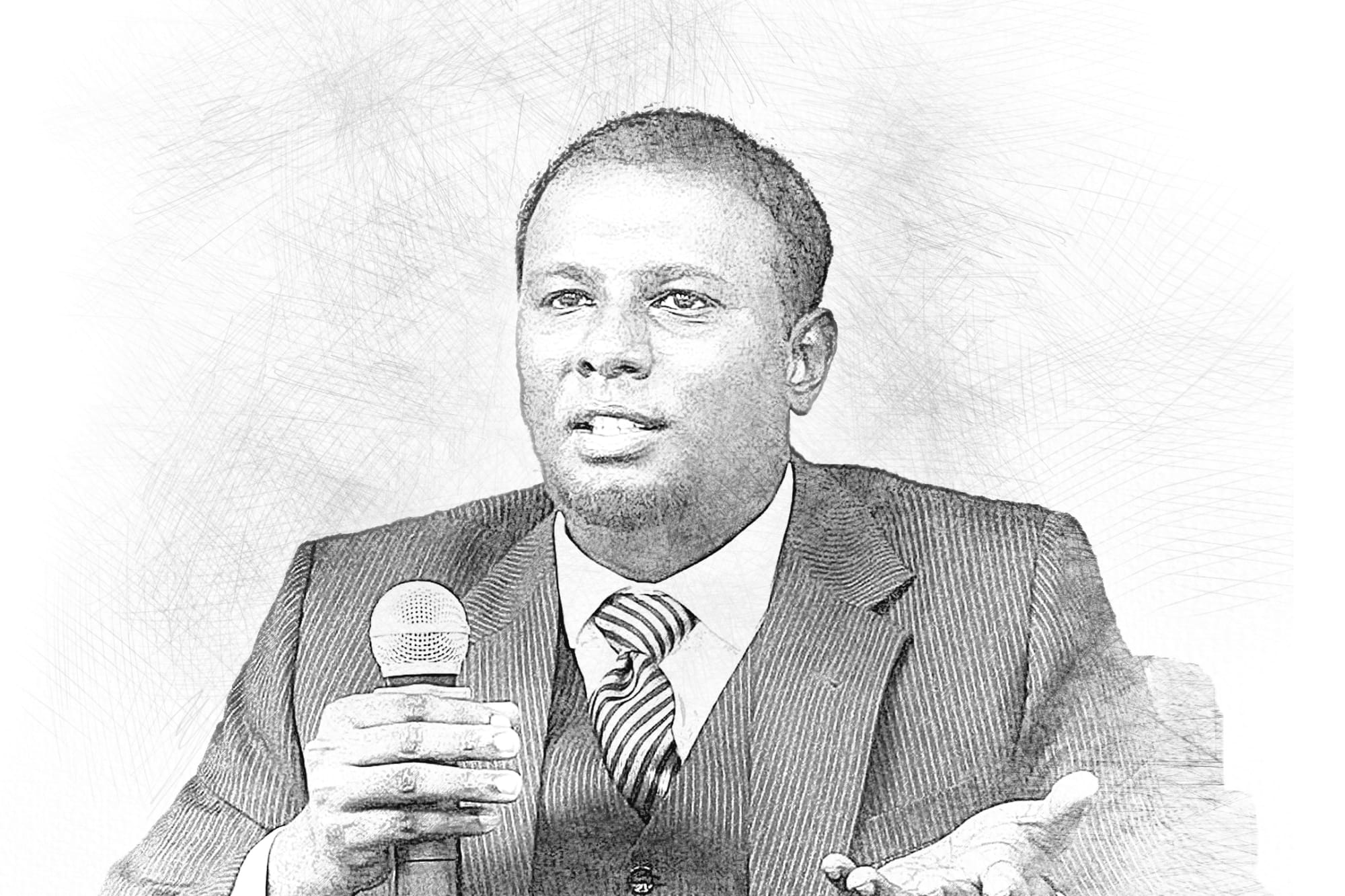
In an engaging conversation with Nachiket Venkat, Binny I Dawson, Global Head - People Development at ETG, challenges the conventional leadership playbook. He argues that recognising potential goes beyond ticking boxes — it’s about resilience, adaptability, and the ability to disrupt the status quo. Dawson critiques the overemphasis on culture fit, advocating instead for leaders who welcome diverse perspectives, prepare teams for a rapidly changing future, and focus on tangible business outcomes over feel-good feedback. His insights offer a refreshing, no-nonsense approach to leadership in today’s world.
Your LinkedIn profile beautifully narrates your love for tattooing and music. You were initially inclined to support those passions but then found your spark in a different direction. Over two decades, you’ve grown into a remarkable leader. What drew you to this field, and what keeps your passion alive today?
That’s a great question. I’ve been in your shoes, and I think a part of me still feels like a student. At 18, I was naive. Many of you in business schools have clear goals — marketing, investment banking, consulting, and so on. But back then, I was drawn to music, tattooing, and art, even though I wasn’t exceptional at any of them. I attended concerts, learned the guitar, and drew temporary tattoos at college festivals. I thought I’d pursue what made me happy.
But reality set in — those dreams needed funding. Telling Indian parents you want to be a tattoo artist? Not an easy sell! During summer break, I worked temporarily in an organisation. That was my first job, and I ended up staying because the pay was great — better than what many graduates earned. Over time, I lost the urge to return to tattooing and music.
Thankfully, a few leaders in the organisation saw potential in me for a learning role and absorbed me under their wings. They created a safe space for me to learn and grow. They were tolerant of mistakes, provided frameworks instead of micromanaging, and helped me build a strong foundation.
Teaching or nurturing talent seemed like my true calling — it felt natural, given my family’s ties to education. I see my purpose as building people and helping them grow. Initially, I battled imposter syndrome, wondering why anyone would listen to me. But with support, I took the leap and discovered the fulfilment of creating an impact.
Now, helping others succeed keeps my passion alive. Meeting former colleagues and seeing their growth reminds me of the difference we can make. It’s that sense of purpose that continues to drive me.
On LinkedIn, you mention valuing the spark in people — not just what they are today but their untapped potential. How do you approach this?
The analogy I often use is the statue of David. Several sculptors rejected the marble for its poor quality until Michelangelo took it on. A great sculptor doesn’t just see a block of stone; he visualises the masterpiece within. Michelangelo turned what others dismissed into one of the world’s greatest works of art.
I try to approach people the same way. Many have potential they can’t see in themselves or project clearly. A good leader, like a sculptor, has frameworks —indicators of success. For instance, someone may demonstrate learning agility or be antifragile, meaning they’ve faced adversity and used it to grow stronger.
Often, people judge potential by rigid criteria — universities, projects, or past roles. But life experiences, resilience, and adaptability can be equally valuable. Great leaders must learn to identify these indicators and invest in them. Success isn’t just black and white; it’s about recognising and nurturing the hidden strengths in people.
That’s insightful. Let’s move to something more technical. While technical competencies are often clear-cut, how do you evaluate whether a candidate will be a good cultural fit? What intangible qualities do you look for?
That’s a tricky one because it varies by organisation. Many prioritise culture fit to ensure candidates align with their ecosystem, ethos, values and work style. However, this can also introduce biases. If everyone thinks alike, who will challenge the status quo? For example, the NASA Challenger disaster highlights this. Despite concerns raised by some, groupthink led leaders to proceed with the launch.
Overemphasising culture fit can result in a “yes sir” mentality, stifling innovation. Personally, I value a balance. While cultural alignment is important, I also seek diverse perspectives — people who can challenge norms and disrupt biases. Ironically, I was not a culture fit myself. If organisations had rejected me based on traditional criteria, I wouldn’t be where I am today.
Sometimes being a misfit is a compliment. If you never truly fit in, you can bring fresh ideas and create real impact. Organisations should value those who contribute by thinking differently, not just those who conform.
Considering current trends in the global job market, do you see a shift in preference between campus hiring and experienced market hires?
Interesting question, especially in a campus setting. Is it curiosity or apprehension driving it? Reports from BCG and others suggest campus hiring is on a gradual decline. How significant is it? Hard to say. Your placements still wrap up quickly, so perhaps the iceberg is melting — but not fast enough to feel the impact just yet.
That said, there’s definitely a tremor. The “paper ceiling,” or the diminishing value placed on degrees, is real. Education, once limited to the elite or highly determined, is now more accessible, with people acquiring practical skills beyond traditional institutions.
If I were a CEO, choosing between a premier B-school graduate and an experienced hire with a proven track record, the decision would depend on the business need. Young talent brings fresh perspectives and is more malleable, ideal for building a leadership pipeline. On the other hand, experienced hires often come with industry insights, though some may resist adapting, comparing with their previous companies.
Ultimately, it’s about striking the right balance. If you need someone to hit the ground running, experienced hires make sense. But for long-term leadership development, investing in young talent is invaluable.
But from a cost-effectiveness angle, if budgets are tight, which option offers a higher return on investment?
It’s still scenario-based. In a pro-campus context, hiring young talent can be a strategic investment for creating a succession pipeline. Over time, homegrown leaders may cost less than bringing in senior hires later.
While I wouldn’t reduce it purely to cost, campus hires bring immense value. They blend academic rigour with fresh energy and grow alongside the company, often driving better long-term outcomes.
There’s also the benefit of reverse mentoring — young hires can offer fresh perspectives and help anticipate future challenges. If every hire mirrors current leadership, you risk groupthink. So while market hiring has its place, the broader advantages of campus hiring are hard to overlook.
With rapid technological advancements, upskilling employees has become essential. How do you ensure your workforce stays competitive in this dynamic environment?
That’s a critical challenge. We live in a world of constant disruption, with mega trends shaping the future. Our learning partner provides monthly insights into industry trends, which helps us assess emerging skills, identify gaps, and design programmes to address them.
At our ETG Academy, we focus on four pillars: leadership, skills, mastery (technical expertise), and culture/governance. The skills pillar is vital. We offer immersive and self-paced digital learning interventions, along with webinars and other sessions tailored to different levels.
Are we there yet? Like others, we face challenges because skill acquisition takes time, and the range of skills required is vast. For instance, while AI is a focus for many, parallel skills like change management are equally crucial. AI will reshape jobs, creating a need for leaders who can navigate transitions and support teams through change.
Organisations are also dealing with mergers, acquisitions, and upheaval, which makes managing change an essential capability. We’ve prioritised this in leadership programmes and plan to embed it into broader projects to make it a practical, everyday skill. The pace of change is unprecedented. Take, for example, chimney sweeps —once a well-paid job in the US when coal-burning fireplaces were common. As heating technologies evolved, the job disappeared. Similarly, many roles that seem indispensable today might not exist tomorrow. Helping people adapt to this evolving landscape is not just about acquiring skills — it’s about preparing for the unknown.
If one of your competitors adopts a new technology, it could create a significant differentiating factor for them. Is there a dedicated team that researches these new technologies and identifies what would be relevant for your organisation?
Yes, we do have teams focused on this, both centrally and decentrally. Since we are a group of companies, some decisions can be decentralised based on individual company needs. However, we also have a strong IT leader who influences the leadership team on what I would call business necessities, not just trends. This is about hedging ourselves for the future. So, we keep a close watch on new technologies and their relevance across our various businesses.
You’ve had experience in both the mortgage real estate sector as well as in agriculture. How do the nuances of talent management and training differ between these industries, and what key lessons have you brought from one to the other?
I’ve been lucky to work in a field that is largely industry-agnostic. The foundations are quite simple: adult learning philosophy, understanding ROI, ensuring that learning sticks, and building leaders for the future. All these frameworks and systems can apply to any industry.
I’ve been able to build on these transferable skills and apply them almost like a cookie-cutter template, with modifications as needed. For example, in the banking sector, where compliance was a strong focus, I had to adapt the template accordingly. But the overarching principles remain the same.
Irrespective of industries, be it consulting firms, the Big Four, or aviation, all emphasise talent development, a priority shared across sectors.
That said, having industry experience does give you an edge, as it allows you to communicate effectively with business leaders. One of my early mentors guided me to focus on ROI. In learning, we refer to the Kirkpatrick model. Many learning teams concentrate on participant feedback — achieving a five-star or seven-star rating is seen as a success.
However, my mentor encouraged me to think differently: start with the ROI or business results in mind, and then reverse engineer the programme to achieve that outcome. Creating a programme that merely satisfies participants might not lead to business results. While happiness can be a byproduct of doing great work, it’s fleeting if there’s no practical application for what was learned.
Now, from an organisational perspective, can you share initiatives you’ve implemented to help employees upskill and advance? Also, how do you measure their effectiveness?
That ties back to what we’ve already discussed. Like any forward-thinking organisation, we have robust talent development programmes. One of our key approaches is mentoring — our senior-most batch mentors the level below, and some also benefit from reverse mentoring by juniors.
Our campus-to-corporate programmes stand out for their immersive nature. Fresh hires shadow senior leaders and gain live business exposure — not just through presentations but by rolling up their sleeves and working on-site. This hands-on experience makes them stronger contributors to our future leadership pipeline.
In leadership programmes, we employ varied methodologies. For instance, this year, we partnered with a global university to introduce case discussions enhanced by virtual reality. Participants put on VR glasses to experience scenarios firsthand before diving into discussions. Engaging multiple senses makes the learning more impactful and longer-lasting.
We also focus on action-based projects that not only reinforce learning but also deliver tangible business outcomes. These modalities ensure learning sticks while remaining relevant to organisational goals.
Looking ahead, how do you envision the HR function evolving over the next decade? What key trends should organisations prepare for now?
I follow industry reports from firms like Deloitte, PwC, and Gallup, and while there’s much discussion about human-centric HR, I hesitate to make broad predictions. Sometimes, in uncertain times, the best approach is to take one step at a time.
Currently, fears and confusion dominate. There’s anxiety over AI taking jobs, changing company cultures, and automated hiring systems replacing human recruiters. Amidst this, I believe the immediate focus should be on developing managers. Over the years, many have been promoted for their performance rather than their management skills. Yet, people management is a challenging responsibility, and the middle management layer — often described as the backbone by McKinsey — plays a pivotal role in nurturing teams and executing leadership directives. Strengthening this layer is essential to address current bottlenecks in many organisations.
Change management is another critical area. As organisations navigate mergers, acquisitions, and restructuring, HR will be instrumental in ensuring smoother transitions and minimising the pressures on employees and leadership teams.
Additionally, HR professionals must embrace technology. While some dismiss it as a passing trend, it’s a transformative force already reshaping the field. Viewing technology as an ally can enhance decision-making, reduce biases, and combat decision fatigue. I see it as a tool that amplifies our capabilities — like a superpower in Transformers or Power Rangers. However, ignoring it could be detrimental, akin to the Titanic hitting an iceberg.
By reframing technology as a friend rather than a threat, HR professionals can turn it into a strength, preparing for a future where technology-driven trends like AI will play an even greater role.