


April, 2026
5 mins read
It is Logistics and Operations that Compete
 29 Apr 2026
Suresh Goel is a seasoned business leader with over four decades of experience across banking, food processing, and diversified enterprise management. As Chief Executive Officer of Bikanervala Foods Limited for nearly 14 years, he has played a key role in scaling the organisation across operations, finance, sales, marketing, and governance. With prior leadership experience at HDFC Bank, he brings deep expertise in strategy, integration, and people management. In this conversation with Divya John, he shares insights on managing legacy brands, operational excellence, and leadership in the food industry.
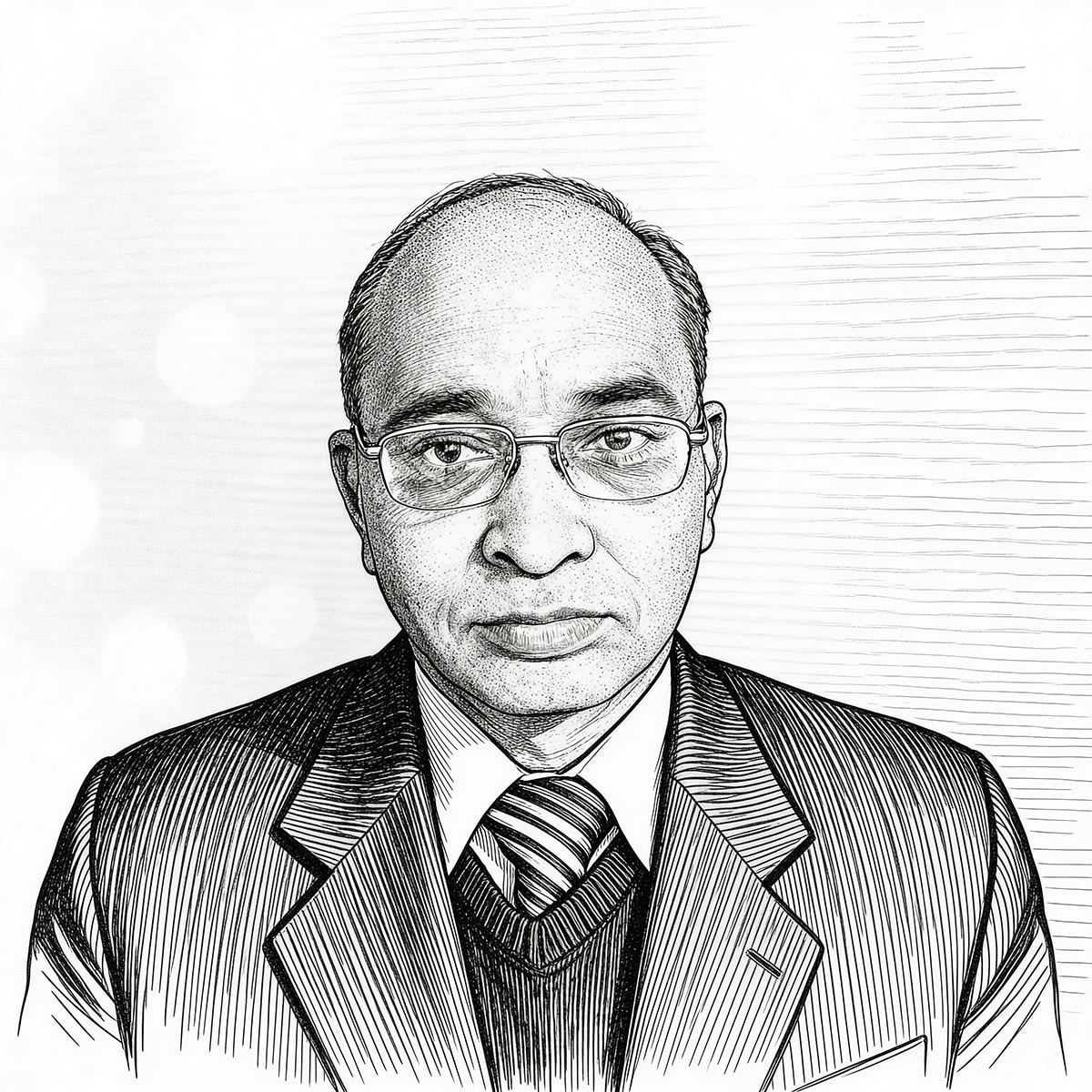
Bikanervala has a strong legacy in ethnic food — how do you preserve this sense of tradition while scaling to meet evolving consumer expectations?
Every organisation has an origin. In Bikanervala’s case, it comes from a long-standing presence in ethnic food. Legacy is always there. In life as well, you either inherit a legacy or create one.
At the same time, you have to evolve. You must address changing market and consumer requirements without losing your original identity. Over time, we have worked on improving shelf life, ensuring quality and hygiene, enhancing presentation, and keeping health considerations in mind.
It is a dynamic situation. We continue to evolve through R&D and market research, taking feedback and incorporating innovation into our products.
What operational challenges are unique to the food industry compared to other sectors like banking?
There are two key differences.
First, food is directly consumed by people. So safety becomes critical. Responsibility does not end at selling the product. It ends only when the customer consumes it and is safe.
Second, food is perishable. Some products last only a few hours, while others may last months. We must ensure that no stale food is served. Preservation, operations, and logistics therefore become very important.
This becomes even more complex when delivering the same taste across geographies, for example, serving a customer in the US the same experience as in Delhi. Significant effort and investment go into making that possible.
How do you shape governance in a business with a strong family legacy?
Family legacy brings values into the business. These values come from the family itself.
At the same time, you must address market and customer requirements. Governance is about balancing both, ensuring that values and ethics continue while meeting consumer expectations.
Corporate governance, for me, is about following certain basic principles and logic that cannot be ignored.
What role does supply chain and logistics play in ensuring brand consistency?
There is a common misconception that brands compete with each other. In reality, it is logistics and operations that compete.
A brand is defined by three things: quality, timely delivery, and customer satisfaction. All three depend on logistics.
The more seamless your operations, the more successful you are. This becomes even more important in a country like ours with multiple weather conditions, where food is sensitive to temperature. Preservation and delivery are major challenges.
What skills should MBA students develop to succeed in this industry?
Management principles are common across all industries. Planning, organising, staffing — these apply everywhere, even in daily life.
However, every industry has its specific requirements. In food, managing perishability and logistics becomes critical. You need to adapt your management skills accordingly.
Without management, nothing works. You cannot rely on trial and error.
How are food brands adapting to changing consumer preferences, especially towards healthier options?
There has been a clear shift post-Covid. Consumers have become more conscious about health, and eating habits have changed.
However, taste cannot be compromised. If food is not tasty, it becomes medicine.
So the key is balance. You have to adjust the composition of food while maintaining taste. In our case, traditional Indian foods already incorporate spices and ingredients that support health, which helps us maintain that balance.
What advice would you give to leaders managing businesses built on trust?
The most important factor is consistency. I often relate this to these three principals:
H: Honesty
I: Integrity
S: Sincerity
You must act with honesty, be sincere in your work, and ensure that what you say is truthful. If these principles guide your actions, success will follow.
What decisions test the balance between preserving legacy and enabling scale?
Every brand is known for something. In our case, it is ethnic food, and that legacy must be preserved.
At the same time, scale is essential for sustainability. To scale, you need to bring in technology. Today, there is a lot of discussion around AI and automation.
However, technology is ultimately driven by human thinking. AI works on inputs and formulations, but the thinking comes from the human brain. It is human judgment that solves problems and drives progress.
What operational disciplines, if ignored, can damage the brand?
There are different types of risks in any business.
In our case, two are critical: operational risk and reputational risk. Operational risk relates to inefficiencies in processes, while reputational risk can arise quickly if customers are dissatisfied.
Today, customers may not always complain. They may simply stop coming and share negative feedback informally. If these risks are not managed, they can damage the brand significantly.
How do you mitigate reputational risk in such a business?
Reputation spreads faster than anything else. You must stay in constant touch with the consumer, understand their behaviour, and track market feedback. More importantly, the entire organisation must think from a customer perspective.
Everyone, from top to bottom, is a salesperson and a service provider. When this mindset is embedded, reputational risks can be managed more effectively.