


November, 2024
6 mins read
Leading with Empathy: The HR Blueprint for Modern Times
 27 Nov 2024
In a compelling interview with Amith Shaju, Dr. Badari Narayana, Executive Director of Talent at Deloitte South Asia, reflects on his illustrious career journey, the evolving landscape of HR, and the challenges brought by rapid technological change. From his beginnings in Visakhapatnam to leading HR initiatives at Deloitte, Dr. Narayana shares experiences, lessons learned, and forward-thinking strategies that continue to shape the HR field.
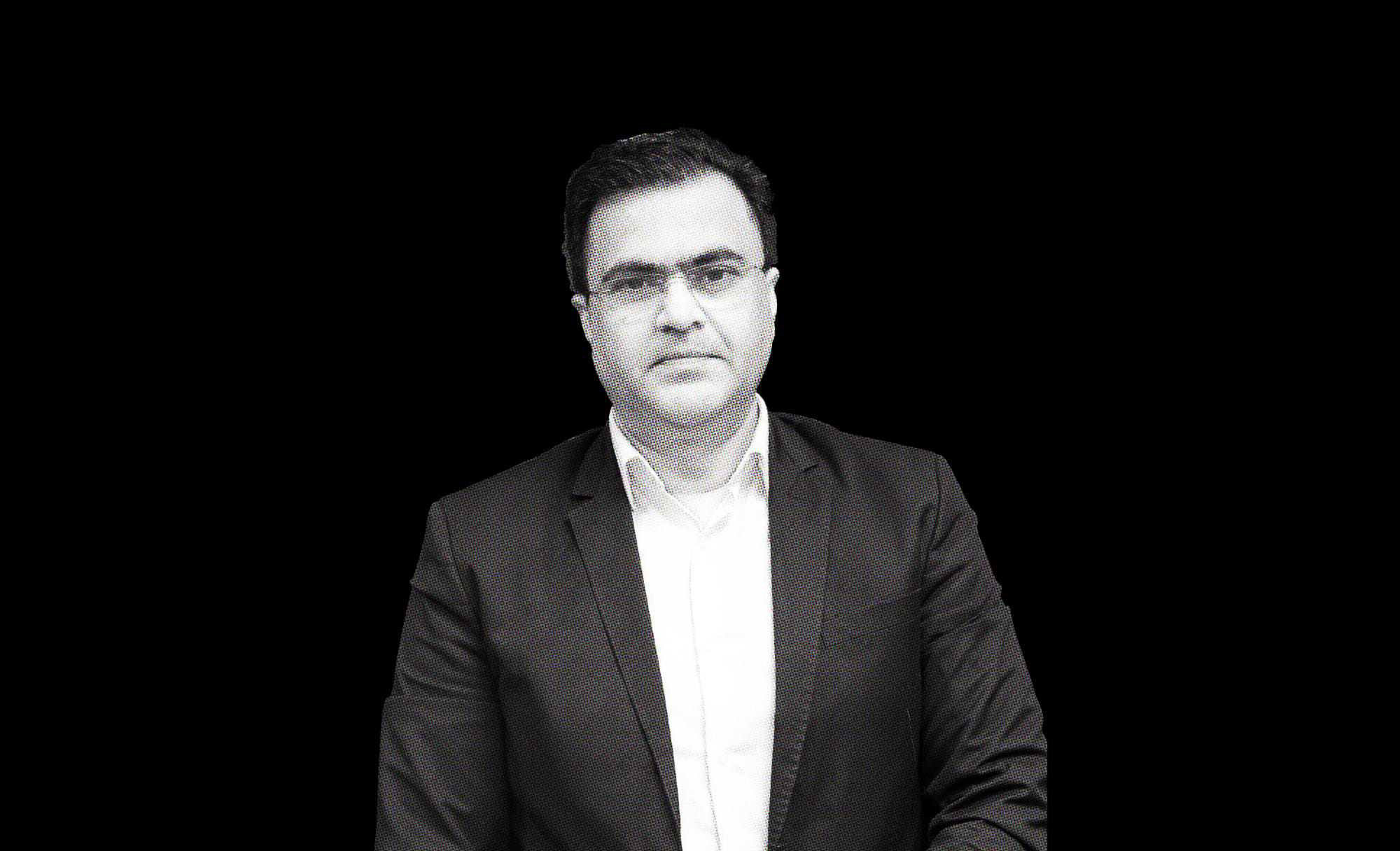
You started your career nearly a quarter-century ago as an HR Manager at IT Nation, and today you are the Executive Director of Talent at Deloitte South Asia. Looking back, what challenges and milestones stand out to you?
Oh Amit, thank you for that! You’re taking me on a nostalgic trip down memory lane. I grew up in Vishakapatnam, completed my education, and earned my doctorate in Human Resources. I moved to Bombay on a whim when a friend suggested, “Why don’t you try Bombay? You’ll fit right in.” So, with a suitcase in hand, I boarded the Konkan Express and arrived in Bombay.
From the moment I stepped off the train, I was captivated. Bombay either embraces you or pushes you away, and within the first month, I was completely embraced. I started at IT Nation, a startup facilitating online trading for IT products, where I had the opportunity to open nine offices across India. It was surreal — interviewing scores of people and seeing them line up for roles because IT was booming at the time. The experience of setting up those offices was humbling.
However, we had to close four or five offices when the dot-com bubble burst. Witnessing the emotional toll it took on employees and their families was heart-wrenching. Parents came pleading for their children’s jobs. It was during this time that I learned the full cycle of HR. After that, there was no looking back.
I moved on to join ABC Consultants, a top executive search firm. Interestingly, Deloitte was a client there, which came full circle when I joined Deloitte after a stint with WNS Global Services, India’s first BPO. I’ve now been at Deloitte for 14 years. Each step taught me resilience. Bombay taught me to get back up every time I fell. I remember losing everything I owned to someone I considered a friend in my early days. My managing director at IT Nation simply said, “Welcome to Bombay.” Those moments build you.
Your LinkedIn profile mentions your impressive weight loss journey, spurred by a simple comment. In a corporate world where health often takes a backseat, what initiatives does Deloitte take for employee well-being?
You did your homework! Let me tell you about Deloitte. We are one of the 100 companies worldwide to have signed the Zero Health Gap Equity pledge at the World Economic Forum. This commitment integrates health into our strategy, innovation, and budgeting. Well-being is embedded in our KPIs and prioritised at the leadership level.
We provide six well-being leave days—whether it’s for celebrating your dog’s birthday or caring for a parent’s health, no questions asked. This policy is highly appreciated by employees. Additionally, we have a Chief Happiness Officer, Saraswati Kasturi Rangan, a cancer survivor who champions mental well-being across the company.
On a personal note, I was a high diabetic taking eight tablets a day until a comment from my ex-boss, Nathan, triggered a change. I lost 20 kgs through a keto diet and gym regimen. This transformation underscores Deloitte’s focus on well-being. If I don’t set an example, how can I expect my team to follow?
I noticed you frequently use hashtags and often mention books in your profile. What book would you recommend to aspiring leaders at XLRI?
That’s a tough one, but I’d recommend The Laws of Human Nature by Robert Greene. It’s comprehensive and requires patience, but it offers profound insights into human behaviour — essential for HR professionals. Another great read is The Diary of a CEO by Steven Bartlett, which provides valuable lessons in leadership. I’d also suggest Factfulness by Hans Rosling. It challenges perceptions and highlights how media can shape our understanding of the world, often inaccurately. For instance, when you hear “Ethiopia,” what comes to mind?
An African country associated with conflict and poverty.
Exactly, but Factfulness reveals that Ethiopia is no longer a poor country, though many still believe it is. The book teaches you to view statistics critically and avoid taking them at face value.
Post-COVID, hiring practices have shifted, with initial interviews often conducted virtually, leading to an increase in fraud. How is Deloitte tackling this issue?
During COVID, technology consulting surged, and hiring increased instead of declining. We conducted video interviews and soon noticed that some candidates performed exceptionally well but under-delivered once hired. We discovered interview fraud, particularly from certain regions. In response, we started deploying AI
to screen candidates. AI can detect inconsistencies and assess candidate responses, though we’re still refining this process. It’s an ongoing journey, but we’re making progress.
How do you see disruptive technologies shaping the future of HR?
Disruptive technologies, especially AI, are game changers. For example, AI helps identify unconscious biases in hiring and ensures gender-neutral language in job descriptions and policies. These technologies are being integrated into HR practices to create more inclusive environments.
What are the most pressing issues HR faces today, and how are you addressing them?
HR is currently balancing two major challenges: adapting to rapid technological advancements and preparing the workforce for these changes. Upskilling and adjacent skill development are vital, and HR leaders need to be tech-savvy enough to distinguish hype from practical AI solutions. Additionally, the entrance of Gen Z and soon Gen Alpha into the workforce brings new expectations, including a focus on social impact. HR needs to ensure internal programs align with these values to attract and retain talent.
Thank you for your time and insights. What advice would you give to those aspiring to follow in your footsteps?
My journey may not be one to emulate, but here’s my advice: be vulnerable. Admit when you don’t know something. Leave your ego at the door—HR is serious business. Embrace criticism; it’s where you grow. And remember, for every person who praises you, there will be three who don’t. Don’t let it affect your resolve. Lastly, step out of your comfort zone. Moving to a new city and thriving there teaches you resilience and adaptability. When I came to Bombay, people doubted me. That doubt motivated me to prove them wrong. Let’s keep moving forward.