


May, 2025
4 mins read
Livelihood Is for Life — Not the Other Way Around
 27 May 2025
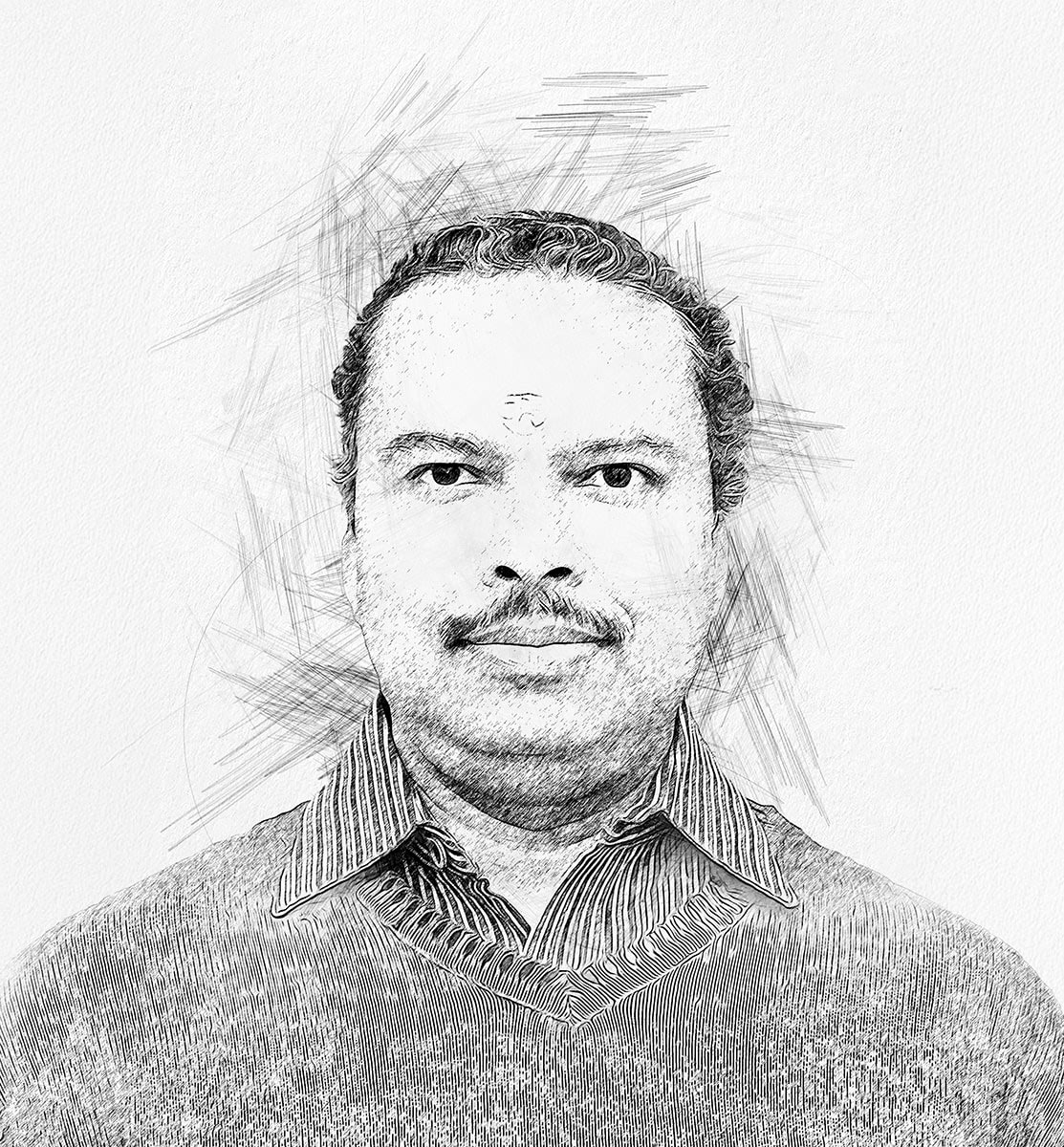
Alok Kumar, Associate Professor of Organisational Behaviour at XLRI Jamshedpur, believes true growth lies in balancing career with personal well-being. In this interview with Anmol Singla, he explains why emotional intelligence, inclusive culture, and culturally grounded leadership are essential in today’s workplace. Offering an OB scholar’s perspective on AI-driven workspaces, he reminds MBA students that ambition must go hand in hand with fulfilment and life’s broader responsibilities.
Could you walk us through your professional journey and what motivated you to specialise in organisational behaviour at XLRI?
Generally, Indian business schools club organisational behaviour (OB) and human resource management together; however, XLRI has a separate OB area with a stellar reputation for academic excellence over decades. After completing my doctoral education at XLRI, I worked at the Indian Institute of Management Ranchi before joining XLRI. It was a homecoming for me, and I had the opportunity to work with some of the best minds as colleagues and students.
In today’s rapidly changing corporate environment, what qualities do you think define an effective leader?
A firm cultural grounding will differentiate outstanding corporate leaders from average ones. Indian business leaders should appreciate the distinctiveness of Indian culture and adapt their leadership practices accordingly. Emphasis on cultivating self-awareness, deep engagement with dharma to promote the well-being of employees and business sustainability, continuous learning, empathy, and a sense of interconnectedness with stakeholders would characterise outstanding leaders. Promoting teamwork, transparent communication, and embracing technology will be process-related factors that help leaders adapt to the rapidly changing business environment.
Emotional intelligence is increasingly recognised as a critical skill in organisations. How can MBA students develop and leverage emotional intelligence for career success?
The ability to manage emotions is indeed a crucial skill in organisational and personal life. MBA students can enhance their emotional intelligence through OB courses on individual behaviour and leadership. Beyond formal coursework, they can adopt practices that turn difficult situations into opportunities to develop emotional intelligence. They should reflect on how effectively they managed emotions during stressful situations and seek constructive criticism from mentors, professors, and peers on handling pressure, teamwork, and communication. They should practise active listening in group projects, paying attention to non-verbal cues such as vocal tone and facial expressions. Empathising with others’ viewpoints during disagreements and teamwork is also vital. Well-cultivated emotional intelligence aids teamwork, networking, communication, leadership, and resilience — critical for personal and professional success.
With organisations striving to create diverse and inclusive workplaces, what strategies can future business leaders adopt to foster true inclusivity?
Organisational inclusion practices often focus on diversity-based hiring and performance management that emphasise differences. Such practices risk reinforcing divisions by highlighting microaggressions, stereotypes, and implicit biases. True inclusion promotes unity while recognising differences. Culturally grounded leadership that role-models empathetic communication is key. It requires a culture where people communicate without constant fear of judgment, while appreciating others’ differences. Inclusion isn’t about ‘respecting’ everyone but acknowledging surface- and deep-level differences while embracing a shared organisational identity and common goals.
Employee well-being is a growing concern, especially in high-pressure corporate jobs. What role do organisations and leaders play in ensuring a mentally healthy work environment?
Organisations need to address extended work-hour cultures by promoting timely work completion and encouraging employees to go home on time. Leaders must confront unrealistic deadlines and abusive supervision, and foster a positive work environment where people feel a sense of belonging. Organisations should also encourage well-being practices such as yoga and lifestyle habits that support healthy eating, adequate sleep, and a thriving family life. Accepting the whole person at work — including their spiritual and emotional facets — can contribute meaningfully to employee well-being.
With the rise of hybrid work models and AI-driven workplaces, how should young professionals and managers prepare themselves for the evolving corporate landscape?
People skills remain as critical in the AI age as ever. Young professionals should cultivate digital proficiency with collaborative tools, AI-aided idea evaluation, data-driven decision-making, virtual teamwork skills, and continuous learning. Using AI and social media to build and maintain networks is another avenue. The rise of AI underscores the need for core skills like critical thinking, problem-solving, creativity, and emotional intelligence. Empathy and leadership that balances performance with well-being are even more vital in this era.
What is your key message for MBA students as they prepare to enter the corporate world?
MBA students should first appreciate that livelihood is for life — life is not for livelihood. While career advancement is important, balancing family responsibilities ensures holistic growth. Lopsided growth —career success at the expense of family life — does not bring happiness. Students should consider progressing in life’s dharma and artha dimensions, which are critical for fulfilment.