


February, 2025
12 mins read
The Alibaba Revolution Was Coming to India, and We Wanted to Lead It
 09 Mar 2025
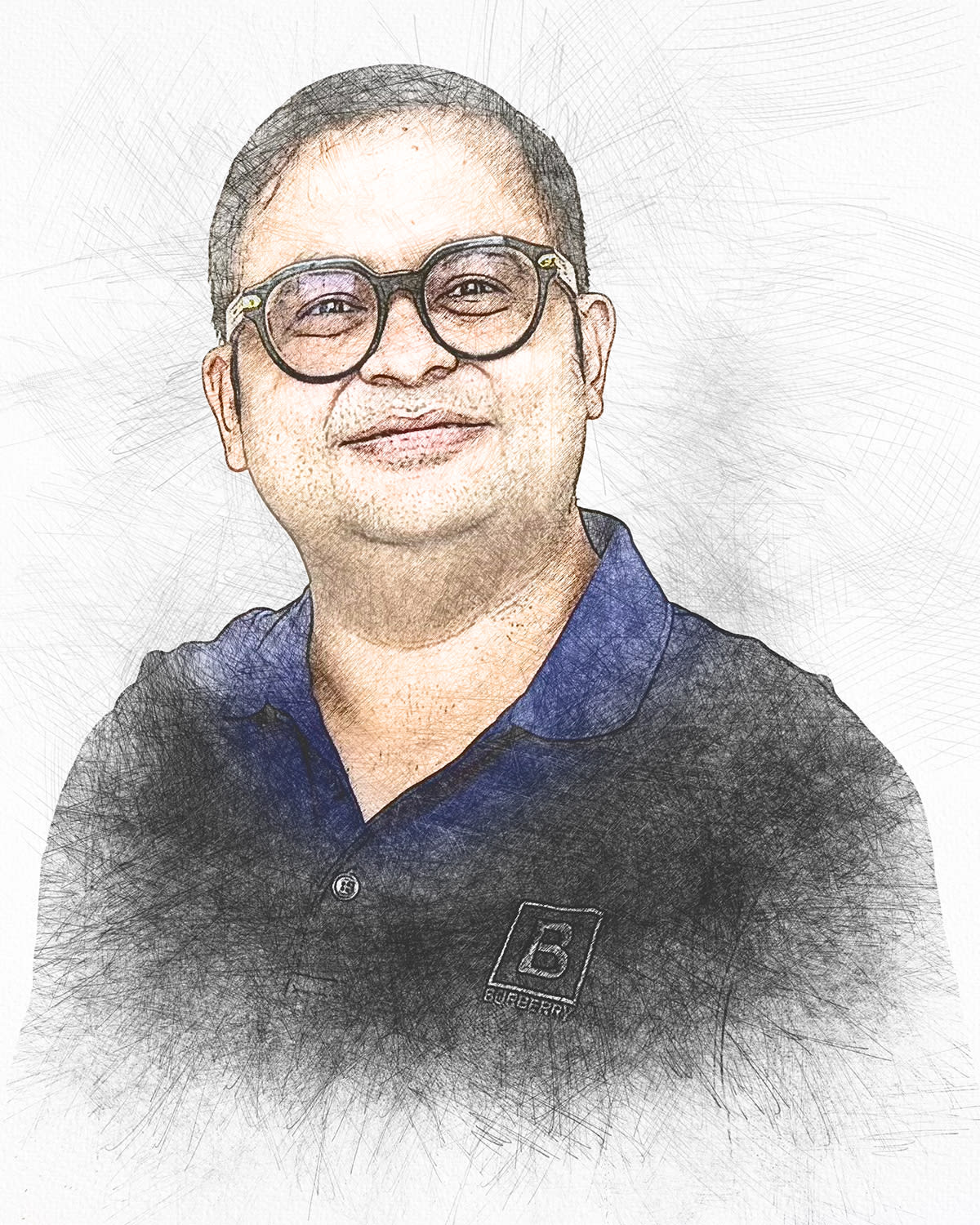
Aniket Deb, co-founder and COO of Bizongo, shares how the company revolutionised B2B e-commerce in India, overcoming early challenges and expanding into diverse industries like packaging, textiles, and pharmaceuticals. In this interview with Abraham Aby, Deb discusses the importance of transparency, adaptability, and building genuine relationships in business. He also highlights how India’s entrepreneurial landscape has evolved, especially in tier 2 and tier 3 cities, and offers key advice for aspiring founders.
Can you talk us through the origin story of Bizongo? What led you to develop this product?
In 2015, I noticed the rapid rise of B2C ecommerce in India. Platforms like Flipkart and Amazon were gaining traction, and even people 30-40 years older than me were buying cell phones online. This made me wonder: if consumer goods could be sold online, why not industrial products? What was stopping B2B ecommerce from taking off in India?
At the time, I wasn’t aware of global B2B models until I discovered Alibaba in China. I remember reading a report that said what Flipkart achieved in a year, Alibaba did in just 2-3 minutes on a single day. That statistic hit me hard. If Chinese SMEs and cross-border buyers in Europe and the US were using such platforms, why shouldn’t Indian SMEs have access to similar opportunities? Why should India lag behind?
This realisation led us to focus on B2B ecommerce. We saw that existing platforms in India, like IndiaMART, operated on lead generation models. Buyers would search for suppliers, receive quotes, and then negotiate offline. The process was opaque, with no transparency in pricing, quality, or logistics. Buyers and sellers were left in the dark, and trust was a major issue.
Our research confirmed this. I personally met around 1,000 SMEs, and their feedback was consistent: they wanted a more trustworthy, transparent platform. This gave us the conviction to build Bizongo. We knew that if we didn’t act, someone else would. The Alibaba revolution was coming to India, and we wanted to be at the forefront of it.
As for the co-founders, Sachin and I were batchmates at IIT Bombay. We started ideating together, and after a few months, we realised we needed someone with strong technical expertise. That’s when we brought in Ankit from IIT Delhi through a mutual friend. The three of us have been working together ever since, and we’ve never looked back.
What were some early challenges you faced, and how did you overcome them?
The biggest challenge was skepticism. When I approached SMEs with the idea of B2B ecommerce, most of them were dismissive. They’d say things like, “What is this B2B ecommerce you’re talking about? We’re happy with IndiaMART. Why do we need you?”
This feedback was disheartening, but it also reinforced the importance of confidence and conviction. I believe in a first-principles approach — breaking down problems to their fundamentals and building solutions from there. This mindset helped me stay resilient despite the setbacks.
You have to predict the future to some extent. If you believe in your vision, you can’t let negativity deter you. No one can control the future, so why not take a shot at shaping it? This belief kept me going, even when others doubted the idea.
Another challenge was educating the market. Many SMEs didn’t understand the value of a transparent, digital platform. We had to show them how Bizongo could simplify their processes, reduce errors, and save time. It was a gradual process, but over time, we gained their trust.
Bizongo serves diverse industries like fashion and pharmaceuticals. What challenges did you face in expanding across these sectors, and how did you overcome them?
We initially focused on the packaging industry because it was a $70 billion market growing at 16-18 per cent CAGR. The sector was fragmented, with many small, unbranded players. It was also highly customisable — buyers would provide specifications, and suppliers would produce accordingly. This allowed us to add value through design and customisation — designing packaging, incorporating branding, logo etc — which gave us higher margins. A high-margin business naturally attracts attention, and we positioned ourselves as a more profitable e-commerce player. That perception held true, strengthening our market presence.
As we scaled, we realised that transparency was a universal pain point across industries. Mid-sized companies, in particular, lacked sophisticated systems like SAP or Oracle. They relied on WhatsApp, email, and other informal channels to communicate with suppliers, which often led to miscommunication and errors.
For example, a clients placed an order for Diwali packaging two months in advance, specifying that he wanted the packaging in red. But when the shipment arrived, it was orange. The client had to recall 2 million units, which was a massive logistical and financial headache.
To address this, we pivoted from just designing packaging to providing supply chain transparency through software. Our platform streamlined the entire PO-to-invoice process, giving buyers and sellers real-time visibility into production, shipping, and quality checks. This transparency was a game-changer.
We also enabled working capital loans for vendors. By leveraging the transaction-level data on our platform, we could provide banks with the information they needed to offer loans to suppliers. This created a win-win situation: vendors got access to capital, buyers got reliable suppliers, and we strengthened our ecosystem.
Bizongo has received the Great Place to Work certification for 2023. How do you foster a positive company culture, and what challenges come with it?
At its core, everything is about people. Whether it’s technology or strategy, success depends on how you engage with and value them. At Bizongo, we never differentiated between seniors and juniors —everyone mattered. We treat everyone equally, regardless of their position in the hierarchy. This creates psychological safety.
One of the challenges with culture is that it’s subjective. Everyone interprets it differently, and there’s no one-size-fits-all approach. I’ve always believed respect should be based on character, not job titles or income. This belief shaped my interactions from college days — whether with auto drivers or restaurant servers — and carried into our company ethos.
We’ve had employees bring their families to the office. Newly married employees would introduce their spouses, and when they had babies, they’d share the news with us. This sense of belonging fosters positivity and spreads organically.
This approach has paid off. Employees feel valued, and that reflects in their work. The “Great Place to Work” certification is a testament to this. It’s not something we actively chased; it’s a natural outcome of the environment we’ve created.
How does Bizongo align with India’s Viksit Bharat mission?
I’m a strong believer in the Viksit Bharat mission. In 2015, initiatives like Digital India and Make in India inspired me to start Bizongo. These visions showed me that India could aspire to be a global leader, not just a follower. Over the past decade, we’ve seen significant progress. UPI, for example, has revolutionised digital payments, processing billions of dollars in transactions every month. By 2047, India aims to be a $30-50 trillion economy, and I believe we can achieve this by fostering innovation and entrepreneurship. I believe each of us has a role to play — entrepreneurs, students, alumni, faculty. It’s not about the scale of our contribution but our shared commitment. If we truly put “nation first,” the possibilities are limitless.
You’ve been a strong advocate for Mumbai as a tech hub, particularly through TEAM (Tech Entrepreneurs Association of Mumbai). How is the city evolving in that regard, and what role can Bizongo play in this transformation?
It’s not just Bizongo — everyone has a role in making Mumbai a thriving tech hub. TEAM isn’t simply urging entrepreneurs to set up here; we’re building a strong case for why it makes sense. Mumbai offers proximity to the stock markets, top business conglomerates, and a deep understanding of the Indian consumer psyche. Giants like Reliance, Tata, and Sun Pharma have mastered balancing profits and growth — something startups can learn from. The city fosters access to capital, strategic partnerships, and mentorship from industry veterans, making it an ideal place for innovation.
Beyond finance, Mumbai’s media and entertainment ecosystem is a major asset. For B2C businesses, influencer marketing and consumer outreach are easier to navigate here than anywhere else. The city also boasts a strong financial and legal infrastructure, critical for scaling businesses efficiently.
A few years ago, Mumbai struggled to attract top developers and engineers, but that’s changing. TEAM has worked actively to reverse the trend, bringing in talent and fostering new startups. Maharashtra still leads the country in startup numbers, and momentum is only growing. Entrepreneurs should recognise and leverage these efforts—Mumbai has everything needed to be a leading tech hub.
Startups face many critical decision-making moments; Bizongo too has pivoted multiple times. Can you share a key turning point where you had to make a tough call, and how it shaped the company’s future?
One of the toughest moments was during the first phase of Covid-19 when our revenue dropped by 95-98 per cent. With operations halted and survival uncertain, growth felt irrelevant. But instead of waiting it out, we took a different approach.
We reached out to packaging manufacturers struggling with declining orders and proposed they pivot to producing PPE kits, gloves, and respirators. This move put us at the forefront of supplying millions of PPE kits to institutions like AIIMS Delhi, earning government recognition for our contributions.
The key lesson? Listen to the market and adapt quickly. While traders were attempting to make massive margins — 200 to 500 per cent — we prioritised price transparency, keeping margins minimal while focusing on impact. This built confidence within our team and strengthened our business mindset.
That pivot also led us to explore new categories like textiles and agricultural commodities. It wasn’t an overnight shift but a gradual process of learning from market signals and making honest, informed decisions.
Do you think such initiatives played a big part in your CSAT and NPS scores?
Absolutely. CSAT (Customer Satisfaction) and NPS (Net Promoter Score) largely depend on how well you engage with customers. While our seamless platform contributed to strong scores, our real differentiator was being consistently available and responsive.
We held regular meetings every 15 to 30 days, involving different team members — sometimes me, sometimes colleagues from sales or operations. This consistency built strong client relationships. Whenever we noticed a dip in NPS, we tackled it directly, identifying and resolving issues promptly.
Our proactive approach and obsession with customer feedback were key drivers of our success.
You interact closely with startup founders through the Offline forum. The Lean Startup methodology emphasises experimenting and learning. How aligned do you think today’s startups are with this philosophy?
I strongly resonate with the Lean Startup concept, even though I haven’t read the book in detail. One major shift in the ecosystem is that founders are now more open to experimenting with growth-heavy models, even those not initially focused on unit economics.
During India’s early startup boom, there wasn’t enough data to determine which models deserved funding. But after a decade of investment cycles, it’s clear that some models will always need heavy cash inflows and may never turn profitable. Founders today recognise this reality much faster.
Being lean is no longer optional — it’s essential. Investors prefer startups that demonstrate financial discipline from day one. In our culture, money is seen as Lakshmi, something to be respected. Startups that embed this mindset and use capital wisely are the ones that sustain and succeed.
What are your thoughts on startups in tier 2 and tier 3 cities?
I come from Chandanagar, a small town about 60 km from Kolkata, so I’ve experienced that ecosystem firsthand before moving to IIT Bombay in 2008. Back then, success was mostly defined by exam results — there was little exposure to opportunities beyond academics.
But today, with social media and the internet, that mindset is shifting. We now see inspiring stories of people from even tier 4 cities making a mark. Cities like Hyderabad, Chennai, Jaipur, Indore, and Kolkata are witnessing real entrepreneurial growth. People are no longer just following traditional career paths — they’re building D2C (Direct-to-Consumer) brands, launching startups, and thinking beyond societal norms.
In 2008, cracking JEE or CAT was seen as the ultimate achievement. Now, it’s just the starting point. These are significant shifts, and they are opening doors for more people from smaller cities to shape India’s growing startup landscape.
What advice would you give to aspiring entrepreneurs navigating India’s startup ecosystem?
My key advice is to approach conversations with a genuine, agenda-less mindset. Whether you’re speaking to a junior in their career, a tea seller, or a senior government official, people respond better when they sense you’re there to learn, not just to get something.
If you go into a conversation with a transactional mindset, treating it like a grocery store transaction or a bargaining session, people may give you what you want, but they won’t respect you long-term. They won’t respond when you reach out later.
It’s crucial to approach everyone with humility, regardless of their position in the social or economic hierarchy. You never know who you’ll need down the line, and cultivating respect through authentic, agenda-free interactions ensures those relationships will last. This mindset has made a huge difference for me — it’s about being genuine and building meaningful connections for the long term.