


March, 2024
10 mins read
The Future Of Work Will Remain Ambiguous, Requiring Us To Develop Mechanisms To Navigate This Uncertainty
 30 Mar 2024
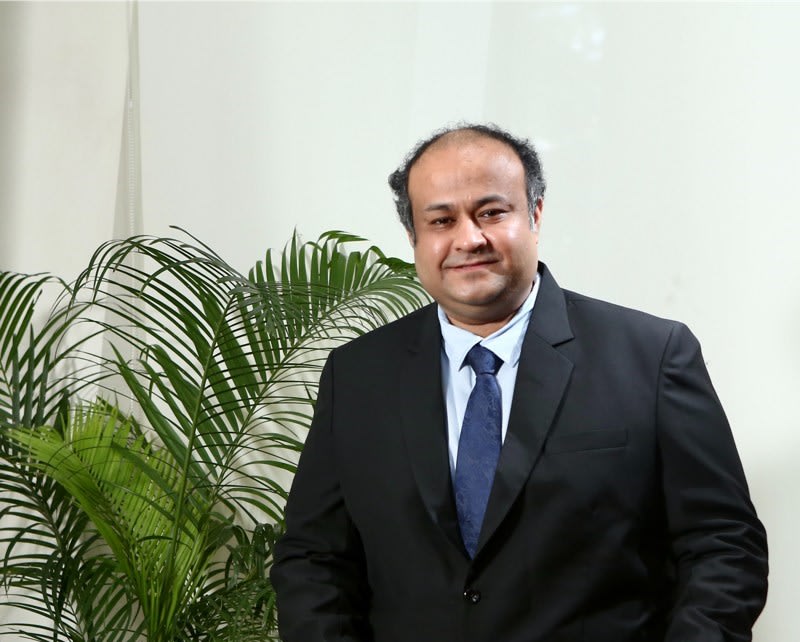
In recent years, the swiftly changing business landscape has presented unprecedented challenges, compelling HR to adapt and evolve rapidly. Against this backdrop, Sumit Neogi, an XLRI alumnus and Managing Director of Human Resources for the MEISA Region at FedEx, spoke to Afrin Pathan about the key changes and developments shaping HR strategies. Neogi emphasised the pivotal role of embracing flexibility and empowering managers to navigate changing work dynamics, aligning with the evolving needs of the workforce.
You’ve had a long career as an HR professional, serving different roles across industries. How has HR evolved over the years? What’s changed, and what’s remained consistent?
The evolution of HR has been remarkable, transitioning from traditional roles to strategic partnerships with businesses. Formerly known as personnel and admin, HR’s journey began after the 1920s, remaining industry-agnostic until the IT revolution of the 1990s. This marked a pivotal shift towards talent acquisition and development, which was further emphasised post-1991 with the rise of talent management. More recently, digitisation has been a game-changer, revolutionising processes, streamlining operations and enabling global support through digital centres. Today, HR is expected to align with business strategy, driving leadership and culture through innovative people strategies. While structures may vary, the core principles remain consistent across organisations, with HR partners and centres of excellence (COEs) leading strategic initiatives and transactional teams efficiently managing day-to-day operations in the digital landscape.
I’m excited about AI’s potential to transform HR processes, as machine learning promises significant enhancements in decision-making!
Do you find that the life and work of HR professionals today are relatively easier compared to when you began your career?
Throughout my journey as an HR professional, I’ve found that practical application and continuous learning have been key to my growth. While my initial knowledge came from institutes, it’s been the hands-on experience, interactions with seniors, peers, and fresh graduates, along with learning from failures, that have truly enriched my expertise. Digitisation has been a significant game-changer, particularly in managing employee databases and streamlining processes. However, it’s also brought new challenges, with employees often being more knowledgeable about HR practices. At my level, the focus shifts towards solving unique and complex people problems, presenting fresh challenges every day.
What are some of the most intriguing trends you’ve observed that are poised to shape the future of HR?
Digitalisation has revolutionised various aspects of our lives, from banking to grocery shopping, and HR is no exception.
The availability of HR services on apps is becoming increasingly essential in today’s tech-savvy world. However, what truly excites me is the potential of AI in transforming HR processes. While AI powered chatbots are still in their early stages, the prospect of machine learning significantly enhancing decision-making is promising. With AI, we can anticipate and predict outcomes more accurately, ultimately making our roles more efficient and effective. That’s where I see the future of HR technology heading, and I’m eager to explore its possibilities further.
How do you think HR contributes to cultivating a culture of innovation and agility within the organisation? This is especially important in light of the increasing reliance on technology, even though HR’s primary focus does not typically involve technology.
HR plays a pivotal role in embracing technology and fostering agility within an organisation. However, it’s essential to remember that change starts from within. Instead of striving to change the world, HR should focus on incremental improvements and adopting agile methodologies and digitalisation. Despite the advancements in technology, human interactions remain integral to HR functions. Our responsibility lies in nurturing talent and shaping the organisational culture in collaboration with the business. This involves identifying talent needs and making informed decisions to propel the organisation forward.
How do you, in your HR leadership role, manage to balance the needs of the business with the well-being and engagement of employees?
Employee well-being has evolved as a critical focus area in recent years, shifting from physical to mental health, particularly highlighted by the Covid-19 pandemic.
Engaging with employees directly on the ground, understanding their concerns, and serving as their voice has become paramount. In addition to annual engagement surveys, ongoing communication and active listening by HR professionals are vital. By understanding both the words and emotions of employees, HR can effectively represent their needs and concerns to decision-making forums within the organisation. This process fosters trust and enables leaders to make informed decisions that prioritise employee well-being while balancing organisational goals.
What advice would you give to the aspiring HR professionals who aim to make a significant impact on the business world?
Two key pieces of advice come to mind, especially for those starting their careers. First, recognise that you can’t change the world in your first year. Building credibility takes time and effort. Whether it’s through learning from credible mentors or applying your knowledge effectively, credibility is earned gradually. Second, remain humble. Just because you graduate from a prestigious institution doesn’t make you a superstar. Remember that success comes from continuous learning, seeking guidance when needed, and staying grounded. By embracing humility and focusing on building credibility, you’ll set yourself up for long-term growth and success in your career.
So essentially, understanding people is crucial, correct?
Think of it like sampling — you don’t need to understand the entire population to draw meaningful conclusions. By applying your concepts and analysing trends from a good sample, you can uncover valuable insights without forcing yourself into their shoes. Trust in your methods and observations to guide you towards understanding and solutions.
In the ever-changing business landscape, what key skills and qualities do you believe HR leaders need to thrive in their role? Additionally, what other values, apart from humility, do you consider essential for effective HR practice?
To excel in HR, two key values stand out: excellence and integrity. Continuously strive for improvement while upholding honesty and doing what’s right, even when no one is watching. These values align closely with XLRI’s ethos. As HR professionals, our role is to enable business success in a rapidly changing landscape. Understanding the business we support is crucial. While you don’t need to grasp every detail, knowing the product, raw materials, and operational costs gives insight into talent needs and how HR can contribute to business outcomes. Avoid the trap of disconnection by embracing financials and product management. Your clients rely on you to identify talent and deliver results, so make the effort to understand and contribute meaningfully.
Given the advancement of AI in HR tasks, do you think HR professionals need to have strong technological skills to remain relevant in the future?
The future indeed belongs to the digital natives, the millennials, who are already well-versed in technology. Unlike the past, where managers struggled with basic computer operations, today’s end-users are tech-savvy and drive technology adoption. However, successful adoption depends on bridging the gap between different generations’ comfort levels with technology. While older generations may not be familiar with app design, they should embrace app usage and encourage innovation. HR leaders must be willing to take risks and embrace digital transformation to stay relevant. Continuous learning and adapting to new technologies are crucial for success in the digital era.
How can HR actively participate in shaping and governing the implementation of AI within the organisation to ensure ethical and responsible use of technology?
First and foremost, ensuring data protection is paramount when integrating AI and technology into HR processes. HR should collaborate closely with IT to safeguard personal data, adhering to a standardised approach across all countries of operation rather than implementing separate policies for each region. It’s essential to define what constitutes personal data, obtain proper permissions, and store data in encrypted formats to prevent unauthorised access. However, organisations must strike a balance between data protection and accessibility to avoid over restricting access for analysis purposes. Regarding AI, while its capabilities are continually evolving, there is a need for caution. There is a concern about AI’s potential to behave unpredictably if it gains access to large datasets and starts making decisions autonomously. In such cases, businesses should be prepared to intervene and shut down AI systems if necessary. Regular monitoring of algorithms governing AI processes is crucial to ensure they remain aligned with organisational objectives and ethical standards. Collaboration between HR professionals and other stakeholders is essential to address these concerns and ensure responsible AI usage.
What are your thoughts on future of work and how do you think HR should adapt to prepare for the evolving workforce landscape?
Understanding the evolving requirements of the business and the preferences of future talent is crucial for shaping the future of work. Gone are the days when employees would join a company and stay until retirement; today, employees often retire early or seek new opportunities sooner. Therefore, organisations must adapt their processes and remain flexible to meet the changing needs of both the business and the workforce. Flexibility is key, not just in terms of workplace arrangements but also in creating roles that align with the skills and preferences of emerging talent. While some industries, such as manufacturing, may require onsite personnel round the clock, others may have roles that can be performed remotely. However, remote work presents challenges in fostering social connections and maintaining organisational culture, which need to be addressed. The future of work will remain ambiguous, requiring organisations to develop mechanisms to navigate this uncertainty. Building the capability of people managers to lead flexible teams is essential. Instead of relying solely on HR guidelines, managers must be empowered to make decisions that align with the needs of their teams and the broader organisational goals. By fostering adaptability and empowering managers, organisations can better navigate the complexities of the evolving workforce landscape.
Do you think the post-Covid era has significantly changed organisations, especially considering the shift towards remote work and flexible policies? Previously, we never had the concept of work from home, and post-Covid, employees are quite reluctant to return to work from office.
It’s fascinating to observe how attitudes toward remote work have evolved amid the pandemic. When the lockdowns ended, only a small percentage of employees expressed a desire to return to the office, with the majority preferring to work from home. However, as time passed, there has been a notable shift in these preferences. According to a survey conducted by a renowned organisation, the percentage of employees eager to return to the office has increased significantly. While a sizable portion still prefers remote work, there is a growing trend of employees wanting to go back to the office environment. This shift underscores the importance of flexibility in accommodating diverse preferences within the workforce. As organisations navigate this transition, it’s crucial to strike a balance between enabling remote work and fostering a collaborative office culture. Moreover, the emphasis should not solely be on implementing digital tools to track productivity. Instead, empowering line managers to assess productivity based on individual team dynamics and goals can be more effective. By trusting managers to make informed decisions regarding remote work arrangements, organisations can better align with the evolving needs of their workforce while maintaining productivity and engagement levels.