


October, 2024
7 mins read
Understanding Consumer Behaviour Starts on the Streets
 30 Oct 2024
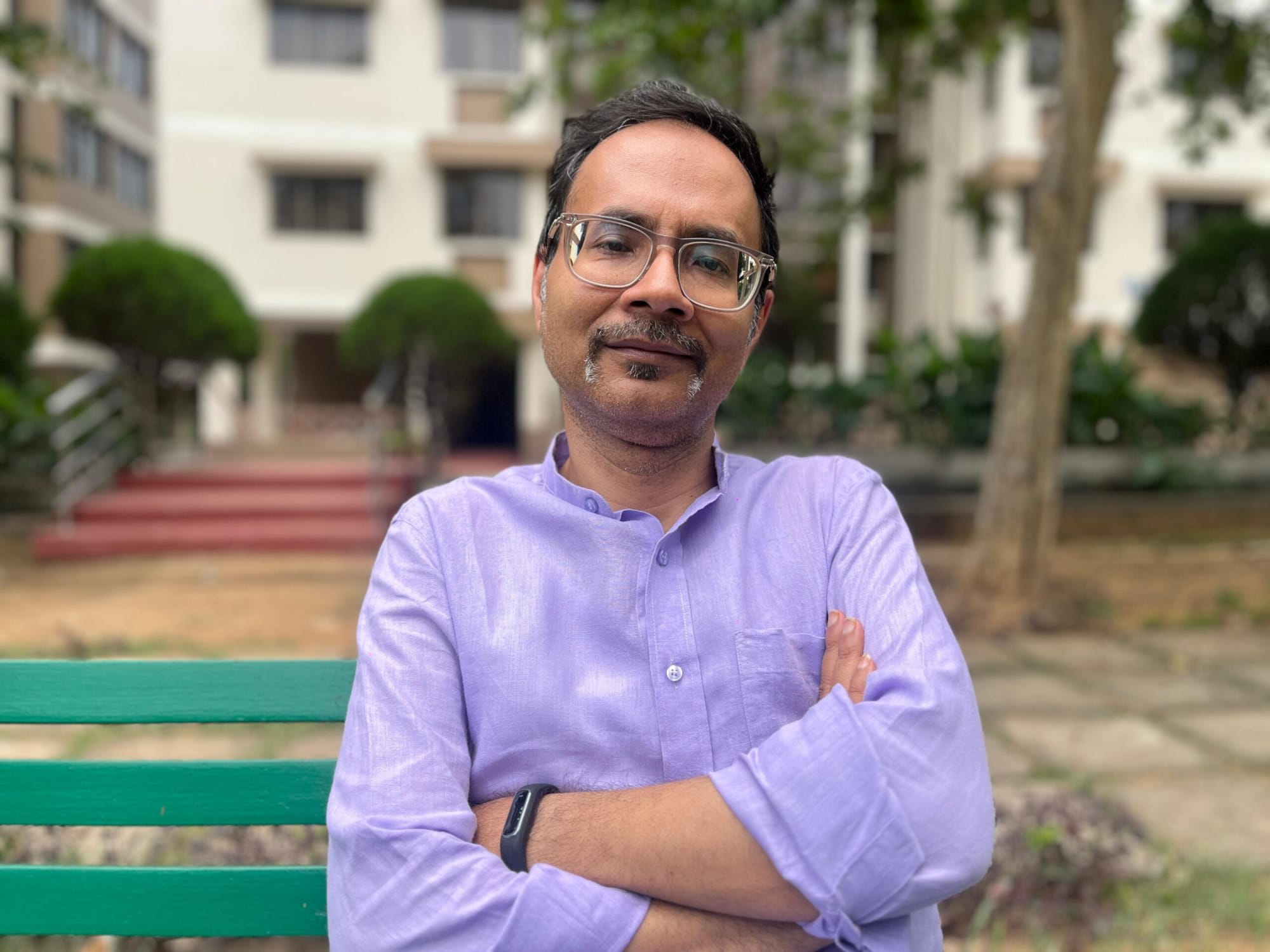
Himadri Roy Chaudhuri, Professor of Marketing at XLRI Jamshedpur, brings over two decades of academic expertise enriched by a prior career in esteemed advertising agencies. With this blend of academic prowess and advertising savviness, he champions experiential learning in his classrooms. From the streets to scholarly research, he explores how these insights shape modern marketing strategies. Kaushik Ghosh and Ojasvin Nagpal discuss his perspectives on this engaging journey.
You have an extensive career that spans both academia and advertising agencies. How has this professional journey shaped your approach to teaching and research in marketing?
Although advertising may not be a popular career choice for many in my generation, I have always been passionate about working in the field. I am in academia because of my strong interest in the practice. I used to have so many questions about how advertising worked and what it was like that I felt a career in academia was the only way to get the answers. There weren’t many academic options available at the time, and the competition was fierce. Nevertheless, I believe the effort was worthwhile. My three years in the advertising industry taught me the value of hard work, creativity, and thinking outside the box, in addition to the significance of devotion to one’s job.
Your research focuses on consumer lived experiences and consumption phenomena. How do you integrate these concepts into your teaching methods?
That’s an intriguing question. Anyone who has taken my Principles of Marketing classes understands the importance of responsible marketing. We explore customers’ experiences extensively. I believe that marketing is best taught on the streets and in the homes of customers. I often assign live projects that require interaction with customers and stakeholders — this is the first step towards consumer-centric decision making. Many of the concepts I teach in class are rooted in a long legacy of consumer culture research, but I make them accessible and relevant to future leaders in the field.
Could you share some insights into the evolving area of consumer research, particularly marketisation, and its relevance in today’s market landscape?
Marketing is a constantly evolving subject that involves more than just transactions and relationships within a market. It’s not as simple as thinking that all interactions between people can be “managed” (for business purposes). Marketing studies and applies how people engage in transactions. Consider the various types of transactions that come to mind; each might require a very different approach to marketing and selling. However, there are significant negative aspects of marketisation, which involves legitimising market processes and transactions for profit. Tomorrow’s managers must understand how to operate within the market for the “greater good.”
As a cancer survivor, you actively campaign for organ donation and sustainable consumption. How do you incorporate these advocacy efforts into your academic work and teaching?
That is indeed a personal question. While I prefer to move forward from that experience, I want to emphasise the importance of contributing positively to society and supporting others. This advocacy aligns with the evolving concept of responsible marketing, which I teach. Many health issues arise from irresponsible consumption, pollution, and unsustainable lifestyles. We are consuming our way to destruction, and addressing these issues in our teachings and practices is crucial.
Could you discuss your current research projects exploring issues of marginalisation, gender identity, rehumanisation, and dirty work? How do these topics contribute to our understanding of consumer behaviour?
Marketing is a layered concept and a humane study of human behaviour in transactions. I try to take an unorthodox look into areas of transaction that are not often mainstream and remain overlooked in regular experiences. This endeavour provides me with a unique perspective on the everyday lives of people.
You’ve been actively involved in organising conferences and workshops. What are the key takeaways you hope participants gain from these events, particularly in the context of marketing and consumer culture?
As I often say, I am a student of human behaviour. Conferences are a great place to meet people with diverse ideas and backgrounds. One of the best perks of academia is attending and organising conferences and being fascinated by expressions of creativity, regardless of the discipline.
With your experience as an examiner for doctoral research, what advice would you offer to aspiring researchers in the field of marketing, especially those pursuing their PhDs?
Evaluating a thesis is similar to any other examination; specific criteria must be used to judge the work. For those who are passionate and derive more pleasure from their work than from material things, research is a rewarding journey. While this may be true for many professions, academia particularly excels in valuing passion over possessions.
You’ve won several best paper awards and actively contribute to the field of consumer culture studies. What advice would you give to MBA students interested in publishing their research in peer-reviewed journals?
There have been many instances where students have made significant academic contributions. However, I feel that the MBA curriculum in its current form doesn’t fully support research based education, which can limit opportunities. Nonetheless, students can pursue their research ambitions by collaborating with other scholars.
Could you share your thoughts on the role of technology in shaping consumer behaviour, particularly in the context of emerging markets like India?
Many things we do today would not be possible without technology. The impact of technology goes far beyond the common understanding of terms like IoT. Technology underpins everything we use. However, we need to carefully consider how we use technology and its long-term implications. If we blindly adopt Western practices, we risk losing our cultural diversity and may face sustainability issues in the long run.
As a member of the Macromarketing Society, what emerging trends or challenges do you see in the field of marketing, and how do you think educators can address them in their teachings?
Macromarketing is a branch of marketing that has evolved significantly over the past 40 years. It looks at how markets affect society as a whole and how society affects markets. Much of what I discuss comes from the extensive history of macromarketing studies, which delve into areas such as technology, consumer behaviour, gender issues, and more. One of the most intriguing concepts in macromarketing is “wicked problems,” which refer to complex issues where vice and virtue intersect. These topics are frequently introduced in my classes to help students understand the broader implications of marketing practices.
How do you balance your academic responsibilities with your personal interests in travel, history, and culinary practice? Do you find any intersections between these hobbies and your academic pursuits?
For me, hobbies remain hobbies. I cook not only because I enjoy it, but also to ensure I have quality meals. Cooking is something I took up while working long hours in the industry. From simple, time-saving meals that save money and keep you healthy to more intricate and complex menus, the journey has been long and enjoyable. I generally keep my hobbies separate from my professional interests. However, meeting new people and experiencing different cultures is always exciting and provides food for thought.
Finally, what advice would you give to MBA students aspiring to pursue a career in marketing, considering the dynamic nature of the industry and evolving consumer trends?
You are intelligent enough to read the writing on the wall. The geopolitical situation in India is changing rapidly, and you need to stay alert to keep up with shifting consumer preferences. A good marketer is shaped by real world experiences and observations. Don’t shut your eyes and ears to what’s happening around you.