


August 2024
5min read
Brainwaves and Buy Buttons: The Magic of Neuromarketing
 27 Aug 2024
This article delves into the fascinating world of neuromarketing, exploring how subconscious brain activity influences consumer decisions. It examines scientific methods used to study consumer reactions to product changes and highlights the impact of emotional branding. The article also discusses the ethical considerations of using neuroscientific techniques in marketing and urges consumers to be mindful of the psychological influences behind their purchasing choices.
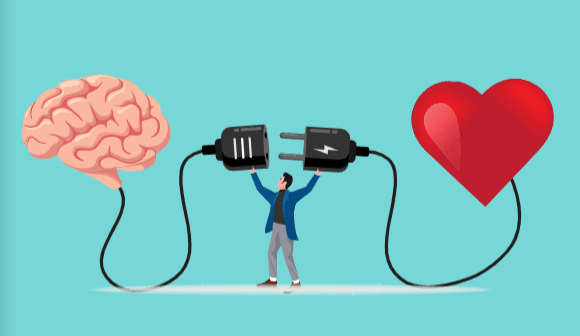
Have you ever wondered why you take a gym membership but never go to the gym? Or why you rush to Zara to buy the latest trendy outfit for fear of the stock running out? You claim to care about sustainability, but does that reflect in your buying decisions?
The reason for this dissonance is that humans are irrational beings, and our consumer decisions are heavily influenced by our subconscious or reptilian brain. We think we know the reason for buying a product or service, but 95% of the time, we are unaware of the subconscious reasons.
We often toss economic rationality aside and are willing to pay more for the same thing at times.
Unlocking the Reptilian Brain.
As a marketer, it’s essential to understand how to tap into the reptilian brain of consumers. Consumer habits can be forecasted by observing customers scientifically. Just like in science experiments, customer reactions to product changes—such as taste, aroma, packaging, or other visual cues—can be tested in a lab.
Techniques like pupillometry (measuring pupil dilation) can gauge visual interest, skin conductance response can measure the intensity of emotion, and heart rate can indicate engagement levels. Eye movement measurement, facial coding, body temperature, and brain waves also reveal consumers’; innate desires. Marketers invest millions of dollars in branding and advertising, which often fail to create desired results. Investing in neuroscientific technologies can make sense since they considerably reduce risk.
For example, an MRI machine was used to scan the brain activity of Apple and Samsung users as they reacted to the brands. It was found that Apple users’ brains reacted to their brand as they would to a family member, invoking positive emotions. On the other hand, Samsung users had a neutral response to their brand, with a reverse empathy for Apple.
Branding Brilliance
Products are made in the factory, but brands are created in the mind. We resonate and relate to brands the same way we relate to people. When our relationship with a brand deepens, we identify with it like family and even defend it if someone attacks it. Based on the brands we choose, we create an identity for ourselves. For example, showing affiliation to sports via Nike, which stands for performance, or Under Armour, which stands for the underdog.
Marketers use emotional branding, telling emotional stories via ads often unrelated to the product but designed to strike a chord in our minds, releasing oxytocin. They also use pricing techniques like charm pricing, decoy pricing, and the anchoring effect to alter our perception of prices. Since 90% of the information we take in is through our eyes, marketers alter product design to appeal to the visual senses of target consumers. Often, they create false scarcity, such as limited edition or stock, to prompt immediate purchases.
Balancing Innovation with Ethics
Although neuromarketing adds a scientific flavor to the marketing research mix, many consumers consider it unethical, equating it to tapping into the private data of our minds and violating customer trust. Consumers must ask questions: Is it manipulative? An invasion of privacy? Taking advantage of the vulnerable? Breaking our autonomy?
The harsh reality is that due to the abundance of choices, customers often face paralysis analysis, where they cannot make decisions due to overthinking choices. In this situation, marketers help consumers make decisions via neuromarketing, ultimately keeping them happy. Moreover, insights derived from neuromarketing can optimize health and safety messages, ensuring people pay attention and comply.
As consumers, it is our responsibility to be aware of how our brains are being influenced. We should pause and think: Why am I buying this?