


August, 2025
8min read
CSR That Walks the Talk
 30 Aug 2025
In an era of flashy promises, true CSR is quiet, consistent, and committed — long after the cameras leave and the headlines fade
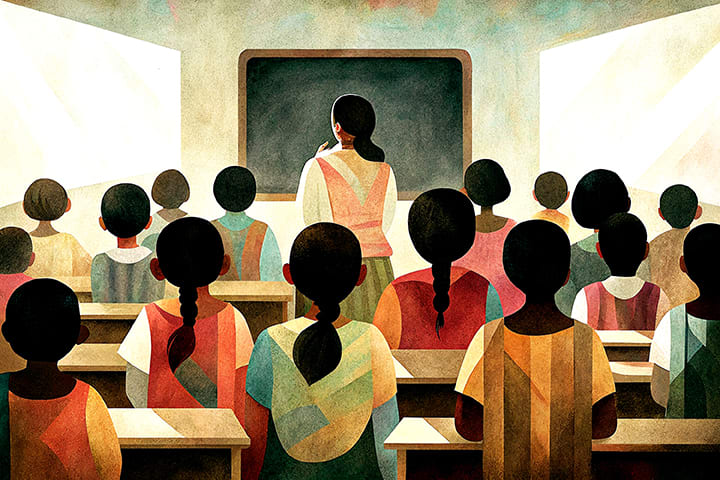
In a world where impact is often measured in headlines, the real work lies in building trust, sustaining relationships, and walking alongside communities long after the cameras leave.
These days, it’s easy for a company to look responsible. One well-shot video of a tree-planting drive, a few smiling employees at a school cleanup, and a heartwarming caption about “giving back to the community” — and the story is out. But once the camera turns off and the post has done its rounds, what really happens? Does the work continue, or does the commitment end with the applause?
This is where we need to talk about greenwashing, a word we’re hearing more often — and for good reason. It’s when a company spends more time and money saying it’s doing good than actually doing good. It’s when sustainability becomes a marketing tool, not a mindset. It’s a problem, not just because it’s dishonest, but because it takes attention away from the real work: work that is slow, unglamorous, and often invisible, but truly transformative.
The Greenwashing Problem: Big Promises, Shaky Truths
Across industries, there’s been a rise in promises. Promises to be carbon neutral. Promises to empower women. Promises to support education, health, and the environment. Some of these promises are kept, but many aren’t.
According to the Changing Markets Foundation, 60 per cent of fashion brands’ “sustainability” claims were found to be misleading. In another study by the European Commission, nearly half of all green claims made by companies were exaggerated or just plain false.
The consequences are real. When CSR becomes about perception instead of purpose, it loses its soul. It turns communities into PR opportunities. It treats impact like a checkbox. And most of all, it breeds distrust among consumers, employees, and partners who are increasingly tired of empty promises.
What Authentic CSR Looks Like
But there’s another way. Real CSR is different. It’s not loud; it doesn’t need to be. It doesn’t end with a post or a press release. It shows up quietly, consistently, and with care. It listens more than it speaks. It asks communities what they need, instead of telling them what’s best.
A company practising authentic CSR doesn’t just donate during disasters — it works with vulnerable groups before and after. It doesn’t just hire women; it makes the workplace safe, inclusive, and growth-oriented for them. It doesn’t just talk about going green; it overhauls its systems, supply chains, and priorities, even if it means taking a harder route.
Take Hindustan Unilever’s Project Shakti, a programme that trains rural women to become entrepreneurs by distributing products in their villages. It’s smart business, but also a long-term commitment that gives women income, confidence, and community standing. No flashiness or gimmicks, just authentic change that lasts.
Compare that to one-off CSR events that get media attention but are never followed up: sanitary pad donations with no education, tree-planting drives where no one waters the saplings, or campaigns about saving water run by companies polluting rivers. The disconnect is obvious — and people are noticing.
Today’s consumers, especially young ones, care about who they’re buying from. They read labels. They ask questions. They boycott brands that fake it. In a Nielsen study, nearly three-quarters of Gen Z said they’re willing to pay more for products from companies that are socially and environmentally responsible. But they can also spot when it’s just a marketing tactic.
That’s why transparency matters. Companies that are serious about CSR don’t hide behind vague words. They share numbers. They talk about what went wrong, what they’re still learning. They open their doors to audits and feedback. They treat CSR not as a side project, but as part of how they do business every day.
From Obligation to Ownership
Change is already happening. Governments are stepping in. In India, for example, companies are legally required to spend a percentage of their profits on CSR under the Companies Act, 2013. But even with that mandate, the real shift will come when companies stop treating CSR as something they have to do — and start seeing it as something they get to do.
Because at its heart, CSR isn’t about charity; it’s about responsibility. About making sure that while your business grows, so do the people and places around you.
CSR that stays after the spotlight isn’t always easy. It’s slow. It’s imperfect. It doesn’t always look good on a billboard. But it builds trust. It creates real, lasting value. And in a world tired of empty promises, that’s what people are looking for.