


January, 2025
5min read
Dynamic Pricing on the Menu: Fair or Foul?
 06 Feb 2025
Can dynamic pricing reshape the food industry without compromising trust or ethics? Explore its promises, pitfalls, and potential to balance innovation with humanity.
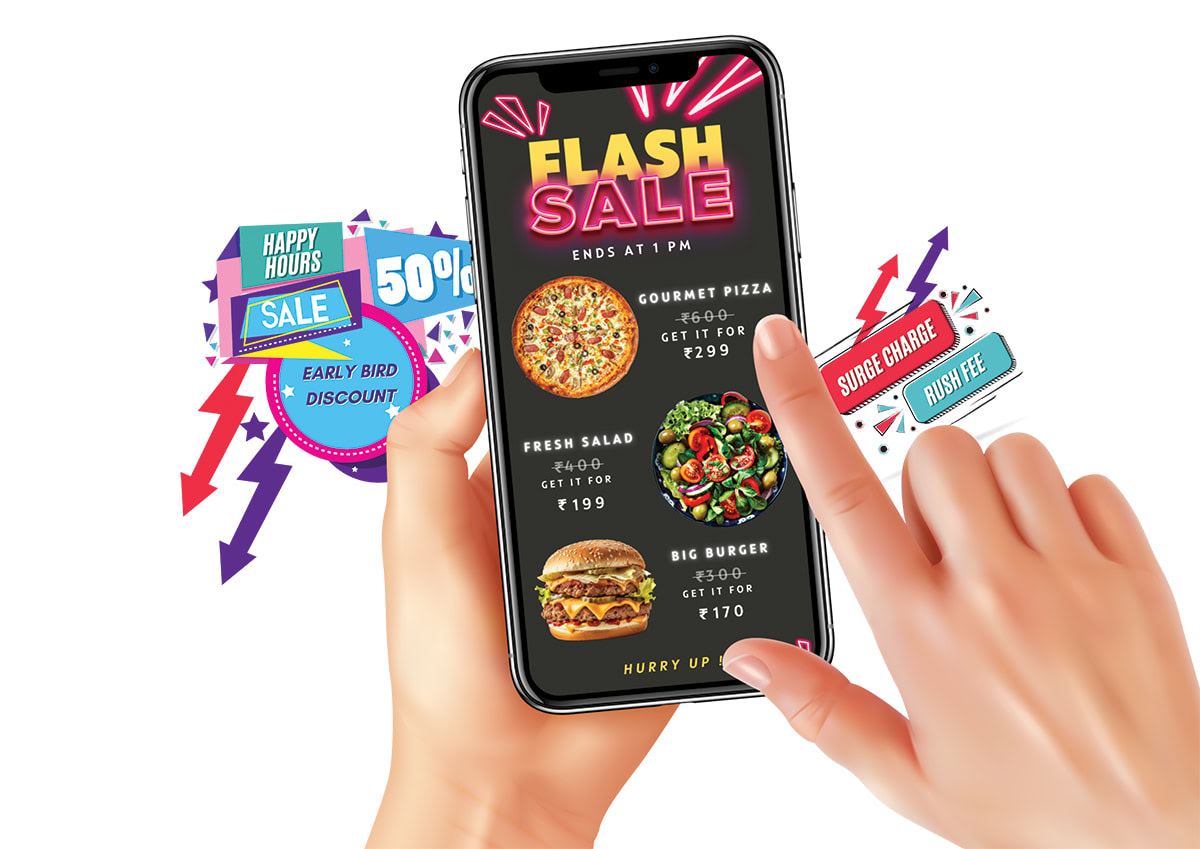
Food is not just fuel but culture, tradition — an emotional anchor for billions. Unlike products in the travel or tech industries, where dynamic pricing is thriving, food is a basic human need. Dynamic pricing — the art of adjusting prices in real time according to demand, supply, and market conditions — has turned industries upside down, from airlines to e-commerce. But can it really take hold in food, where ethics, survival, and culture are so inextricably linked?
Dynamic Pricing: A Double-Edged Sword
Dynamic pricing is hardly new. The airlines pioneered it back in the 1980s by showing just how price elasticity can balance demand and supply. Then, ride-hailing apps like Uber followed suit and gave the modern lexicon “surge pricing.” Even Amazon uses it to outsmart competitors, reportedly changing the prices of its products millions of times a day. But food, being such a deeply personal and essential commodity, presents some unique challenges.
Consider food delivery platforms like Zomato and Swiggy in India. The platforms already resort to dynamic pricing during peak hours, where they charge high delivery fees in crowded time slots or offer discounts in lulls. Grocery chains like Amazon Fresh or BigBasket adjust their prices according to the quantity of items in stock or their freshness. Yet, as these experiments unfold, they raise pressing questions: Are we ready to pay varying prices for something as basic as food?
The Promise: Flexibility and Revenue Optimization
From a business perspective, dynamic pricing offers tantalising benefits. Allowing menus to reflect real-life operational realities, restaurants charge more for a prime dinner slot, much like a Broadway show charges a premium price for its best seats. Conversely, off-peak slots can offer discounts to boost footfall when tables typically sit empty.
It doesn’t hurt grocery retailers either. Consider, for instance, perishables such as fruits, vegetables, or bakery items. Dynamically pricing products based on approaching expiration dates would help businesses reduce food waste by appealing to budget-conscious shoppers. Apps like Flashfood in Canada have already created a successful model by offering consumers surplus inventory at discounted rates.
Even sustainability narratives benefit. Imagine incentivising customers to order during low-demand hours, reducing delivery emissions by grouping orders efficiently. Such strategies align with broader environmental goals, offering a win-win scenario for businesses and consumers alike.
The Pitfalls: Trust and Ethics
But dynamic pricing in food is a minefield. Food is not a luxury like an airline seat or a concert ticket; it is a staple. Surge pricing during festivals or emergencies — situations where demand for food soars — could go horribly wrong.
Consider the 2020 pandemic, when e-commerce platforms faced criticism for exorbitant pricing on essentials. In the US, Instacart’s pricing adjustments during lockdowns drew ire for exploiting vulnerable shoppers. A similar backlash could emerge if dynamic pricing is perceived as profiteering, particularly in countries where food security remains a sensitive issue.
Trust is yet another battlefield. Much of the food industry exists in relation to trusting relationships, and dynamic pricing can break that trust. Imagine a scenario where consumers find themselves paying significantly different prices for the same carton of milk or loaf of bread, simply because they shopped at a different time of day. Without clear communication and minimum transparency, such practices are sure to cause frustration and even mistrust.
Can Dynamic Pricing Find Its Sweet Spot?
Not all is gloom and doom, however. There are ways to fit dynamic pricing into the food industry without driving customers away. How? Balance practicality with transparency. For example, Domino’s Pizza in India makes delivery charges for peak hours very clear, positioning them as a “rush fee” rather than a surreptitious charge. This transparency gives customers a sense of control, even when the price does change. For dynamic pricing to be successful in the food industry, businesses must also follow suit in making the thought process behind price changes transparent and explainable.
A Global Perspective
Looking beyond India, dynamic pricing is already shaking things up in some surprising places. In South Korea, the leading grocery chain eMart employs dynamic pricing on fresh produce as it nears the end of its shelf life. The customers get notified on their apps when such items go into a sale mode, generating a sense of urgency and rewarding loyal users.
Even fast-food chains like McDonald’s get into the action. In some regions of the US, McDonald’s has dynamic pricing on delivery apps such as DoorDash, where prices are higher during peak hours but are deeply discounted when orders slow down.
What works here is psychology. Consumers are more likely to accept dynamic pricing when it feels optional. It’s the difference between paying `50 for a cheeseburger at 3 pm because it’s “Happy Hour” versus being forced to shell out `80 for the same burger during dinner. The former feels like a reward; the latter, like exploitation.
The Path Forward: A New Consumer-Industry Contract
So, can dynamic pricing survive the food industry? It can, but it’s going to take a rewrite of the playbook. First up: transparency. Instead of surreptitiously changing the prices, why not tier the pricing into categories like “Early Bird Specials” or “Late Night Savings”? Consumers are far more forgiving when they know what they’re signing up for.
Finally, there is room to incline towards value-based pricing. Upscale bakeries can increase prices by using dynamic pricing for premiums promised on quality and exclusivity. Would you pay more for freshly baked croissants at 6 am versus afternoon leftovers? Many people would; it’s just that they don’t position that as dynamic pricing.
Dynamic pricing isn’t just a technical shift; it’s a cultural one. For the food industry to thrive under this model, it must transform consumer relationships from transactional to collaborative. By using pricing as a tool to reduce waste, reward loyalty, and enhance experiences, businesses can reframe this strategy as a win-win.