


November 2024
3min read
From Niche to Phenomenon: The Unstoppable Rise of Esports
 28 Nov 2024
Esports, or electronic sports, have transformed from niche competitions into a mainstream entertainment powerhouse. With millions of fans and global recognition, this sector continues to challenge traditional sports for the spotlight.
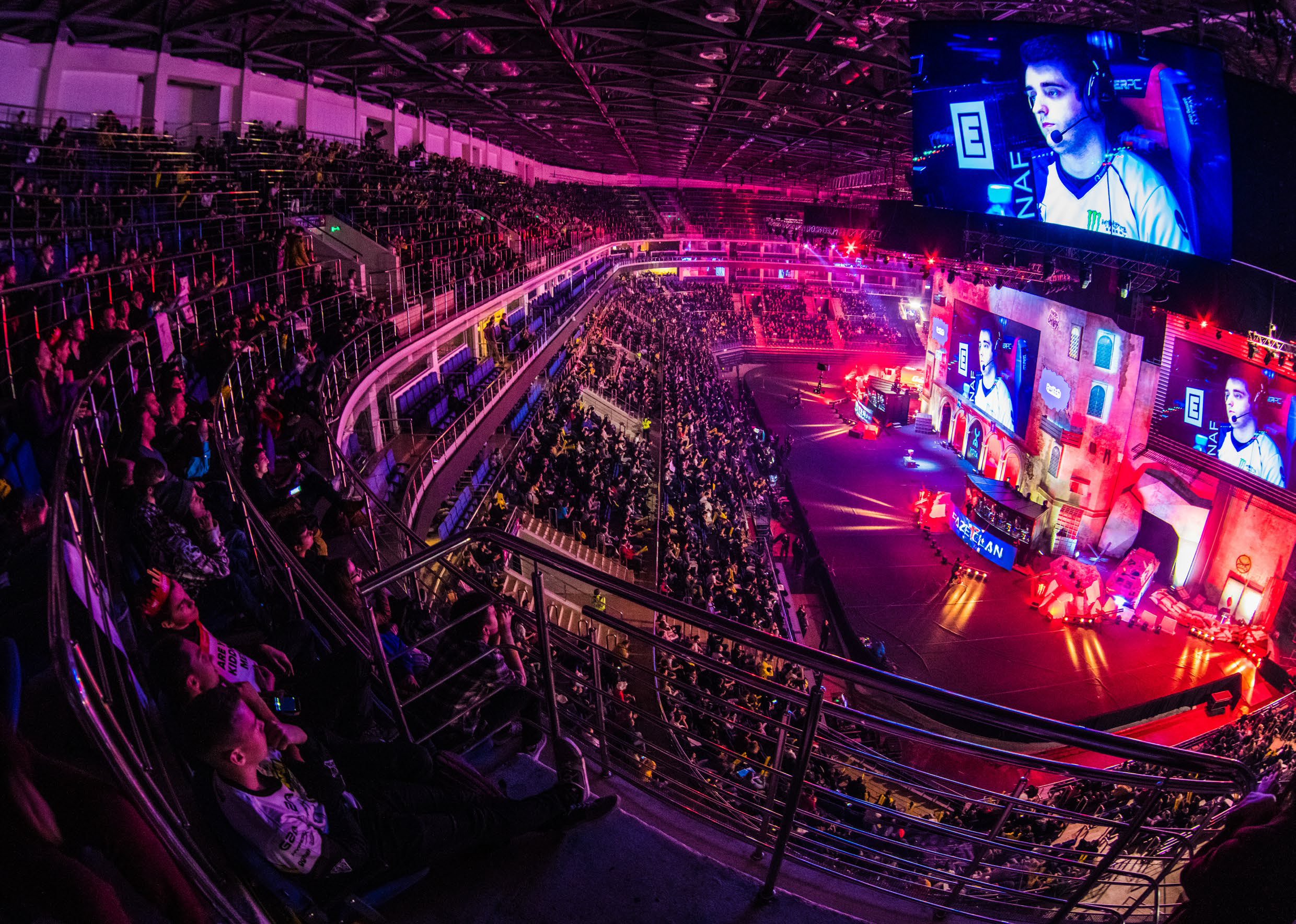
The COVID-19 pandemic was a major catalyst for this shift, placing esports at the forefront of global entertainment. Social distancing measures spurred unprecedented online engagement, and esports emerged as one of the few platforms attracting significant viewership and participation. With traditional sports halted and people confined indoors, the gaming industry experienced a surge in both viewership and participation. Esports audiences worldwide expanded from 395 million in 2018 to an estimated 646 million by 2023. Platforms like Twitch and YouTube reported record-breaking figures, with Twitch alone witnessing 43 million hours of content consumed in a single day in March 2020. This surge in engagement brought substantial revenue, with the global esports market projected to reach $2.39 billion by the end of 2024, highlighting a new economic significance and growing brand interest.
This rapid expansion spurred investment in esports infrastructure, teams, and technology. With live event venues shut down, brands sought ways to connect with tech-savvy audiences. Major companies, including Coca-Cola, BMW, and Intel, contributed significantly to the revenue growth and professionalisation of the ecosystem. By 2021, sponsorship revenue had surpassed $600 million.
From being a pastime to a full- time career during the pandemic, professional gaming evolved with new roles such as shoutcasting, analysis, content creation, and coaching. PwC estimates the global gaming market will be valued at $320 billion by 2026, further cementing esports as a mainstream career option. This shift opens doors for younger generations who might not have considered a future in competitive gaming. A survey revealed that 63% of fans under 17 increased their interest during the pandemic, and 42% of those aged 25–34 did the same.
As esports gained popularity, so did the level of competition. Better- funded professional teams equipped players with state-of-the-art training facilities, fitness programmes, and equipment. Increased prize money and sponsorships encouraged full-time training, enhancing the sector’s quality and professionalism. For example, India’s Orange Rock secured second place in PMWL 2020, and Global Esports featured Indian players on the global stage in Valorant.
Esports has transcended entertainment, earning legitimacy with global recognition. A milestone was reached when the International Olympic Committee announced the Olympic Esports Games, with the first Olympic Esports Week set for 2025 in Saudi Arabia. According to IOC President Thomas Bach, this move reflects a commitment to stay abreast of the digital revolution. It also underscores the growing appeal of esports, particularly among Gen Z and Millennials, who increasingly favour gaming over traditional sports.
Despite its rapid ascent, the esports industry faces significant challenges. One of the primary concerns is the lack of standardisation across countries, resulting in inconsistent player treatment and prize distribution. Health issues—both physical and mental—arise from intense training and pressure to succeed. Balancing competitive integrity with monetisation is another challenge; sponsorships, a major funding source, can sometimes compromise the authenticity of the competition. Furthermore, the industry must navigate evolving regulations, especially concerning gambling and age restrictions for younger audiences.
The COVID-19 pandemic accelerated esports’ rise, transforming it from a niche segment into a global entertainment leader. With millions of fans, robust corporate sponsorships, and imminent Olympic inclusion, esports continues to mature. To sustain its growth, the industry must address its challenges and adapt to its audience’s expectations. Esports is on track to supplement, rather than replace, traditional sports, reflecting the digital era’s shift towards interactive and participatory entertainment.