


May, 2025
3min read
From Primetime to Reels
 27 May 2025
As TV spots and hoardings make room for Instagram stories and influencer shout-outs, brands are rewriting the rules of connection in the digital age.
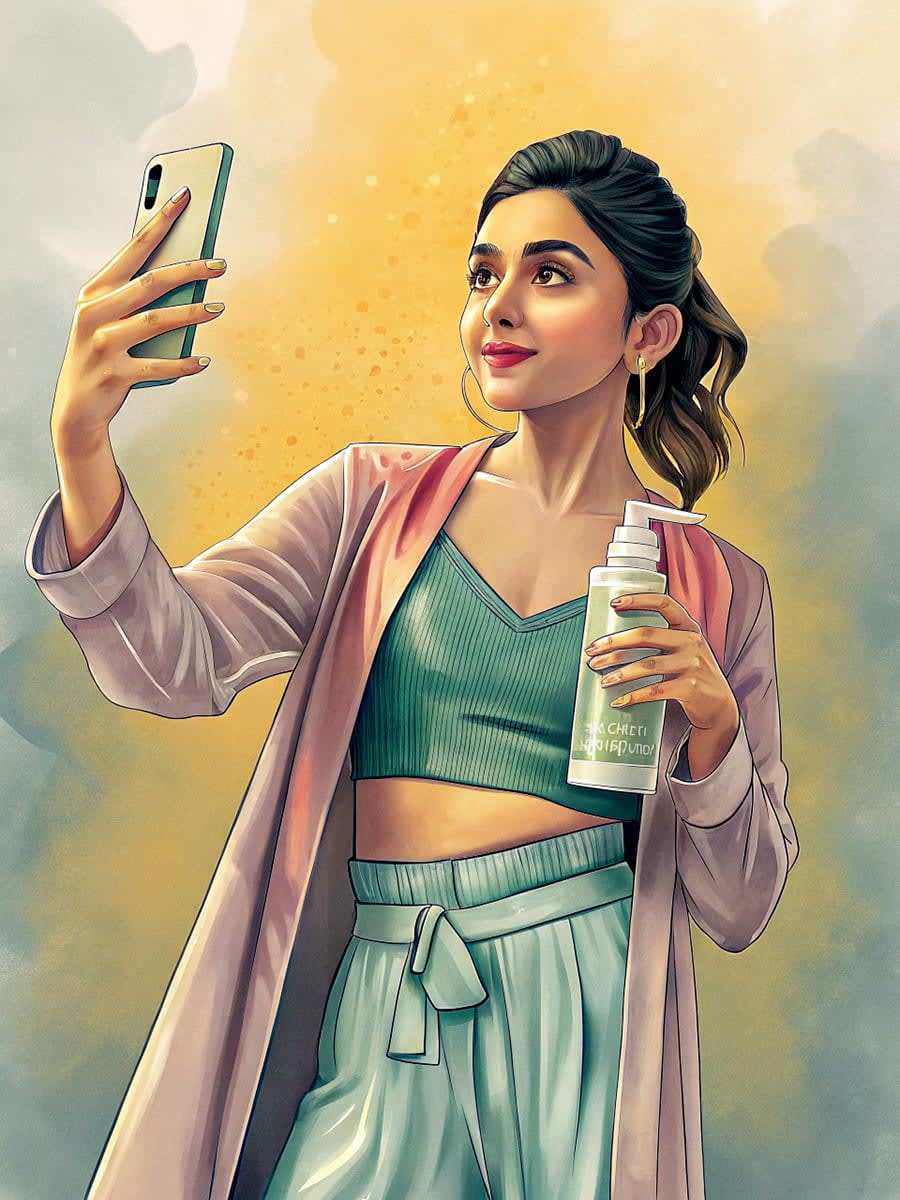
In the ever-evolving marketing world, brands constantly seek innovative strategies to connect with their target audiences and drive sales. With its mass reach and brand storytelling capabilities, traditional advertising has long been a mainstay of marketing campaigns. However, the rise of influencer marketing has presented a powerful new approach to reaching consumers on a more personal and authentic level.
Traditional Advertising: The Bedrock of Marketing
Traditional advertising encompasses various channels, including television, print, radio jingles, and outdoor advertising. These channels offer the advantage of reaching vast audiences simultaneously, making them ideal for establishing brand awareness and introducing new products or services. Additionally, traditional advertising provides a platform for brands to showcase their unique offerings through compelling narratives and engaging storylines.
Some famous campaigns over the years:
Amul’s topical advertising (1960s–present) – Amul, India’s leading dairy brand, has pioneered political and social satire through its topical advertising. These witty ads have successfully captured the attention of the Indian audience, making Amul a household name.
P&G India’s ‘Share the Load’ campaign (2016–present) – This ongoing campaign challenges traditional gender roles and promotes equal participation in household chores. It features commercials showcasing men sharing household responsibilities with their wives, normalising the idea of men taking on domestic duties. The campaign has sparked conversations about gender equality and inspired men to participate more actively in household chores.
Unilever India’s ‘Real Beauty’campaign (2004–present) – This campaign celebrates diversity in beauty and challenges unrealistic beauty standards. It features women of various ages, ethnicities and body types, promoting the message that beauty comes in all forms. The campaign has resonated with Indian women, encouraging them to embrace their natural beauty and challenge conventional notions of attractiveness.
Influencer Marketing: The Personal Connection Revolution – On the other hand, influencer marketing focuses on leveraging the power of personal influence to connect with consumers on a more intimate level. Influencers — individuals with large and engaged followings on social media — can seamlessly integrate brand messages into their content, creating authentic endorsements that resonate with their followers. This approach has proved highly effective in India, where consumers are particularly receptive to recommendations from individuals they trust.
A Tale of Two Approaches: Effectiveness and Statistics
A growing body of evidence suggests that influencer marketing is generally more effective than traditional advertising in India. A study by HypeAuditor revealed that influencer marketing campaigns in India generate an average return on investment (ROI) of 11.1x, compared with an average ROI of around 3x for traditional advertising.
This higher ROI can be attributed to several factors:
The cultural emphasis on personal relationships: Indians tend to place more trust in recommendations from people they know and respect. Through their social media presence and engaged followers, influencers can establish a strong personal connection with their audience, making their endorsements more credible.
The ability to target specific audiences: Influencer marketing allows brands to reach highly targeted audiences based on demographics, interests and behaviours. This precision targeting ensures that brand messaging reaches the right people at the right time, maximising the campaign’s effectiveness.
Real-time engagement: Influencer marketing facilitates real-time consumer interaction, allowing brands to gather valuable feedback and respond promptly to customer inquiries. This two-way communication strengthens brand loyalty and encourages further engagement.
Successful Influencer Marketing Campaigns
Recent campaigns demonstrate how Indian brands are leveraging influencer partnerships to drive tangible business outcomes:
Nykaa’s collaboration with influencers for ‘Clay it Cool’ mask line: Nykaa witnessed a significant surge in sales of their ‘Clay it Cool’ mask line following their collaboration with a team of social media influencers. Influencers enthusiastically endorsed the product, generating positive reviews and creating engaging content.
Mamaearth’s partnership with actor Samantha Ruth Prabhu: Mamaearth’s brand awareness and sales experienced a substantial boost after their partnership with the famous Indian actress. Samantha promoted Mamaearth’s products on her social media channels, reaching a broad audience of potential customers.
MyGlamm’s collaboration with fashion bloggers: MyGlamm’s collaboration with a group of fashion bloggers resulted in a 40 per cent increase in brand awareness, as claimed by the brand. The bloggers showcased its latest makeup collection, generating excitement and encouraging purchase decisions.
Embracing the Evolution of Marketing
Traditional advertising can be used to establish broad brand awareness and position a brand as a leader in its industry. For example, a company that sells luxury cars could run a television commercial featuring a celebrity driving one of its vehicles. This type of advertising would not be effective at driving direct sales, but it would create a sense of prestige and desirability around the brand.
Influencer marketing can reach a target audience and build relationships with potential customers. For example, a company that sells beauty products could partner with a popular beauty blogger to create a sponsored post or video. This type of advertising would be more effective at driving direct sales than a traditional TV commercial because it is seen by a group of people already interested in the product.
In conclusion, the future of marketing is about using various strategies to reach your target audience and drive sales. Combining traditional and influencer marketing can create a more effective and tailored approach to promoting your brand.