


April, 2026
2 min Read
From Survival to Scale Rethinking India’s MSME Playbook
 29 Apr 2026
Budget 2026 shifts MSME policy from credit support to structural reform, aiming to unlock scale, strengthen liquidity, and position small firms for global competitiveness
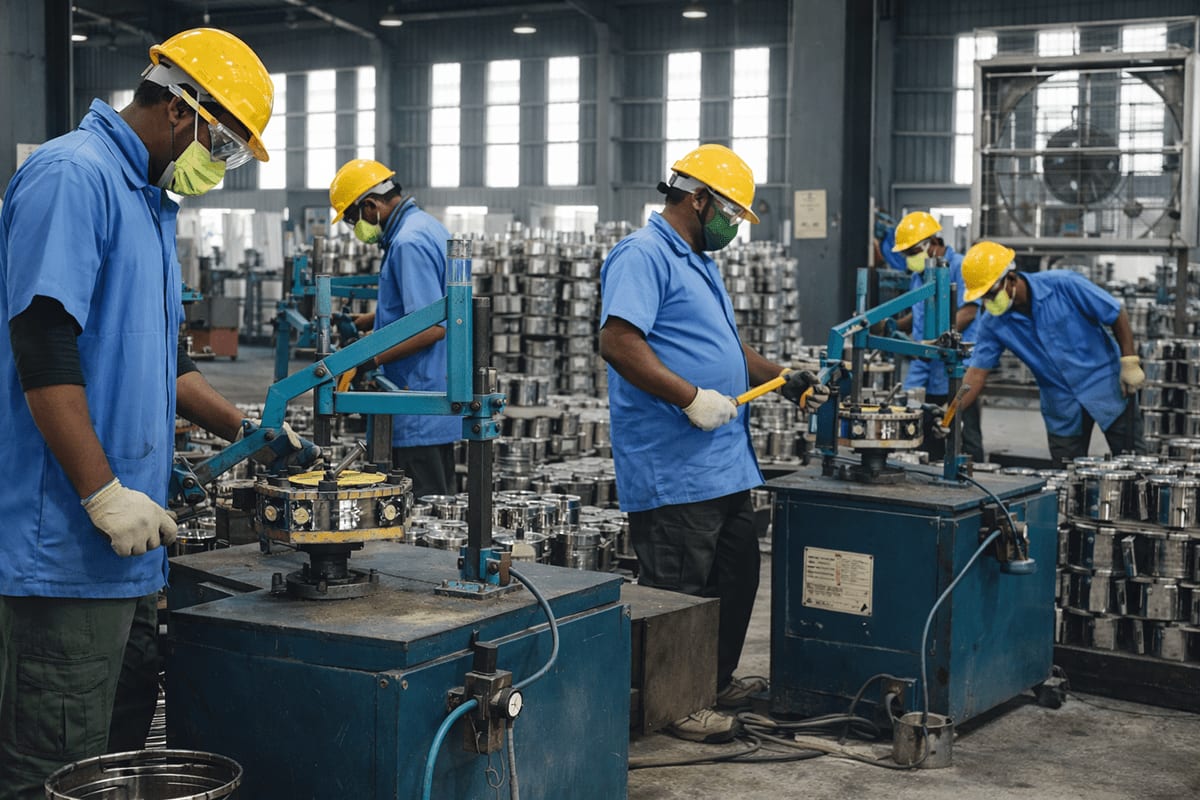
In the Union Budget 2026-27, MSMEs (micro, small, and medium enterprises) are not treated as a vulnerable constituency requiring periodic relief. Instead, they are positioned as strategic growth drivers. The shift is subtle but significant. Rather than expanding credit guarantees alone, the government has introduced measures aimed at capital deepening, liquidity efficiency, and export competitiveness.
For a sector comprising over 7.4 crore enterprises and contributing more than 30 per cent to GDP and nearly half of India’s exports, this recalibration matters. The question is whether the new architecture will unlock scale or remain another well-intentioned framework.
Moving Beyond Debt
The headline intervention is the `10,000 crore SME Growth Fund. Unlike traditional schemes that expand working capital or guarantee loans, this fund is designed to provide equity-style support to high-potential enterprises.
This signals recognition of a structural weakness in India’s MSME ecosystem: over-leverage and under-capitalisation. Many small firms survive on short-term debt cycles, limiting investment in automation, branding, R&D, and export capacity. Growth capital, if allocated efficiently, could enable stronger balance sheets and more ambitious expansion strategies.
For business leaders, the real test will lie in fund governance. Transparent selection, professional management, and measurable performance metrics will determine whether this becomes catalytic capital or a fragmented subsidy.
Tackling the Receivables Problem
Working capital stress remains one of the most persistent bottlenecks for MSMEs. Delayed payments from large corporates and public sector entities strain cash flows and force firms to resort to expensive informal borrowing.
The Budget strengthens receivables financing mechanisms and expands digital trade platforms such as TReDS (Trade Receivables Discounting System). This is less dramatic than announcing new credit schemes but potentially more transformative. Efficient receivables discounting reduces dependency on collateral-based lending and lowers the cost of capital.
If adoption widens, liquidity cycles could shorten significantly, improving operational stability and reinvestment capacity.
Compliance Simplification
Compliance friction disproportionately affects smaller enterprises. Frequent GST filings, refund delays, and documentation burdens increase administrative costs and reduce managerial focus on growth.
The Budget’s efforts towards procedural simplification and faster refund mechanisms aim to reduce this hidden tax on entrepreneurship. For firms operating on thin margins, time saved in compliance translates directly into cost efficiency.
However, execution consistency across states and tax jurisdictions will determine the true impact. Reform intent must translate into seamless digital interfaces and predictable enforcement.
Export Enablement: Small Firms,
Global Markets
One of the quieter but meaningful policy moves is the removal of the `10 lakh per consignment cap on courier exports. This is particularly relevant for small exporters in handicrafts, specialised manufacturing, and high-value niche products.
Lower friction in cross-border shipments can significantly benefit digitally native MSMEs using e-commerce platforms to access overseas markets. Combined with improvements in logistics and infrastructure, this move aligns with India’s ambition to deepen integration into global value chains.
Still, competitiveness will depend not just on policy relief but also on quality standards, branding, and cost discipline.
The Strategic Shift
What distinguishes Budget 2026-27 from earlier MSME-focused budgets is its structural orientation. The emphasis is not on immediate stimulus but on ecosystem strengthening:
Equity infusion over pure debt expansion
Liquidity infrastructure over loan waivers
Compliance efficiency over procedural complexity
Export facilitation over domestic insulation
This approach aligns with India’s long-term ambition of becoming a developed economy by 2047. MSMEs cannot remain fragmented, informal, and capital-starved if they are expected to anchor manufacturing growth and employment expansion.
Risks and Realities
Despite its promise, three risks stand out:
Fund execution quality
Uptake of digital liquidity platforms
Uneven implementation at the state level
Without disciplined execution, the Budget’s MSME architecture could remain underutilised. Moreover, global demand uncertainty and input cost volatility will continue to challenge smaller firms.
Budget 2026-27 does not attempt to provide quick relief. Instead, it proposes a structural redesign of MSME support. If effectively implemented, it could mark a transition from survival-based entrepreneurship to scale-oriented enterprise building.
For investors, policymakers, and business leaders, the coming year will reveal whether this shift produces measurable improvements in capital access, export competitiveness, and productivity.
The intent is strategic. The execution will determine whether India’s MSMEs can finally scale beyond subsistence and become globally competitive growth engines.