


May, 2025
3min read
Rethinking Customer Loyalty in India
 27 May 2025
Tired of points and punch cards, Indian brands are levelling up loyalty with gamification — blending play, culture, and strategy to win over today’s dynamic customer.
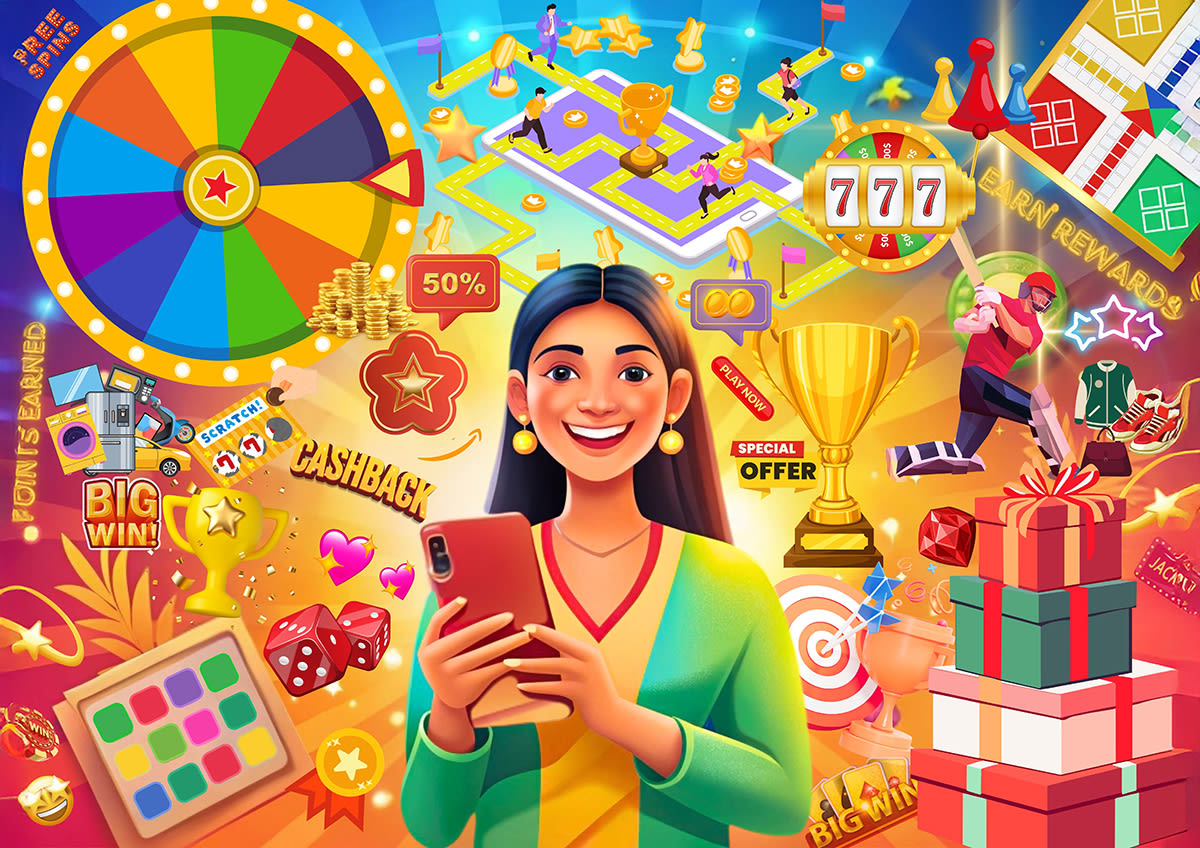
In India’s bustling markets, where diverse cultures converge, businesses are constantly seeking innovative ways to capture the attention and loyalty of their customers. One such approach, transforming the landscape of customer loyalty programmes, is gamification. Beyond mere discounts and points, gamification adds an element of fun and engagement, turning loyalty-building into an exciting game.
Tapping Into India’s Play Instinct
In a country where cricket is not just a sport but an emotion, and festivals are celebrated with unmatched fervour, tapping into the cultural pulse is key for businesses. Gamification aligns seamlessly with the Indian ethos, offering a unique and interactive way to connect with consumers.
Traditionally, customer loyalty programmes involved earning points through purchases, redeemable for discounts or free products. However, these programmes often lacked the excitement needed to keep customers actively engaged. Gamification introduces elements like challenges, rewards, and friendly competition, injecting a sense of thrill into the process.
Creating a Loyalty Playground
Imagine a scenario where customers not only earn points for purchases but also unlock levels, achieve badges, and compete with friends to claim the top spot on a leaderboard. This is the world of gamified loyalty programmes, where businesses create a virtual playground for their customers.
In the Indian context, incorporating elements from popular games such as Ludo or Tambola can add a nostalgic touch that resonates with a wide audience. For instance, customers could roll a virtual dice after each purchase, earning rewards based on the number rolled. This not only adds an element of surprise but also taps into the joy of playing traditional Indian board games.
From Points to Personal Bonds
One of the unique aspects of Indian culture is the importance of emotional connections. Gamification in loyalty programmes goes beyond transactional relationships, fostering emotional bonds between brand and customer. By personalising rewards based on individual preferences and behaviours, businesses can show customers they are valued on a personal level.
For example, a clothing brand could offer virtual fashion shows or styling challenges within its loyalty app, allowing customers to showcase their unique style and earn rewards for their creativity. This not only encourages brand loyalty but also turns customers into advocates within their social circles.
One Game Doesn’t Fit All
While gamification holds immense potential, it is essential to address challenges specific to the Indian market. Ensuring inclusivity by considering diverse cultural preferences and regional variations is crucial. What resonates with customers in one region might not have the same impact in another. Customising gamified elements to reflect India’s rich cultural tapestry ensures universal appeal.
Additionally, businesses must strike a balance between the digital and offline worlds. While technology is a powerful tool, integrating elements that cater to both online and offline customers guarantees a seamless experience for all.
The Loyalty Game Ahead
As businesses navigate the evolving landscape of customer loyalty, gamification stands out as a beacon of innovation. The fusion of traditional values with modern engagement techniques creates a potent formula for success. In India, where every purchase is a story and every brand interaction an experience, gamification adds a new chapter to the narrative of customer loyalty.
In conclusion, as businesses in India strive to stand out in a crowded market, gamification emerges as a transformative force in loyalty programmes. By infusing elements of play, personalisation, and cultural relevance, businesses can create programmes that not only reward transactions but also forge lasting connections with their customers. As the gamification revolution takes hold, those who embrace this trend are likely to lead the game of customer loyalty.