


December 2024
6min read
Gamification: Transforming Customer Loyalty Programs
 27 Dec 2023
Dive into the transformative realm of gamification in loyalty programmes. Discover how businesses are strategically leveling up customer engagement, loyalty, and success through thrilling game-like experiences
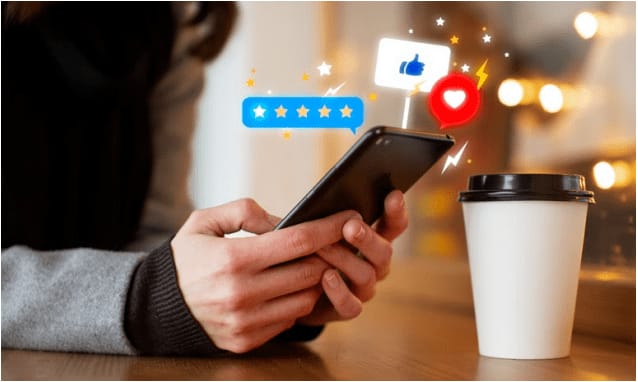
Gamification, the integration of game-like elements in non-gaming contexts, is revolutionizing customer loyalty programs. Businesses across industries are leveraging this strategy to enhance customer engagement and retention significantly. Gamification taps into human desires for competition, achievement, and rewards, making loyalty programs more interactive and enjoyable. By having customers participate actively in challenges and earn rewards, gamification enriches the customer experience, making it more memorable and engaging and boosting retention.
Innovative Examples Spearheading Change:
1. AccorHotels’ Accor Live Limitless (ALL): This program exemplifies gamification in the hospitality industry. By integrating a mobile app for check-ins, ALL offers a seamless blend of convenience and reward, encouraging guests to earn badges and points, redeemable for future discounts. This approach not only fosters customer loyalty but also enhances the guest experience through digital innovation.
2. BBVA Game: In the financial sector, BBVA stands out with its gamified online banking platform. This initiative encourages users to earn points and prizes through digital interactions, reducing physical branch visits and familiarizing customers with digital banking services. BBVA’s approach highlights gamification’s role in driving digital adoption while sustaining customer engagement.
3. Duolingo: As an eLearning tool, Duolingo’s application of gamification to language learning illustrates the broader educational potential of this strategy. Through achievement badges, streaks, and leaderboards, Duolingo enhances user engagement, making learning both fun and addictive. This case underscores the versatility of gamification in transforming not just commercial, but educational landscapes as well.
4. Starbucks Rewards: Demonstrating gamification’s impact in the retail sector, Starbucks employs a rewards program that transcends the traditional punch card system. By tracking purchases and rewarding customers with points for free products, Starbucks has witnessed a significant increase in program membership and consequential revenue growth, showcasing the tangible business benefits of a well-executed gamification strategy.
The Impact and Effectiveness of Gamification: A study focusing on Indonesian e-commerce, particularly Shopee Games, found that gamification elements like challenges and points positively influence customer engagement and, subsequently, brand love. This study underscores gamification’s potential in e-commerce, enhancing customer relationships and brand affinity. As per the 2022 Loyalty Barometer Report, loyalty programs significantly influence customer retention, as around 79% of consumers are more likely to stick with a brand due to its reward program.
Gamification in loyalty programs transcends mere entertainment, becoming a strategic tool for deepening customer relationships. It leverages our inherent desires for competition and achievement, transforming routine transactions into engaging experiences. Successful gamification strikes a balance between ease of participation and the thrill of competition, fostering long-term customer relationships. Notably, a mobile telecommunications company’s implementation of weekly prize-based games resulted in a threefold traffic increase to partner websites and doubled the normal campaign engagement rates, illustrating gamification’s power in amplifying customer interaction and brand visibility. Similarly, an Asian Pacific retailer witnessed a 60% surge in app engagement and a sixfold increase in purchase frequency, underscoring gamification’s effectiveness in revitalizing customer interactions and driving sales.
The transformative impact of gamification on customer loyalty programs is undeniable. By injecting the excitement of gaming into customer interactions, businesses are not only enhancing customer experiences but also reaping substantial rewards in terms of loyalty, engagement, and revenue. As businesses continue to innovate in their quest for customer loyalty, gamification stands out as a key strategy, blending enjoyment with loyalty in a manner that promises enduring customer relationships and sustained business success.