


August 2026
4 mins read
How Gen Z Broke the SHOPPING FUNNEL
 31 Aug 2026
Gen Z and Millennials may share the same screens, but they navigate the path to purchase differently — forcing brands to rethink how they earn attention, trust and loyalty.
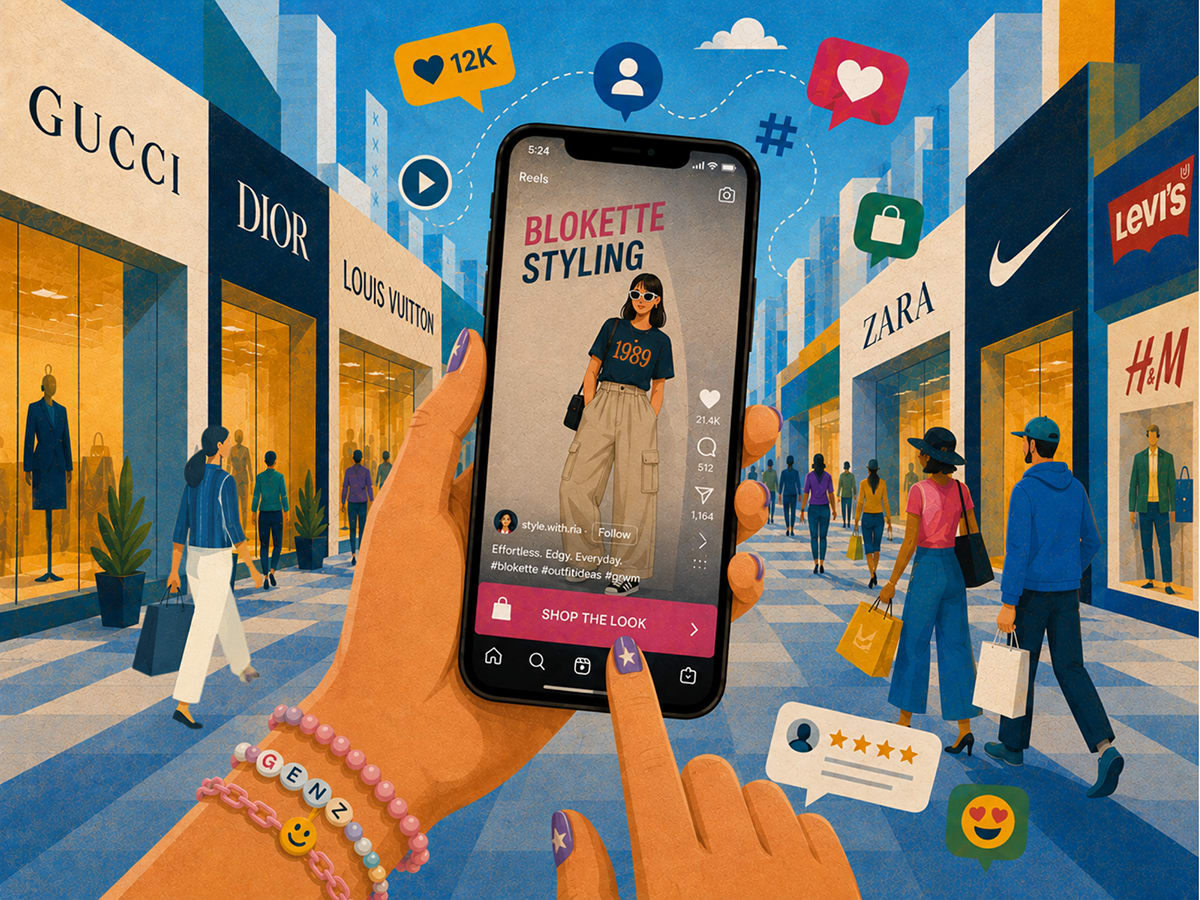
Let me start with something I noticed while talking to my elder brother. While I was working in Mumbai as a 25-year-old, when I wanted a new moisturiser, I opened Instagram Reels, went to my “Saved Reels” section, watched a few videos, and ordered it on Blinkit, with delivery to my doorstep in under 15 minutes. My older brother, 33, a tech consultant in Bengaluru, Googles “moisturiser”, clicks through 10 or 15 links, reads the ingredient list twice, and waits for a Nykaa sale. Both of us are completely digitally comfortable. Both end up with the same product. But the routes we took? Completely different worlds.
That’s the thing most brands are getting wrong. They see Gen Z and Millennials as a single “digital consumer” segment and market to them identically. The data suggests that is a mistake.
In 2024, BCG and Snap India surveyed more than 1,200 Gen Z and Millennial consumers. Their report’s headline noted: “43 per cent of India’s consumer spending is already Gen Z-driven, with ₹1.5 trillion in projected spend by 2035.” Yet only 15 per cent of the brands surveyed are doing anything meaningfully different to reach them. That is a significant gap between knowing something and acting on it.
Beyond Brand Loyalty
Millennials built brand loyalty in India in a way no generation had before. Levi’s, Apple and Tanishq weren’t just products; they were signals. If a brand earned your trust, you stuck with it.
Gen Z has largely opted out of that arrangement. The BCG study found that they are 1.7 times more likely to pick a trending style over a known brand, and 72 per cent say creator channels, rather than brand pages, are their primary source of shopping inspiration (versus 49 per cent of Millennials). A streetwear label nobody had heard of in March can outsell a decade-old brand by September if the right creator posts about it. That is a completely different model of trust.
One in two Gen Z shoppers is on their phone checking wishlists while physically browsing in-store. Only 32 per cent of Millennials do the same. Gen Z shoppers are not choosing between online and offline. They are using both simultaneously.
That behaviour is driving quick commerce. Blinkit, Zepto and Instamart collectively hold more than 95 per cent of a market now worth roughly ₹50,000 crore, and a disproportionate share of impulse-purchase growth is coming from Gen Z. Skincare brand Deconstruct posted 10-fold year-on-year revenue growth, crediting quick commerce and Gen Z’s preference for instant, impulse-led buying as central to that success. Bare Anatomy attributes 15 per cent of its total revenue to 10-minute delivery. The shift is already priced in for brands paying attention.
The New Consumer Code
Gen Z buys just as often as Millennials but is 1.5 times more likely to research first. The contradiction resolves when you see what that research looks like: short-form video and creator endorsements, not spec sheets and editorial reviews.
Millennials introduced values-conscious buying to India. For them, sustainability was a differentiator, something that earned extra points. Gen Z checks who is in the ad, whose voice the brand amplifies, and whether environmental claims hold up. Vague commitments get called out quickly. At the same time, Gen Z is more price-sensitive, creating a clear opening for brands that pair affordable products with visible, verifiable values. That is exactly how D2C labels such as The Souled Store and Bewakoof have scaled.
One Product, Two Playbooks
The answer is not to abandon Millennials for Gen Z. It is to accept that the same product needs two genuinely different conversations. For Millennials: invest in trust, long-form content, reliability and community. For Gen Z: invest in relevance, creator partnerships, speed, social proof, and a willingness to cede some brand control in exchange for cultural currency. Brands such as boAt, Mamaearth and Lenskart have figured out how to speak both languages without conflating them.
India has 377 million Gen Z consumers, and its median age is 28. Understanding that they don’t buy like their older siblings is not just a marketing observation; it is table stakes for staying relevant.
Gen Z is 1.7 times more likely to pick a trending style over a known brand, and 72 per cent say creator channels are their primary source of inspiration
Gen Z buys just as often as Millennials but is 1.5 times more likely to research first. It checks who is in the ad, whose voice the brand amplifies, and whether claims hold up