


March 2024
8min read
Is illegal sale of Fake goods, good or bad for business?
 27 Mar 2024
We have all seen counterfeit items being sold in popular tourist attractions and busy markets throughout the country. What impact do these products have on the 3 key stakeholders of this industry: the counterfeiters, the luxury brands and the buyers? Should there be a total crackdown on the products or should the companies turn a blind eye to these products, and do these in any way contribute to the luxury brands?
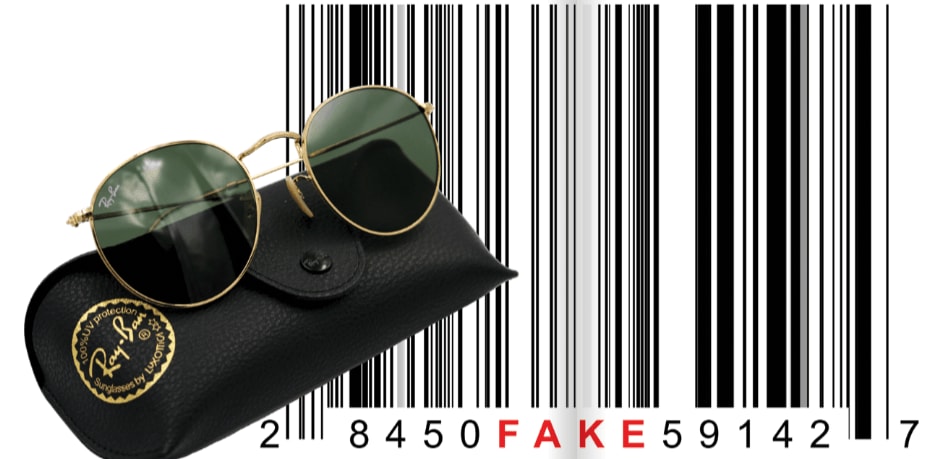
The sale of fake merchandise, be it bags, belts, or even pirated movies, is an enormous underground business in India. We have all seen markets flooded with these contrabands, and a specific crowd is attracted to things they may or may not be able to afford. We understand these goods are available not only in India but worldwide. The most significant portion of buyers for these items have been tourists, especially from poorer countries, trying to buy these knockoffs to either experience the luxury that comes with these products or for just the feeling of showing these off to people in their circle. The government laws and regulations are unambiguous and strict on where they stand on the issue. But when you try to look at businesses whose products are getting counterfeited, does it make sense to stop the counterfeits? The essay is a deep dive looking at the various sides of the information asymmetry for the buyer, the seller, and the company to whom the original belongs.
Let’s take the example of Delhi, the city I was born in; in most of the big markets here, you can easily spot over a dozen illegal fake product merchants who don’t shy away from the fact that the product that they are selling is not the real deal, but why do they do that? It’s pretty straightforward; they are not trying to reach out to the customers who have the financial means to buy these products, but actually for the others who might not have even heard the name of a big luxury product like Gucci or Fendi, or the ones who have heard it but can’t afford the high cost that each of these bag’s cost. They can offer it as copies of the original, and sometimes, to be clever, slightly change the logo and features to look like the original at first glance to avoid direct plagiarism. The crowd they are targeting to sell the counterfeits is okay with buying or using the products; they are trying to get a taste of luxury at a fraction of the original product’s price. For the sellers of these counterfeits, it is a simple business. The most significant complication comes from the fact that there is a lot of checking in these hotspots, and they need to be vigilant of any checks that happen in the area, which is usually managed by cutting a deal with the officers doing these checks. The products counterfeited are not too expensive to produce, but the value comes from the brand name, and they usually put pictures that can be easily put on these and sold.
These counterfeited products do not target the upper echelon of society, those who can afford these products, but actually, the people who are eager to try the product and a taste of the luxury that comes with these goods. Society looks at these products not like any other of the crimes that occur, as they believe that they do not cause any direct harm to the people. Still, some look at it negatively as it might give a taste of these products, leading them into a false promise of everything that comes with the lifestyle. The demand is quite topsy-turvy for the sellers as they need to identify the people who are interested in the product and ensure the salespeople they use are suitable to convert the interest that the product might create into actual sales. Also, the products have a small shelf life as the luxury brands come and go very quickly, as the sheen of buying a specific product is that the company might come up with something new. These counterfeiters need to adapt to whatever is popping up in the market. Additionally, even though the cost of production might be low, the customers also expect a cheap product; hence, the margin they make on each product is meagre. The crucial question for the companies to which the original product belongs is: Should we crack down on these or let it be? At first glance, they should crack down and not allow people to sell their counterfeits as they are floating these fake products in the market. This move might discourage people from buying the originals as they might be construed as a significant market player taking people’s livelihoods. Additionally, some people will continue to buy these to show that the product is original in their group to improve their so-called “Social Status.” On the other hand, having these counterfeits in the market in the long term helps increase their brand value. It contributes significantly to their marketing, reaching a cordon of society these brands do not usually reach out to. However, increasing brand equity and value impacts the overall financial situation. Also, these people buying the knockoffs might have a connection to the brand and would want to buy the original product once they reach the financial statement.
In conclusion, the brands should cut down on the counterfeits that are making sales on websites and other online ventures with the products as that is the original companies product, and they don’t want to be perceived as someone who cares only about counterfeits. But they should not track down small shops in the local markets as these might not be financially viable to do. In the long term, they should also help them create a customer base of people in the future with memories linked to the brand and help them outperform the competition.