


August 2024
5min read
Reviving Heritage: Innovating Traditional Crafts into Modern Enterprises
 27 Aug 2024
The article emphasizes the importance of integrating traditional craftsmanship into modern business, highlighting its cultural, economic, and sustainability benefits. Traditional art forms, such as jewelry, textiles, and pottery, offer unique aesthetic and cultural value, which can’t be matched by mass production. The article talks about a different perspective and way to convey a brand story. It showcases successful startups like Rare Planet, P-TAL, and Rumals of Chamba, which have revitalized traditional crafts by combining them with modern technology and innovative branding. These ventures demonstrate how traditional art forms can appeal to contemporary markets, offering unique, high-quality products with rich cultural stories. The article calls on entrepreneurs to recognize and harness this rich, untapped market, blending innovation with tradition for meaningful and sustainable business ventures.
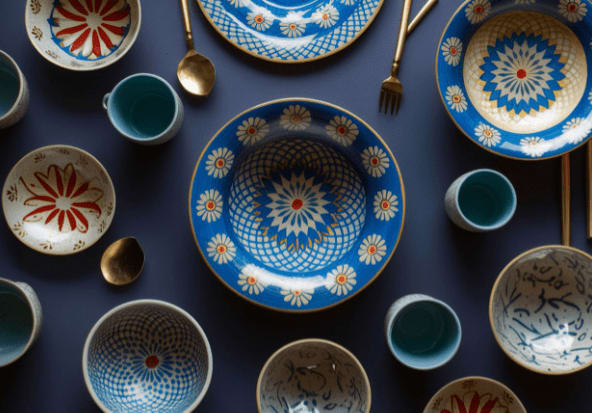
Doing business is an art, an amalgamation of creativity, innovation and value creation. In this technology driven era, we tend to neglect our country’s rich heritage and potential of traditional art forms. We are overlooking a treasure trove of traditional craftsmanship that holds immense cultural, economical and sustainability advantages.
These traditional art forms can be anything ; jewellery, paintings, textiles and pottery, just to name a few. The designs and techniques involved in making these classics offer a unique aesthetic that cannot be replicated by serial production. Handcrafted items often fetch high prices in international markets due to their timeless elegance and cultural significance, not to forget the personal touch and emotional feel it brings to the table.
Promoting traditional crafts can not only boost ethical consumption and economy by creating jobs for local artisans, but also aid in sustainable and eco-friendly production. There is a need to combine modern technology and techniques with traditional craftsmanship, rebranding them, improving quality and presenting it in such a way that it appeals to contemporary tastes while preserving it’s authenticity.
“People don’t buy what you do, they buy why you do it.” This famous quote by Simon Sinek , explains the importance of story telling while building a brand to stand out from a crowded marketplace. Stories resonate with people and traditional craftsmanship inherently possess a rich narrative that can be leveraged for powerful brand building. Many new age startups understand the potential of this untapped and unexplored segment.
Few of these stories are discussed below:-
1)RARE PLANET:- One of the most successful startups that featured on Shark Tank India , season-1 , marked the first ever ‘shark exit’ with 3.5X returns. In 2015,during a college fest, Ranodeep Saha bought terracotta kulhads from local artisans, hand painted them in vibrant colours ,and put them up for sale. It’s annual revenue was close to Rs 24.6 crores in financial year 2022-23. The products are available both online and offline, including 37 airports across India.
Namita Thapar, who ended up investing Rs 65 lakhs in the business, was impressed by the commendable impact the brand had over lives of 10,000 artisans. The brand boasts of an incredible inventory of handcrafted items and décor, including mugs, copper bottles, cups, plates, kulhads, stationery, jewellery and accessories, all crafted by a network of local artisans associated with the company.
Simply rebranding an already existing craft through creativity and innovation has given birth to a brand embodying a sense of soothing charm. The success of the brand was also celebrated in the latest season of Shark Tank India.
2)P-TAL:- Who does not remember their grandmothers using “TAMBE KA BARTAN” in their childhood to cook hot meals…? “Transforming traditions into trends” is the tagline of the brand. P-TAL is dedicated to revive the endangered craft of the indigenous Thathera community from Jandiala Guru, Amritsar. This community holds the unique distinction of practicing the only Indian craft listed on UNESCO’s List of Intangible Cultural Heritage. P-TAL aims to become a household name for everything brass, copper and bronze , and currently deals in kitchenware and cookware. Cooking and eating in the utensils made from these metals has been practised for years. This startup has impacted the lives of artisans directly by increasing their monthly sales, reducing their health expenditures and empowering women in their households. Similar to Rare Planet , this startup successfully managed to bag an all shark deal in the third season of Shark Tank India securing Rs 1 crore of investment at a valuation of Rs 31.25 crores.
3)Rumals of Chamba:- Pahadi embroidery, originally practiced in parts of undivided Punjab and Himachal Pradesh, uses traditional techniques and indigenous dyes to make a range of diversified products, be it apparels, books, home furnishings or Chamba Rumals. The aim of the business is to revive the essence of this craft, the knowledge of which has been passed on to generations by providing new dimensions and usages, and making this splendid craft part of every home. Using naturally dyed, untwisted silk yarns, the designs are inspired by traditional themes. This craft is truly one of a kind, offering soothing and peaceful aesthetics. They are sold at a premium rate, which in turn helps in supporting and uplifting the artisans behind their creation.
For aspiring entrepreneurs, there is plethora of opportunities and hidden gems like these in our culture, the need is to embrace it with pride. Creating scalable businesses that not only offer distinct products but also convey meaningful stories and drive sustainable economic growth is possible and there is no better time to do it now!