


February, 2025
8min read
The Tesla Playbook Shocking the Status Quo
 10 Mar 2025
Tesla’s playbook redefines the EV game with first-mover prowess and relentless reinvention. Amid fierce global competition, can it continue to electrify the future?
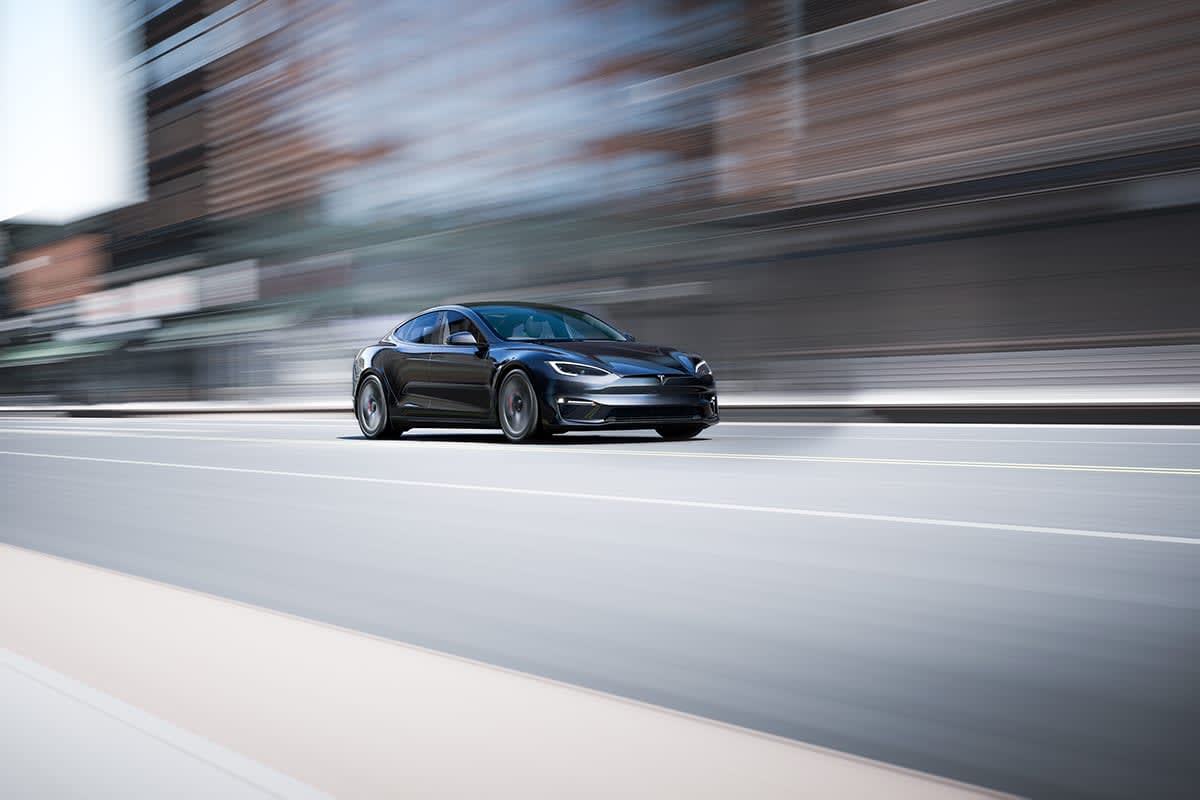
Tesla’s supremacy in the electric vehicle (EV) market exemplifies how strategic management principles can drive disruptive innovation. By reimagining traditional industry paradigms and capitalising on its first-mover advantage, Tesla has not only reshaped the EV landscape but also established new benchmarks for strategic differentiation, value creation, and competitive positioning.
Central to Tesla’s success is its alignment with the concept of strategic intent, as articulated by its CEO, Elon Musk. The company’s mission — to “accelerate the world’s transition to sustainable energy” — reflects a long-term vision that seamlessly integrates societal impact into its business objectives. Musk’s visionary leadership has galvanised Tesla’s stakeholders around this ambitious goal, enabling the company to out maneuver traditional automotive incumbents and redefine the future of mobility.
By focusing on sustainability and technological excellence, Tesla’s vision has created a blue ocean strategy, establishing an unparalleled market space free from rivalry. In this space, EVs are not merely alternatives but aspirational technological products. Tesla’s dynamic capabilities — its ability to adapt, integrate, and reconfigure internal and external competencies — allow it to respond effectively to changing market conditions.
Innovation as a core competence: Tesla treats its vehicles as dynamic platforms, continuously enhanced through over-the-air software updates. This aligns with the resource-based view of strategy, where the firm’s unique resources — such as software expertise and battery innovation — create inimitable value.
Vertical integration: By owning critical portions of its supply chain, including Gigafactories for battery production and a proprietary Supercharger network, Tesla gains control over key resources and reduces reliance on external suppliers. This optimisation of the value chain exemplifies a robust competitive strategy.
Driving Distinction in EVs
In competitive strategy, businesses take different approaches to stand out. Michael E Porter’s Generic Strategies identify three: cost leadership, differentiation, and focus. Tesla’s strategic positioning aligns squarely with differentiation, setting itself apart by redefining EVs as a blend of high performance, cutting-edge technology, and sustainability. This approach has allowed it to establish itself not just as an automaker but as a premium, innovative brand.
Sustainable differentiation: Tesla stands out not just for its electric vehicles but for its broader product ecosystem, which includes solar panels and Powerwall batteries. By integrating these solutions, the company creates value across multiple touchpoints, reinforcing its unique market position and competitive edge.
Customer lock-in: Tesla enhances customer retention through proprietary Supercharger networks and exclusive software updates, creating high switching costs that discourage users from moving to competitors.
Overcoming barriers to entry: Tesla’s early investments in infrastructure and technology have created significant barriers for new entrants.
Capital investment and technology leadership: The automaker’s Gigafactories and charging networks required substantial upfront investment, making it difficult for competitors to replicate.
Battery efficiency and industry benchmarks: The company has set new standards in battery technology, achieving efficiency levels that few companies have even come close to matching.
The First-Mover Ripple Effect
The Wright Brothers’ success in the early 1900s was not just about their first flight; it sparked a global aviation industry, forcing others to innovate swiftly. Similarly, Tesla’s success transcends selling cars — it has redefined transportation and energy, compelling even legacy automakers to embrace electric mobility.
The first-mover’s dilemma: Both the Wright Brothers and Tesla navigated the challenges of being pioneers, including high costs, technological hurdles, and the need to educate the market.
Creating entire ecosystems: Just as the aviation industry required airports and air traffic control systems to flourish, Tesla built Supercharger networks and battery manufacturing facilities to support EV adoption.
Branding That Breaks the Mold
Tesla’s branding is a masterclass in building brand equity. By eschewing traditional paid media and leveraging earned media alongside Musk’s personal brand, Tesla generates significant buzz at minimal advertising cost. This approach creates a perception of exclusivity and innovation.
A classic example of Musk’s penchant for risk-taking was the infamous Cybertruck glass-breaking incident during its 2019 launch. Instead of undermining the vehicle’s appeal, the unexpected incident became a unique marketing asset, generating more buzz than a polished, error-free demonstration would have.
What sets Tesla apart from other EV makers is its differentiated positioning — tech-driven luxury versus utilitarian designs that often compromise on eco-friendly aspects. Its strategic moves continue to redefine the competitive landscape of the automobile industry.
Its success pushed legacy automakers to accelerate their EV plans, turning a niche market into a mainstream imperative. Tesla’s first-mover advantage positions it as a change agent in the industry, compelling governments to promote EV adoption through subsidies and infrastructure investments.
The EV Race Heats Up
While Tesla has stayed ahead of the pack, global competition is intensifying, driven by China’s EV makers. BYD has surpassed Tesla in EV sales, thanks to its vertically integrated supply chain, which has helped cut costs and scale efficiently. Meanwhile, NIO is challenging Tesla with innovative features like battery-swapping technology and strong customer service. These brands compete with Tesla not only on price but also on design, performance, and smart features.
Tesla’s story is far from over. It serves as a reminder that being a first mover isn’t enough — continuous reinvention is key to staying ahead. And so, Tesla moves forward, taking the world along, paving the way for generations to come.