


September 2024
5min read
Why Is It So Hard to Leave an IKEA Store Without Making a Purchase?
 27 Sep 2024
Retail has evolved from mere transactions to immersive experiences. Stores like IKEA have mastered creating labyrinthine layouts, strategic product placement, and sensory-rich environments to captivate customers. From color psychology to scent marketing, retailers are leveraging various elements to influence consumer behavior. As e-commerce grows, replicating these physical store experiences online becomes crucial for success.
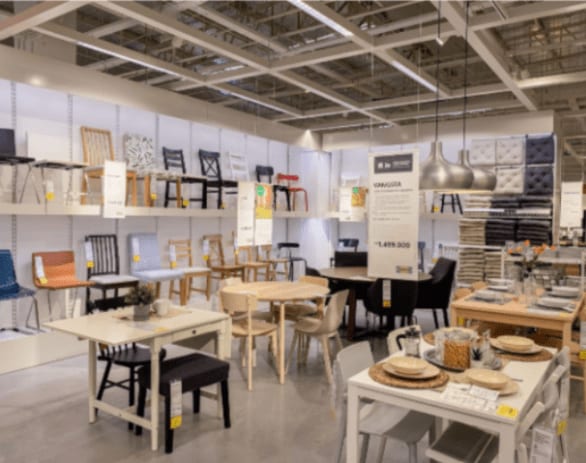
Retail has evolved from being merely a transactional exchange to a holistic experience. Stores have transformed into spaces that engage customers on multiple levels, from the visual to the sensory. This shift is evident in the success of retailers like IKEA, whose stores are as much destinations as they are shopping venues.
A key element of successful retail is the creation of a unique atmosphere. IKEA has mastered this art by crafting a labyrinthine layout that encourages exploration. This design tactic, often referred to as the “maze effect”; keeps customers engaged and increases the likelihood of impulse purchases. The strategic placement of products, such as grouping related items together, further enhances the shopping experience.
Sensory elements also play a crucial role. Colour psychology, lighting, and even scent can significantly impact consumer behaviour. IKEA’s use of specific colour palettes and lighting creates a calming and inviting atmosphere. Moreover, the careful selection of products can influence the overall sensory experience. For instance, the inclusion of certain items, like candles or air fresheners, can contribute to a store’s unique ambiance.
Victor Gruen, a pioneer in retail design, understood the power of visual merchandising. His concept of creating “spectacles”; through elaborate window displays revolutionized the industry. This approach continues to influence modern retail, with stores investing heavily in visually appealing storefronts and in-store displays.
Beyond the visual and tactile, the olfactory sense is equally important. Some retailers have even gone as far as infusing their stores with specific scents to create a memorable experience. This attention to detail fosters a sense of consistency across different store locations, reinforcing brand identity and customer loyalty.
While physical stores have mastered these techniques, the digital age presents both challenges and opportunities. The transition to online shopping requires a rethinking of traditional retail strategies. While it’s impossible to replicate the physical layout of a store online, e-commerce platforms can create a similar sense of discovery through personalized recommendations, curated product selections, and intuitive navigation.
Additionally, the use of high-quality product imagery, interactive elements, and user-generated content can help recreate the immersive experience offered by physical stores. By blending traditional retail principles with digital innovation, e-commerce platforms can create engaging shopping experiences that drive customer loyalty and satisfaction.
Thus, the evolution of retail has seen a shift from simple transactions to curated experiences. By understanding the psychology behind consumer behavior and leveraging both physical and digital spaces, retailers can create environments that not only attract customers but also foster long-term relationships. As technology continues to advance, the possibilities for innovative and immersive retail experiences are endless.