


Delhi CHAPTER
Budgeting That Reflects Values, Culture Beyond Decor
 September 20, 2025
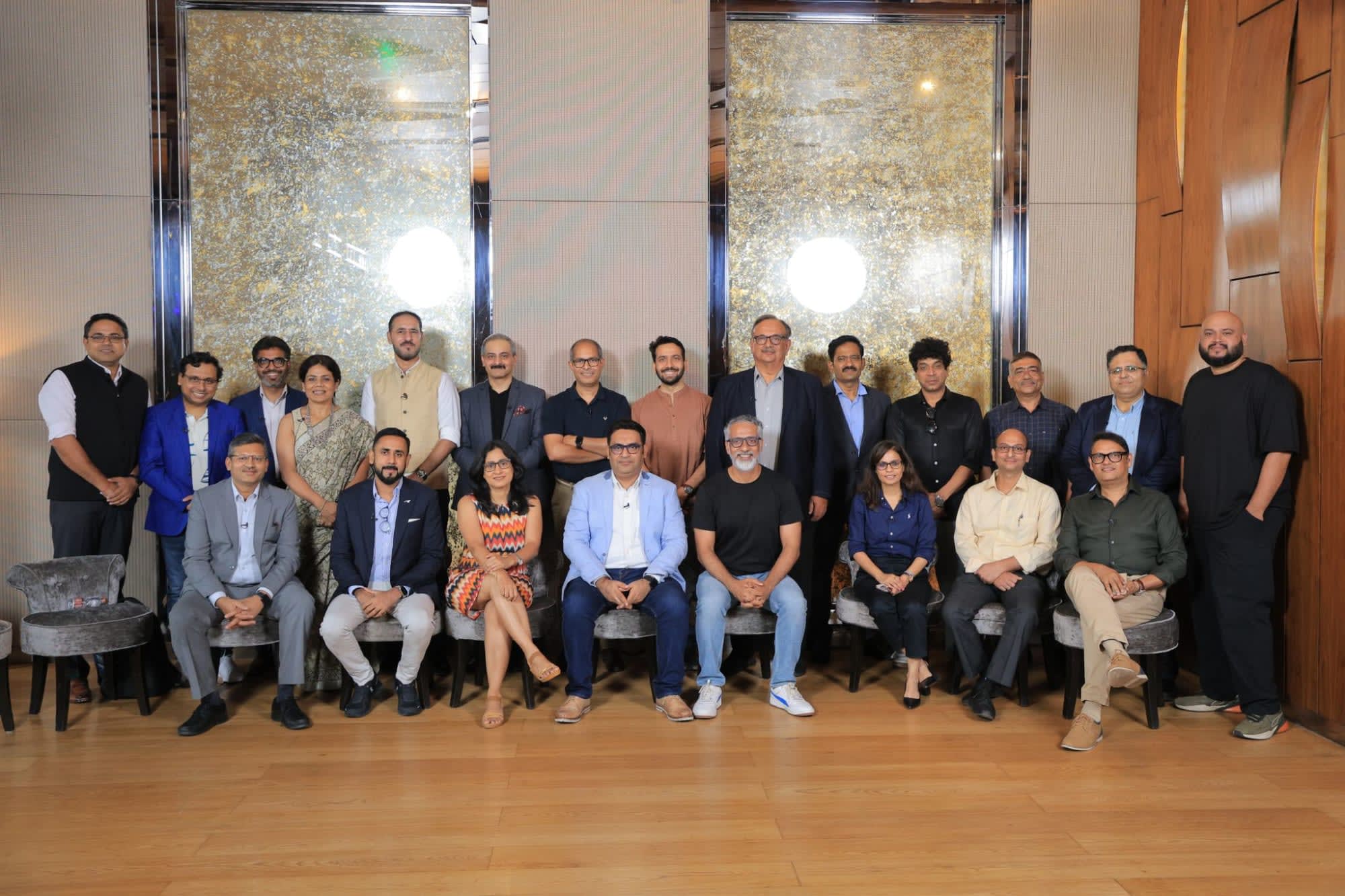
The Delhi-NCR roundtable brought senior leaders together to cut through budgeting myths and re-examine organisational culture. The group aligned on a simple premise: budgets should mirror project goals and values, and culture must enable real work—not police behavior. The conversation challenged “performance theatre,” asked when cracks actually show, and offered practical tools to reset both money conversations and culture norms.
Core questions we explored
-
Does organizational culture matter, or is it just corporate decor?
-
Are organizations creating cultures, or just controlling behavior?
-
Are we hiring innovators while expecting them to conform?
-
What happens when employees stop pretending to care?
Budgeting realities leaders called out
-
Rules-of-thumb often conflict: 6–12 months of runway vs growth needs, track-every-rupee vs empower teams, cut big-ticket items vs trim small waste.
-
Alignment is the antidote: anchor budgets to clear project outcomes and organizational values.
-
What worked: spelling out trade-offs early, using decision charters, and making “no/stop” decisions visible to avoid silent overruns.
Culture provocations
-
Culture decks are often performative; even toxic cultures can push short-term performance.
-
The test is not the poster on the wall but what is tolerated every day.
-
“Non-conformity” is welcomed only if it doesn’t rock the boat; innovation becomes a checkbox.
When the cracks show
-
Disengagement begins long before resignations, with silence, polite agreement, and absence from real dialogue.
-
Performance theatre replaces participation: reports look good, learning stalls, risk-taking vanishes.
-
Managers over-index on control artifacts, approvals, policies, templates while trust erodes.
Practices leaders are taking back
-
Map budgets to outcomes: tie every major line item to a measurable project result and kill unfunded nice-to-haves.
-
Make trade-offs explicit: publish “what we won’t do” this quarter to reduce hidden work.
-
Run a “tolerated vs preached” audit: list current behaviors we enable vs the values we claim.
-
Redesign innovation lanes: define fast lanes with lighter governance.
-
Replace theatre with forums: monthly retros with decisions, not updates; measure questions asked, not slides shown.
Attendees
Abhay Kapoor, UIL Group
Ajesh Kapoor, L&T Semiconductor Technologies
Anurag Garg, Thales
Dev Tripathy, Philips India
Dipak Singhal, Comviva
Dwaipayan Chakraborty, CMA CGM
Geetu Singh, KPMG India
Hitesh K., Magicbricks.com
Masood Mallick, Re Sustainability
Mohit Joshi, Havas Media Network India
Nitin Arora, Baker Tilly ASA
Priyanka Seth Wadhera, Arya.ag
Rakhee Arya Guglan, Circle K
Raman Kalra, IBM Consulting
Raviner Siwach, Godzilla
Sanjay Mittal, IBM Consulting
Smita A Jina, Accenture
Varun Vijay Singh, Airbus
Vipul Mathur, Motorola Mobility