


Delhi CHAPTER
How Far Ahead Can Business Still Afford to Think?
 Delhi
Delhi  September 18, 2026
Long-term thinking is essential for building enduring organisations, but planning too far ahead can become rigid and disconnected from a rapidly changing world. This piece explores the balance between long-term vision and short-term execution, highlighting the importance of alignment, adaptability, clear objectives and investing in people as the foundation of lasting success.
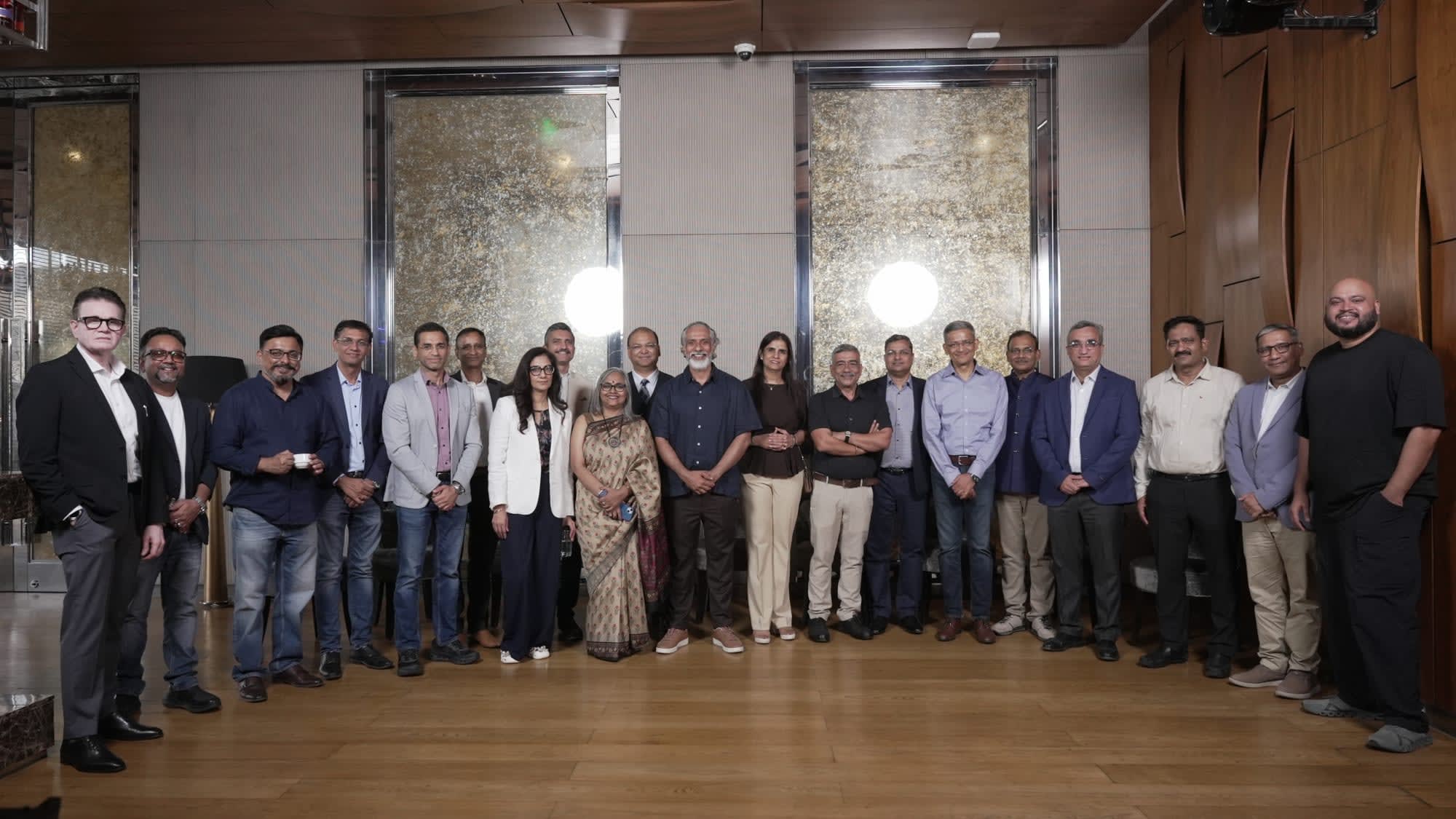
In a rapidly changing business environment, leaders face a constant tension between short-term priorities and long-term ambitions. The challenge is not simply to think further ahead, but to know how far ahead it is useful to think.
Long-term thinking requires leaders to remain committed to their core goals, values and mission while ensuring that teams remain aligned. Alignment is greater than assignment, because it keeps everyone moving towards the same long-term vision even as circumstances change.
At the same time, planning too far into the future can become overwhelming. Technology, customer behaviour and market conditions can change dramatically within just a few years, making rigid forecasts less useful. Leaders need to remain grounded in the present while looking far enough ahead to anticipate what may be coming.
Effective planning therefore means setting realistic objectives, allocating resources, managing risks, tracking progress and translating long-term strategy into actionable short-term steps.
Ultimately, the further we look into the future, the more the conversation shifts from immediate business outcomes to legacy. Building an enduring organisation requires more than competitive advantage or new markets. It requires developing core capabilities and, above all, investing in people.
The question is not simply how far a business can see into the future. It is whether it can build something that remains valuable long after today's plans have changed.
Attendees
1. Alok Gupta, Group EVP & Global Business Head, Jaquar & Company Private Limited
2. Ajay Tripathi, Group President & CHRO, ReNew
3. Kaushik Chakraborty, Chief People Officer, Savills
4. Rajul Mathur, MD, Wilis Tower Watson
5. Jaspreet Bakshi, Partner & India HR leader, Marsh
6. Anil Suneja, CFO, Medtronic
7. Deepak Malhotra, Partner, EY
8. Arvind Saxena, CMO & Head of GCC Marketing, NEC India
9. Kapil Khaneja, Country Head & Director GBS India & Chair, India Management Group, BT Group
10. Garima Garg, CHRO, UNO Minda
11. Sanjay Sharma, Executive Director and COO, BPTP Realty
12. Munish Khurana, MD, Accenture
13. Apurva Agarwal, Partner, EY
14. Mukta Nakra, Group CHRO, Crocs India
15. Simar Deep Kaur, CHRO & Sr. Director, Max India & Antara Senior Care, Max Group
16. Krishna Kabra, India Country Head (Global Capability Center) Orange
17. Ganesh Kashyap, CEO, Landis+Gyr India
18. Neelanjana Singh, CHRO, Orix
19. Priyanka Anand, Vice President & Head of HR, Ericsson
20. Rabindranath A, Founder, Leap Curve