


July, 2026
2 min Read
Return-to-Office: Strategy or Power Play? Decoding intent behind corporate mandates.
 14 Jul 2026
Return to Office: Strategy, Control, or Competitive Advantage? Is the return-to-office debate really about where we work, or how organizations create value? As more companies revisit workplace policies, the conversation has moved beyond flexibility. Leaders are weighing collaboration, productivity, innovation, security, and organizational culture against the autonomy employees have come to expect. The challenge is that an RTO mandate is rarely just an operational decision. It reflects an organization’s broader philosophy on leadership, teamwork, accountability, and long-term performance. Understanding the intent behind these policies is just as important as evaluating their outcomes. In this latest article, Krishna Gupta examines the strategic rationale behind return-to-office mandates, exploring why many organizations view physical workplaces as an enabler of collaboration, execution, and business continuity. Read the full article on the Xplore website and join the conversation.
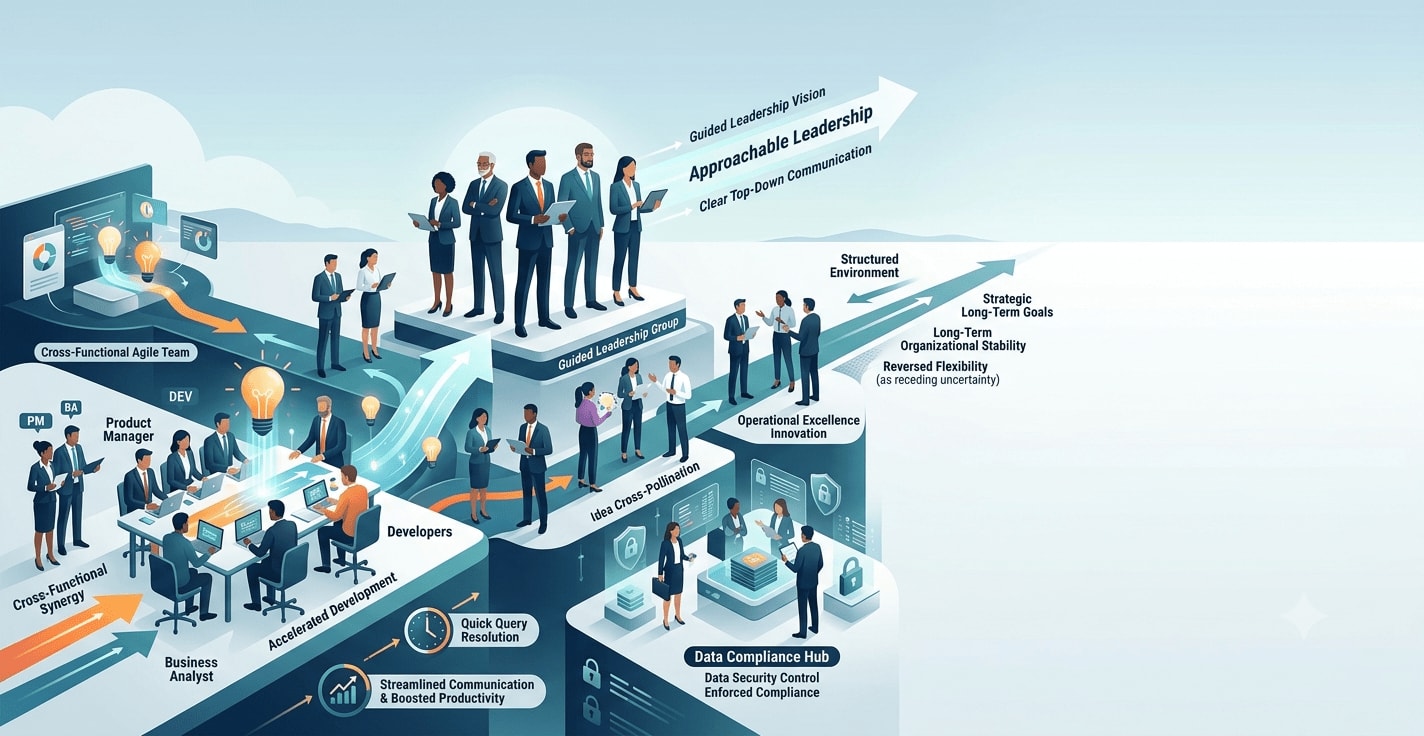
When the employees are co-located and find their teammates sitting right next to them, it facilitates communication quite easily as comparison to work from home, as in work from home(WFH) there are scenarios where multiple ad-hoc meetings are required and we don’t find our teammate to connect it will create impediments and drags the functionality to be delivered but this is not same in office where we can resolve our queries at the same time and this saves a lot of time and overall boost the productivity of the team. RTO also provides better visibility for its employees as they can easily monitor them.
At the office, as all the teammates are co-located, it will enhance collaboration among themselves. Suppose there is a software engineering team with all its teammates at the same location, including product managers, business analysts, developers, and quality analysts. As there are scrum calls which will happen across sprints but being present at the same location can be advantageous as they can have multiple brainstorming sessions and business analysts can directly connect with developers and QA and vice-versa which will help them to be on same page as per the expectations of the line of business and other stockholders and expedite the development of product when there is short time duration.
It also contributes to more innovation at the workplace as employees of different teams, when communicating with each other, come across multiple problem statements, and they can brainstorm solutions for them. They will be more motivated towards their contributions to Operational Excellence (OpEx). It also enables the employees to learn more about the roles and responsibilities of other roles as well, so that, as per the business requirements, they can move easily to other roles or, in the absence of the other employee, they can take responsibility.
When employees WFH, the line between their personal life and work life becomes blurred, which leads to a negative impact on both the employee and the organization. In some scenarios, as they are not located in the office, they did not take their responsibilities seriously, which directly impacts their performance and seriously affects the organization’s goals. But being at the workplace, they have a clear mindset, as being in the office, all their focus will be on the work and when they are back to home, they can devote their time to their family.
When leadership is co-located, it becomes more approachable, and employees have a clear understanding of the leadership’s vision and goals. It will have faster communication if there are any changes, and better top-down communication. It is easier for employees to understand the thought process when they work closely with the leadership team.
There are many organizations that work with sensitive and confidential data, and while working WFH, sometimes due to negligence of the employee, there can be a chance that sensitive and confidential data of the organization may be compromised; being at the office, employers can easily manage their employees and enforce data-related compliance policies. Physical offices provide greater control over security and ensure the safety of the company’s data, as data loss can lead to reputational damage and reduce the organization’s business opportunities.
To conclude, RTO is more about bringing an organization into a structured environment, reversing flexibility, and ensuring its long-term goals. It will help organizations to effectively align people, processes, and ensure their long-term organizational stability.