


June, 2026
2 min Read
The Trust Architecture: Why Strategy Must Move at the Speed of the Consumer
 21 Jun 2026
XLRI Jamshedpur student Kumar Kanishka Dey uses a technical systems framework to analyze India’s volatile consumer landscape, warning against the danger of "strategy lag." Backed by PwC and Edelman 2025 data, Dey notes that 63% of Indian consumers are pivoting toward aggressive value-seeking due to economic pressures, treating brand loyalty like an optimized power grid. In an environment where 61% of people feel large enterprises make their lives harder, a single operational "glitch"—such as Ola Electric's service backlogs or the MDH/Everest safety scares—acts as a fatal system failure. To survive, organizations must treat trust as a compounding, engineered asset, building real-time feedback loops to eliminate customer friction before it triggers total brand paralysis.
In the world of engineering, a machine is only as good as its reliability. We often talk about “uptime” — the percentage of time a system is actually working and available. If a machine fails even once when it is needed most, the user’s confidence breaks. Today, the Indian marketplace is running on a high-speed system where consumer behavior is the “input,” and corporate strategy is the “code.” The problem is that while consumer habits are shifting in real-time, most business strategies are updated like slow, bulky software from a decade ago. This “strategy lag” is dangerous. In a market where trust has become the only thing keeping the system from a total crash, brands must learn to move as fast as their customers.
The Logic of Value Seeking
Data shows that the “New Consumer” in India is operating under extreme pressure. A survey by PwC India’s ‘Voice of the Consumer 2025’ report reveals that about 63% of people in India are now deeply worried about the rising cost of food. When budgets are tight, consumers stop being loyal to names and start being loyal to results. They optimize their spending like an engineer optimizes a power grid—looking for the most “output” for every rupee. Recent research studies suggest that today 47% of consumers globally are “value seekers” who regularly switch brands or shop at different stores to find better deals.
This shift has created a “Crisis of Grievance.” The 2025 Edelman Trust Barometer reveals that 61% of people feel that big businesses and governments actually make their lives harder rather than easier. When people feel this way, they don’t just stop buying; they become “hostile.” In fact, 4 in 10 respondents now say they would approve of aggressive actions, like online attacks or damaging property, to force a change. If a brand acts like a “black box”—hidden, silent, or confusing—it loses its “permission to operate” almost instantly.
Designing for Systemic Trust
Winning in this environment requires what we can call “Trust Engineering.” It is about making sure a brand has “high availability” whenever a customer reaches out. This isn’t just about marketing; it’s about the technical integrity of the brand. For instance, Dell has maintained its spot as India’s most trusted brand for six consecutive years because its “performance” remains predictable and reliable. Similarly, Apple’s iPhone recently jumped 13 ranks in trust because it remained consistent even when the global economy was volatile.
These brands treat trust as a compounding asset. Every successful interaction is a successful “ping” to the system. On the other hand, brands that ignore their “system health” pay the price. Amazon, for example, saw its trust rank slide by 9 places recently, reflecting how sensitive consumers have become to every small error in the brand experience.
Crash Reports: When Trust Fails
We can see the impact of trust loss most clearly in recent “crash reports” from major Indian players. Ola Electric is a prominent present-day example. Their CEO recently admitted that a massive service backlog and slow repairs hit their “brand trust” hard, leading to a visible slump in sales. From a systems view, if a scooter has “high latency”—meaning it takes 14 days to fix a simple error—the user will look for a different provider.
A similar breakdown happened with the MDH and Everest spice controversy in 2024. When international reports raised safety concerns, nearly 1 in 3 Indian households said they would refrain from buying those brands. For a brand, a single safety “glitch” is a fatal system error that can delete decades of hard-earned loyalty.
The Human Backend: Culture as Infrastructure
For the leaders and CHROs of today, the job is to be the “architects” of this trust. Organizational culture is essentially the “dark matter” of a company; you can’t see it, but it’s the force that holds the whole structure together. If the internal “code” of your company—how employees handle mistakes or treat customers—is broken, the external “interface” will eventually fail.
Trust is the new currency, but you cannot simply “print” it; you have to engineer it. This means closing “feedback loops” by listening to customer grievances and fixing them before they become system-wide failures. In an age where digital fraud has increased fourfold in a single year, being the most reliable “machine” in the room is the best strategy you can have. Strategy can no longer be a static map; it must be a living system that adapts to the consumer’s state in real-time.
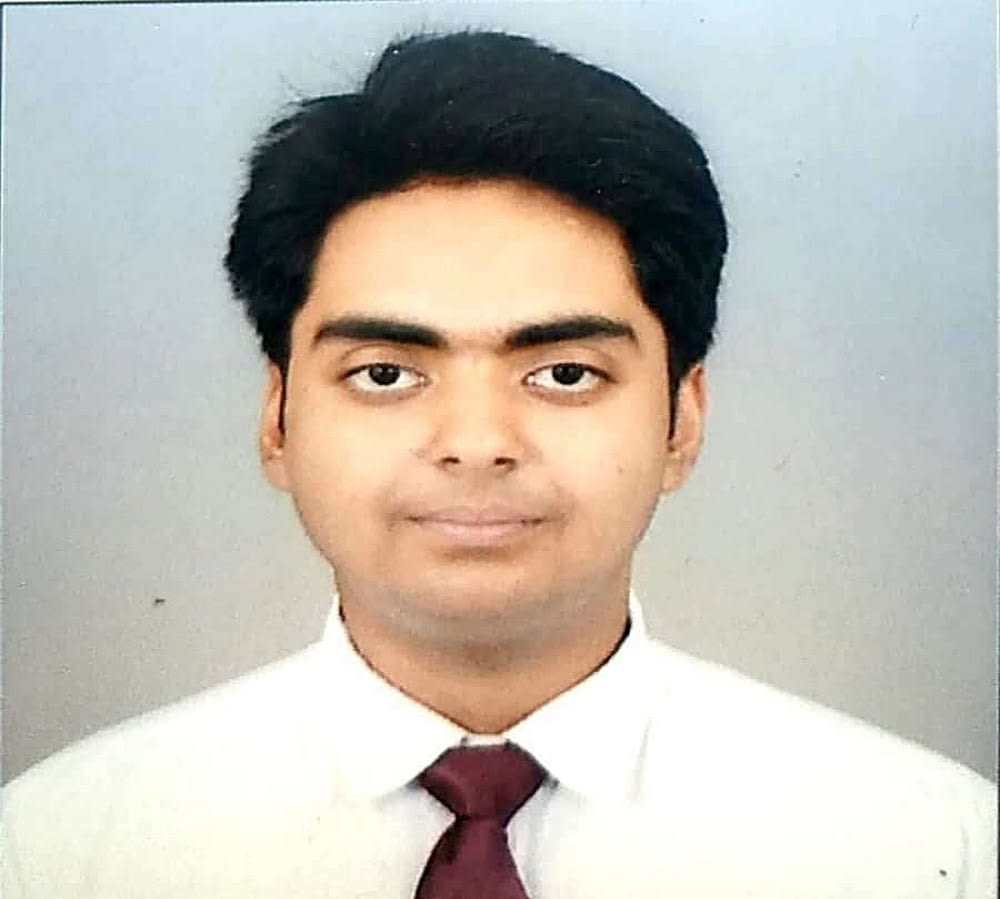
Kumar Kanishka Dey is a PGDM(GM) student at XLRI Jamshedpur.